


Plain carbon steel is strong. It is the workhorse of the industrial world. But what happens when "strong" is not strong enough? What do you do when you need a part to survive extreme stress, high temperatures, or massive impacts?
You cannot just use a thicker piece of plain steel. That would add too much weight and cost. The answer is not more steel. The answer is better steel.
This is the world of alloy steels. So, what is alloy steel? It is the result of taking ordinary steel and giving it superpowers. This guide will explain how.
content:
The Problem: The Limits of Plain Steel
The Answer: Steel with a Secret Recipe
The 'Superpowers': What Alloying Elements Do
Unlocking the Power: The Role of Heat Treatment
Why This Matters for Your Project
The Problem: The Limits of Plain Steel
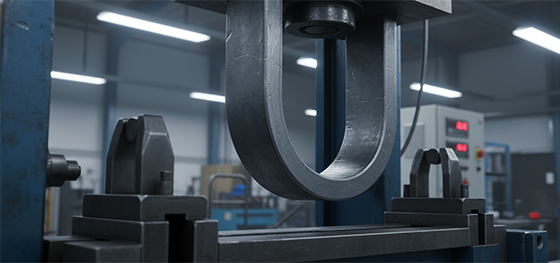
Plain carbon steel, like mild steel, is a simple mix of iron and a small amount of carbon. This makes it a fantastic, low-cost material for thousands of applications.
But it has a ceiling. There is a limit to its strength. There is a limit to its hardness. If you try to make it much harder, it can become brittle.
It does not perform well at high temperatures. It loses its strength when it gets too hot. It is also not naturally resistant to corrosion or wear.
For a simple bracket, this is fine. But for the landing gear of an airplane or the crankshaft in a high-performance engine, plain steel is simply not good enough.
The Answer: Steel with a Secret Recipe

So, what is alloy steel? It is steel with a secret recipe. It is plain steel that has had other specific elements intentionally added to it during its creation.
These "ingredients" are called alloying elements. They can be metals like chromium, nickel, manganese, molybdenum, and vanadium.
Even a tiny amount of one of these elements, sometimes less than 1%, can dramatically change the steel's personality. It alters the steel's microscopic crystal structure.
By carefully choosing and combining these elements, metallurgists can create a huge variety of alloy steels. Each one is a specialist. Each one is designed to have a specific "superpower" that plain steel does not. These are some of the most versatile Metallic materials available.
The 'Superpowers': What Alloying Elements Do

Each alloying element provides a different benefit.
Chromium is a popular ingredient. It significantly increases the steel's hardness, strength, and resistance to corrosion. Add enough of it, and you get stainless steel.
Manganese is another key element. It increases toughness. This means the steel can absorb more impact energy without fracturing.
Molybdenum and Vanadium are powerful allies. They help the steel maintain its strength at high temperatures. This is critical for engine components or high-speed cutting tools.
Nickel adds toughness and strength. It is a key ingredient in the ultra-strong alloy steels used for things like aircraft landing gear.
By creating a specific recipe, like 4140 chromoly steel (which contains chromium and molybdenum), engineers can get a material that is far stronger and tougher than plain steel, but still at a reasonable cost.
Unlocking the Power: The Role of Heat Treatment
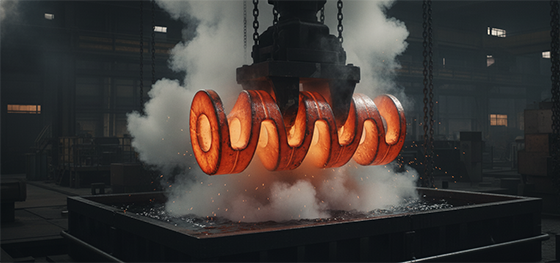
Adding the ingredients is only half the story. To unlock the full superpowers of an alloy steel, you must heat treat it.
Heat treatment is a carefully controlled process of heating and cooling the metal. A common process is called "quenching and tempering."
First, the steel part is heated to a very high temperature. This changes its internal crystal structure. Then, it is rapidly cooled, or "quenched," in water, oil, or air. This freezes the new structure in place, making the steel extremely hard but also brittle.
Finally, it is "tempered." This involves heating the part to a lower temperature for a specific time. This process reduces the brittleness while keeping most of the hardness.
This delicate balance of recipe and heat treatment is what creates the final, high-performance material.
Why This Matters for Your Project

Understanding "what is alloy steel" is critical for any engineer designing a high-performance part. It is not just "stronger steel." It is a family of highly specialized materials.
Choosing the right alloy and the right heat treatment is an expert decision. This is where a knowledgeable manufacturing partner makes a huge difference.
At JUCHENG, we understand these materials. We have the experience to machine these tough alloys. And we can advise you on which specific grade is the best fit for your performance targets and your budget. This partnership is key to successfully using these powerful materials.

