


Selecting the right fasteners is a critical yet often overlooked aspect of any metal fabrication, construction, or DIY project. The correct choice ensures structural integrity, longevity, and resistance to environmental factors. Conversely, the wrong screw can lead to premature failure, expensive repairs, and significant safety risks. A common question among professionals and enthusiasts is: are sheet metal screws stainless steel?
The answer is nuanced. Sheet metal screws are manufactured from a variety of materials, including carbon steel and aluminum. However, a significant and crucial category is indeed made from stainless steel, selected specifically for its superior corrosion resistance and durability.
content:
The Fundamentals of Stainless Steel
Exploring Types and Features
The Premium Standard: 316 Stainless Steel
Aesthetic Considerations and Sizing
The Fundamentals of Stainless Steel
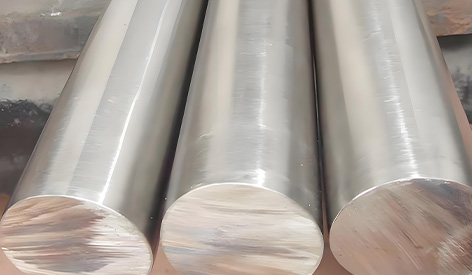
Stainless steel is not a single material but a family of iron-based alloys containing a minimum of 10.5% chromium. This chromium content is the key to its "stainless" property. It forms a passive, invisible layer of chromium oxide on the metal's surface. This layer is self-repairing; if scratched or damaged, it reforms in the presence of oxygen, providing continuous protection against rust and oxidation. This makes stainless steel sheet metal screws ideal for applications exposed to moisture, humidity, and chemicals.
Exploring Types and Features
The category of stainless fasteners is diverse, with specific types engineered for unique applications and performance needs. Stainless steel self tapping sheet metal screws are designed to cut their own threads into pre-drilled pilot holes in materials like sheet metal, plastic, or wood. Their sharp point and aggressive threading create a tight, secure grip, streamlining the assembly process.
For attaching metal to metal without pre-drilling, stainless steel self drilling sheet metal screws are the optimal solution. These fasteners feature a drill bit-like point that penetrates and drills its own hole directly through the material, combining three steps into one for maximum efficiency.
Head style selection is crucial for both function and aesthetics. Stainless steel flat head sheet metal screws are countersunk, allowing the head to sit flush with or below the material's surface. This provides a smooth, clean finish essential for safety and appearance. In contrast, stainless steel truss head sheet metal screws offer a low, large-diameter head with a rounded top. This design provides a larger bearing surface, distributing clamp load more effectively and preventing pull-through on softer materials.
The Premium Standard: 316 Stainless Steel
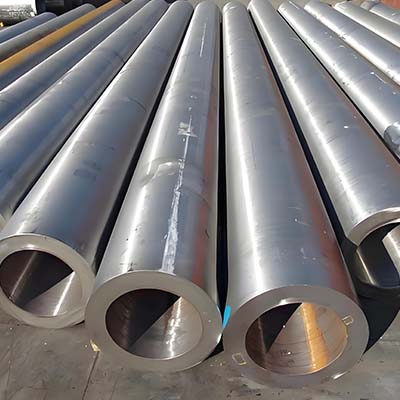
For highly corrosive environments, 316 stainless steel sheet metal screws represent the premium standard. Often called marine-grade stainless steel, 316 contains molybdenum, which dramatically enhances its resistance to pitting and crevice corrosion from chlorides like salt water. This makes it indispensable for marine applications, coastal construction, and areas using de-icing salts.
Aesthetic Considerations and Sizing
Beyond pure function, finishes can enhance a project's visual appeal. Black stainless steel sheet metal screws undergo a post-manufacturing process, such as an electroplated black oxide coating, to provide a specific aesthetic. It is important to note that while the underlying screw is corrosion-resistant, the coating itself may be susceptible to wear.
Understanding stainless steel sheet metal screw sizes is fundamental for a successful application. Sizing is typically denoted by three numbers: screw gauge (diameter), threads per inch (TPI), and length. Selecting the correct combination ensures the screw can handle the required tensile and shear loads without failure.
In summary, while not all sheet metal screws are stainless, a vast range of them are, offering a superior solution for durability and corrosion resistance. The key to success lies in selecting the right type—be it self-drilling, self-tapping, flat head, or truss head—and the correct grade, such as 316 for harsh environments. By understanding these options, you can ensure a strong, reliable, and long-lasting assembly for any project.

