


Reviewing incoming CAD files often reveals terrifying chemical ignorance from junior hardware designers. Specifying impossible surface treatments directly onto engineering blueprints guarantees massive factory delays and completely ruins procurement budgets. Clients constantly ask our veteran engineers will anodized steel rust when submitting their initial RFQ documents.

Answering this impossible question requires stripping away fundamental metallurgical misunderstandings before any raw metal gets cut on the machine. Anodizing specifically grows a controlled, highly porous oxide layer strictly on non-ferrous metals like aluminum or titanium. Ferrous metals containing iron fundamentally cannot undergo this specific electrochemical process without violently dissolving into the acid bath.
Procurement managers typing will anodized steel rust into search engines usually possess a deeper mechanical intent. Designers actually want the sleek, matte black cosmetic appearance of anodized aluminum, but they physically need the brutal kinetic strength of heavy steel. Navigating this contradictory engineering desire forces fabricators to deploy entirely different chemical conversion protocols.
Operating out of the aggressive Shenzhen precision manufacturing hub equips our quality control team to catch these fatal callout errors instantly. Bypassing impossible finishes saves venture-backed hardware startups from receiving massive boxes of heavily oxidized, completely useless parts. Executing the correct anti-corrosion alternative dictates your ultimate product survival rate in harsh marine or industrial environments.
content:
The Chemical Impossibility of Anodizing Iron
Exposing Black Oxide Chemical Realities
Deploying Sacrificial Zinc Coatings
JUCHENG Hub: Eradicating CAD Callout Errors
Frequently Asked Questions: Metal Oxidation
The Chemical Impossibility of Anodizing Iron
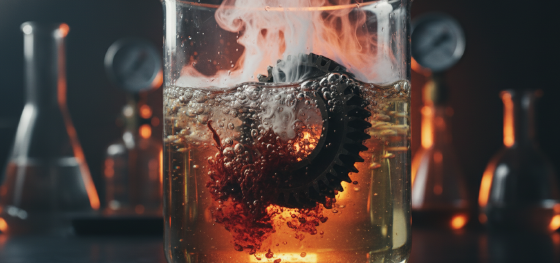
Can technicians actually perform an anodizing process on high-carbon steel alloys?
No. Dropping an iron-based alloy into a highly electrified sulfuric acid bath physically destroys the part, generating massive amounts of useless red rust instead of forming a durable protective barrier.
Understanding exactly why engineers ask will anodized steel rust exposes a massive gap in modern mechanical education. Aluminum naturally forms a hard, microscopic oxide layer when exposed to atmospheric oxygen. Industrial anodizing simply forces this natural chemical reaction to happen much deeper and faster, utilizing heavy electrical currents to build a permanent, scratch-resistant sapphire-like shield.
Iron behaves in the exact opposite thermodynamic manner. Oxidizing iron creates flaking, brittle red rust that constantly peels away from the base metal, exposing fresh steel to further atmospheric attack. You cannot mathematically build a solid protective structure out of a chemical compound that naturally turns into crumbling powder.
Hardware designers demanding dark cosmetic finishes on heavy load-bearing brackets must abandon aluminum-specific processes completely. Forcing a cheap supplier to execute an invalid drawing specification usually results in the vendor secretly switching the process to a cheap hot-dip blackening without telling you. This toxic lack of transparency destroys global supply chain integrity instantly.
Exposing Black Oxide Chemical Realities

What surface treatment physically mimics the dark cosmetic appearance of anodized aluminum on steel?
Deploying a hot black oxide chemical conversion bath produces a sleek matte black finish perfectly matching your aesthetic requirements. However, this microscopic magnetite layer offers practically zero standalone corrosion resistance.
Treating heavy steel gears in boiling caustic soda fundamentally changes the outer molecular surface. This creates a highly porous, deeply blackened finish that visually satisfies industrial designers. Unfortunately, throwing an untreated black oxide component into a humid factory environment guarantees severe red rust formation within forty-eight hours.
Securing actual atmospheric protection requires aggressively soaking the freshly blackened steel in heavy industrial oils or specialized sealing waxes. The porous magnetite layer physically acts like a rigid metallic sponge, holding the protective oil deep inside its microscopic structure. Wiping this oil away with harsh chemical solvents instantly removes the only barrier preventing catastrophic oxidation.
Medical device manufacturers and clean-room robotics engineers cannot utilize heavily oiled components in sterile environments. Specifying black oxide for surgical tools or semiconductor manufacturing equipment guarantees severe contamination failures on the assembly line. Upgrading to advanced vacuum deposition coatings or simply utilizing raw medical-grade stainless alloys becomes absolutely mandatory in these extreme scenarios.
| Steel Surface Treatment | Visual Appearance | Corrosion Resistance Level | Optimal Industrial Application |
|---|---|---|---|
| Black Oxide (Oiled) | Matte or glossy deep black | Very Low (Requires constant oiling) | Internal machine gears and hand tools |
| Zinc Electroplating | Bright silver or yellow iridescent | Moderate (Excellent sacrificial barrier) | Automotive chassis bolts and brackets |
| Electroless Nickel Plating | Flawless reflective silver | Extremely High | High-wear pneumatic fluid valves |
| Passivated Stainless Steel | Raw polished metallic finish | Absolute Maximum | Implantable medical devices and marine gear |
Deploying Sacrificial Zinc Coatings
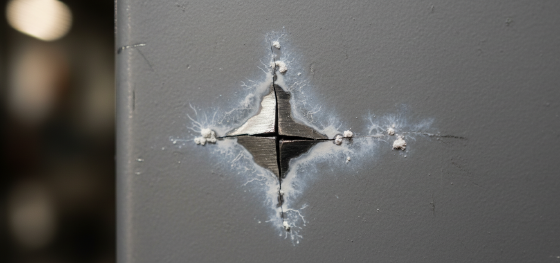
Will deep surface scratches immediately cause a plated steel component to rust?
Not if you utilize zinc. The protective zinc layer actively corrodes first, chemically sacrificing itself to protect the exposed raw iron beneath the deep scratch.
Mastering sacrificial zinc coatings entirely resolves the anti-corrosion nightmares haunting automotive procurement teams. Electroplating heavy iron suspension brackets with pure zinc creates an aggressive galvanic barrier. Atmospheric moisture violently attacks the zinc molecules instead of the structural steel, drastically extending the physical lifespan of the vehicle on heavily salted winter highways.
Combining different bare metals within the same mechanical assembly triggers terrifying electrochemical disasters. Bolting a raw aluminum heat sink directly to a raw steel chassis initiates extreme galvanic corrosion prevention failures. The dissimilar metals physically exchange electrons through ambient moisture, causing the aluminum to dissolve into a chalky white powder rapidly.
Preventing this invisible battery effect dictates heavily insulating the mating surfaces. Zinc-plating the steel bolts neutralizes the galvanic voltage gap, forcing the metals to play nicely together inside complex assemblies. Smart engineering teams calculate these precise metallurgical interactions perfectly before ordering ten thousand parts from the factory.
JUCHENG Hub: Eradicating CAD Callout Errors
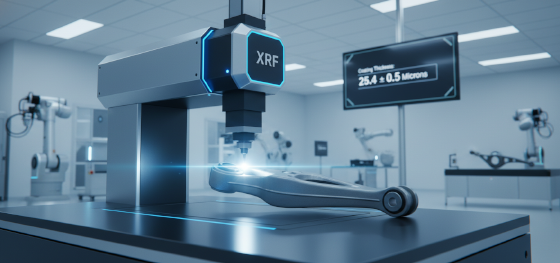
Why do basic surface treatment errors paralyze global supply chain timelines?
Inexperienced brokers blindly accept impossible CAD callouts, only realizing the fatal metallurgical error after the parts are completely machined and rejected by the plating facility.
Partnering with Jucheng Precision entirely eliminates this catastrophic administrative failure. Submitting a blueprint that asks will anodized steel rust triggers an immediate, aggressive Design for Manufacturability (DFM) audit from our senior metallurgy team. We physically rewrite your invalid finish callouts into legitimate, highly functional industrial processes.
Owning massive internal CNC machining capacities ensures we control the exact dimensional tolerances before and after chemical plating. Electroplating adds a physical microscopic thickness to the raw part. We mathematically compensate for this exact dimensional growth during the cutting phase, guaranteeing your precision bearings press-fit flawlessly into the coated housing.
Frequently Asked Questions: Metal Oxidation
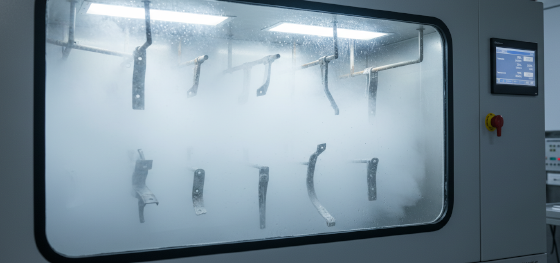
Does high-grade stainless steel remain entirely immune to red rust forever?
No. Stainless alloys rely on a microscopic chromium oxide layer for protection. Exposing the metal to highly abrasive chloride environments or starving it of oxygen physically breaks this fragile barrier, allowing severe pitting corrosion to destroy the part rapidly.
Can technicians safely weld metal components that have already been zinc-plated?
It is incredibly dangerous and highly discouraged. Burning through a galvanized zinc coating releases highly toxic zinc oxide fumes directly into the atmosphere. Operators must aggressively grind the protective plating completely off the designated weld zone before striking an electrical arc.
Why does powder coating sometimes flake off metal parts in massive chunks?
Applying premium powder coats over poorly prepared, oxidized raw steel guarantees adhesion failure. Precision facilities rigorously sandblast and chemically etch the metal surfaces to create a highly abrasive microscopic profile, ensuring the baked powder locks permanently onto the base substrate.

