


In the ever-evolving manufacturing landscape, injection molding remains a cornerstone for producing high-volume, precision components across industries such as automotive, medical, and consumer electronics. This process involves injecting molten material into a mold to form complex shapes, but modern advancements have expanded its capabilities significantly. As demand for efficiency, sustainability, and customization grows, manufacturers are adopting innovative approaches to stay competitive. This article explores key aspects of injection molding, including advanced techniques, material-specific processes, and practical guidelines to optimize outcomes. By delving into topics like micro injection molding and common defects, we aim to provide a comprehensive overview that aligns with industry standards and fosters informed decision-making. Whether you're a seasoned engineer or a newcomer, understanding these elements can enhance productivity and product quality.
content:
Cool New Ways to Make Stuff
Sticking Things Inside Plastic
Making Super Tiny Plastic Parts
Two Ways to Mold: A Simple Showdown
Making Things Out of Rubber
How to Be a Plastic-Molding Expert
When Things Go Wrong: Common Problems
Cool New Ways to Make Stuff
"Advanced molding techniques" is just a fancy way of saying "cool new ways to make stuff." These new methods help us make things better, faster, and with less waste. Think about it like an upgrade to your favorite video game—the goal is the same, but the new version has better graphics and smoother controls.
For example, one technique uses a little bit of air (like a balloon) inside the plastic to create hollow parts. This makes the final product lighter and uses less plastic. Another awesome machine can even make a single object out of two different colors or types of plastic all at once! These smart machines can also tell us when they need a repair, which helps prevent them from breaking unexpectedly.

Sticking Things Inside Plastic
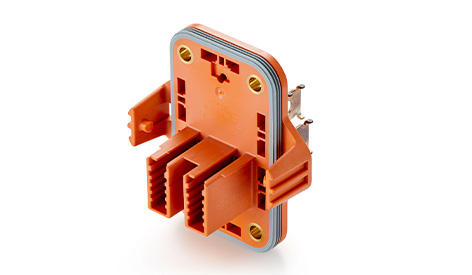
Have you ever seen a screw stuck right inside a plastic knob? Or a metal piece sealed inside a plastic handle? This is done using "insert molding services." It’s a clever way of putting two different parts together in one single step.
Here’s how it works: First, a worker places a metal or electronic part inside the empty mold. Then, the machine injects the melted plastic all around it. When the plastic hardens, the two pieces are locked together perfectly. This is a much stronger and faster way to build things than gluing or screwing parts together later. It’s how many tools and electronic gadgets are made so well.
Making Super Tiny Plastic Parts
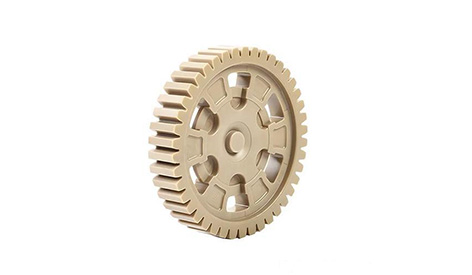
Some of the things we need to make are incredibly tiny—smaller than a grain of rice! This is where "micro injection molding" comes in. It's used to make tiny parts for things like inside your smartphone, tiny gears for watches, or even small parts for medical devices that go inside the human body.
Making such small things is very tricky. The machines have to be extremely precise. If the plastic is too hot or too cold, or if it doesn't fill the tiny mold completely, the part can be ruined. It's like trying to fill a tiny toy ice cube tray with water without spilling a drop. But when it's done right, we can create amazing, microscopic pieces of technology.
Two Ways to Mold: A Simple Showdown
Sometimes people get confused between "compression molding" and "injection molding." Let's clear that up!
Think of compression molding like making a waffle. You pour the batter (the material) into a hot waffle iron (the mold) and then press the top down. The batter spreads out and takes the shape of the waffle. This method is great for bigger, stronger things, like some car tires or body panels.
Now, think of injection molding like using that glue gun we talked about. You melt the plastic inside the machine and then shoot it with force into a closed mold. This is better for making very detailed and complicated shapes, like Lego bricks or model car parts.
So, the big difference is how the material gets into the mold: one is pressed, and the other is injected.
Making Things Out of Rubber
"Rubber injection molding" is how we make bendy, squishy things like rubber seals, gaskets, and O-rings. You find these parts in everything from your family car to the kitchen sink faucet to prevent leaks.
The process is similar to plastic injection molding, but instead of plastic, we use special rubber materials. The rubber is heated up until it's soft and then injected into a mold. The real magic happens when the hot mold "cures" the rubber, a process that makes it strong, flexible, and durable, just like vulcanizing a basketball.
How to Be a Plastic-Molding Expert
To make great plastic parts every single time, factories follow "plastic molding best practices." These are just the smart rules and good habits that help them do a good job.
It starts with picking the right type of plastic for the job. Is the part going to be outside in the sun? Does it need to be flexible? Then, the mold must be designed perfectly, with smooth, slanted sides so the hard plastic can pop out easily. The machine operators have to be like scientists, carefully watching the temperature and speed. And just like you take care of your bike, they have to regularly clean and maintain their machines so they don't break down.
When Things Go Wrong: Common Problems
Sometimes, things don't go perfectly in the factory, and we get "injection molding defects." These are just mistakes or problems with the finished plastic part. Let's look at a few common ones:
Warping: This is when a flat plastic part comes out bent or twisted, like a warped record. This often happens if the plastic cools down too unevenly.
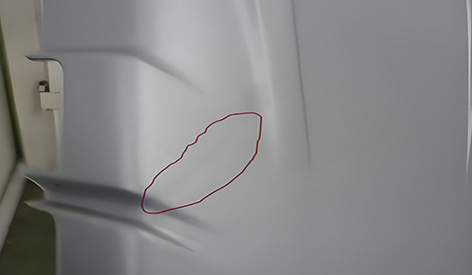
Sink Marks: These are little dents or dimples on the surface. They can happen if a part of the plastic is too thick and it shrinks too much as it cools.
Flash: This is when you see a thin, extra lip of plastic around the edge of the part, like a muffin that overflowed its cup. It means a tiny bit of plastic sneaked out of the mold.
The good news is that experienced factory workers know how to fix these problems! They can adjust the temperature, change how fast the plastic is injected, or fix the mold to make sure the next part comes out perfect.
In summary, the injection molding industry continues to evolve through advancements in technology and methodology. From advanced molding techniques that boost precision to insert molding services that streamline production, each approach offers unique benefits tailored to modern demands. Comparing compression molding vs injection molding highlights the importance of method selection, while specialized processes like micro injection molding and rubber injection molding address niche applications. Adhering to plastic molding best practices and proactively managing injection molding defects further ensures sustainable, high-quality outcomes.

