


Plastic injection molding is a cornerstone of modern manufacturing, enabling the mass production of intricate parts with high precision and efficiency. From automotive components to consumer electronics, this process supports a wide array of industries by transforming raw polymer materials into functional products. However, achieving optimal results requires a deep understanding of various factors, including material behavior, machine settings, and design principles. In this article, we delve into critical aspects such as plastic molding best practices, mold design considerations, common defects, and part design guidelines. By integrating these elements, manufacturers can enhance product quality, reduce waste, and boost productivity. Whether you're an engineer, designer, or production manager, this guide offers actionable insights to refine your injection molding workflows and avoid costly errors.
content:
Plastic Molding Best Practices
Mould Design & Plastic Injection Mold Design
Specific Molding Defect Types & Injection Molding Defects
Plastic Part Design Guide & Plastic Part Design for Injection Molding
Plastic Molding Best Practices
Imagine you're following a recipe to bake the perfect cookies. You need the right ingredients, the right temperature, and the right baking time. Plastic molding is similar! To get great results every time, factories follow best practices.
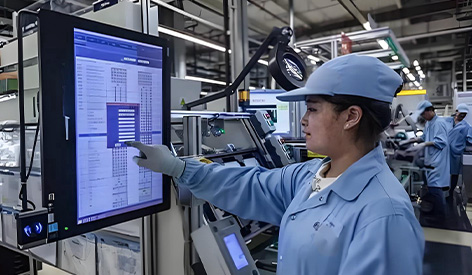
First, they make sure the plastic is dry. Wet plastic can cause bubbles and streaks, just like steam can make your cookies soggy. Then, they carefully control how fast the plastic is injected, how much pressure is used, and how hot it is. They also keep a close eye on the clock. If the process is too fast, the part might not form completely. If it's too slow, the plastic can burn. Finally, they clean and check their machines often to keep everything running smoothly. By following these simple rules, they can make lots of identical, high-quality parts.
Mould Design & Plastic Injection Mold Design
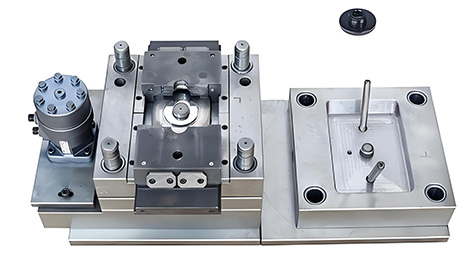
The mold is like the metal cookie cutter that gives the plastic its shape. Mold design is super important. A good mold design helps make the process fast and the parts perfect.
Think of the mold like a maze for melted plastic. It has tiny tunnels called "runners" that the plastic flows through. It also has a "gate," which is the small opening where the plastic enters the main shape. The mold needs to cool down the hot plastic quickly, so it has special channels inside where cold water flows. It also has little air vents, like tiny windows, to let air bubbles escape. If the part has a tricky shape, the mold might have moving parts, like slides, to help pop the part out. Designing a mold is like building a complex Lego set—every piece has to fit together perfectly!

Specific Molding Defect Types & Injection Molding Defects
Sometimes, things don't go as planned, and the plastic part comes out with problems. These are called defects. Let's look at some common molding defect types.
Short Shot: This is when not enough plastic gets into the mold, so the part is missing a piece. It's like not pouring enough pancake batter into the pan.
Sink Marks: These are small dents or dimples on a thick part of the plastic. It happens when the inside cools slower than the outside, kind of like how a cake can sink in the middle if it's not baked right.
Warping: This is when a flat plastic part comes out bent or twisted. This often happens if the part cools down unevenly.
Flash: This is when a little bit of extra plastic squishes out of the edges of the mold, making a thin, flaky edge. It's like when too much batter oozes out of a waffle iron.
Burn Marks: You might see black or brown spots on the plastic. This is usually caused by trapped air getting so hot that it burns the plastic.
By knowing about these injection molding defects, the people running the machines can fix the problem. They might change the temperature, add more pressure, or clean the mold.

Plastic Part Design Guide & Plastic Part Design for Injection Molding
Before we even make the mold, we have to design the plastic part itself. Following a plastic part design guide helps make sure the part is easy to create and works well.
Here are some simple rules for plastic part design for injection molding:
Keep Walls Even: Try to make the thickness of the plastic the same everywhere. If one part is thick and another is thin, it can cause sink marks or warping.
Use Draft Angles: Make the sides of the part slightly slanted, not straight up and down. This makes it much easier to pop the part out of the mold, just like how a slanted cup is easier to remove from a sandcastle mold than a straight-sided one.
Smooth Corners: Always use rounded corners instead of sharp ones. Round corners are stronger and let the plastic flow better.
Plan the Entrance: Remember the "gate" where plastic enters? Designers have to think carefully about where to put it so it doesn't leave an ugly mark on the front of a toy's face.
By designing the part correctly from the beginning, we can avoid many problems later on.
In conclusion, mastering plastic injection molding involves a multifaceted understanding of best practices, design principles, and defect management. By prioritizing areas like plastic molding best practices, mould design, and plastic part design for injection molding,only in this way can the problem of specific molding defect types be better avoided, manufacturers can achieve higher quality outputs and operational efficiency. As the industry evolves, staying informed about emerging trends and technologies will be key to maintaining a competitive edge.

