


Aluminium investment casting, often referred to as lost-wax casting, is a sophisticated manufacturing process renowned for its ability to produce complex, high-precision metal parts with excellent surface finish and dimensional accuracy. This millennia-old technique has been refined with modern technology to become a cornerstone of industries ranging from aerospace and automotive to medical and defense. Its primary advantage lies in the replication of intricate details that would be challenging or impossible to achieve with other metal-forming methods like machining or forging.
content:
How Does the Aluminium Investment Casting Process Work?
Aluminium vs. Steel: Which is Better?
What are Aluminium Alloys?
Where are These Parts Made?
Casting vs. Forming Metal: What’s the Difference?
Why is it So Precise?
Can it Make Tiny Details?
How Does the Aluminium Investment Casting Process Work?
The aluminium investment casting process is like a fun, multi-step science project. Here’s how it works:
Make a Wax Pattern: First, a copy of the object is made out of wax. It looks exactly like the final metal part should look.
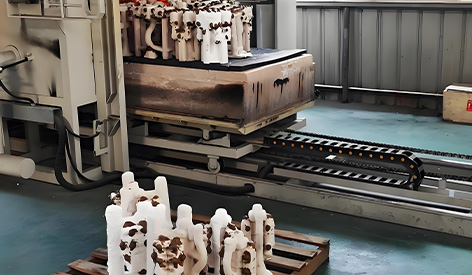
Build a Ceramic Shell: The wax copy is dipped into a ceramic mixture (like liquid chalk) and then covered with sand. This is done many times until a thick, hard shell forms around the wax.
Melt the Wax Out: The whole thing is heated up in an oven. The wax inside melts and pours out, leaving a hollow ceramic shell that is a perfect copy of the original shape.
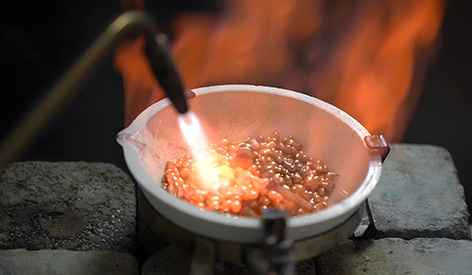
Pour the Metal! Now, super-hot, liquid aluminium is poured into the hollow shell.
Break the Mold: After the metal cools down and becomes solid, the ceramic shell is broken away with tools. What’s left is a solid metal object that looks just like the original wax copy!
Finishing Touches: Finally, the part is cleaned up, smoothed out, and made perfect.
Aluminium vs. Steel: Which is Better?
Why would you choose aluminium instead of steel? It depends on what you need!
Aluminium is like a strong but light superhero. It’s perfect for making things that need to be strong but not heavy, like parts of an airplane.
Steel is like a super-heavyweight champion. It’s much heavier and stronger, used for things like big tools that need to be really tough.
The cool thing is, the investment casting process can be used for both metals!
What are Aluminium Alloys?
Pure aluminium is a bit soft. So, to make it stronger for things like car parts, other metals are mixed with it to create aluminium alloy. It’s like making a superhero team! By mixing in other metals, you can make the aluminium stronger, more flexible, or better at handling heat.
Where are These Parts Made?
Aluminium investment casting foundries are the special factories where this amazing process happens. They have all the big ovens, tools, and safety equipment needed to melt metal and make these complex parts. These factories work with engineers to make sure every part is made perfectly.
Casting vs. Forming Metal: What’s the Difference?
There’s another way to make things out of metal called “wrought,” which means bending and shaping solid metal bars. So, what’s the difference between wrought aluminum vs aluminium investment casting?
Think of it like this:
Wrought aluminium is like building with LEGO bricks. You start with blocks and put them together.
Investment casting is like using playdough and a mold to make one solid, detailed shape.
Casting lets you make much more complicated shapes in one piece, without having to join lots of smaller parts together.
Why is it So Precise?
Precision investment casting aluminium is famous for being extremely accurate. It can make parts that need to fit together perfectly with other parts, like pieces of a puzzle. This is super important for things like medical devices or tiny engine pieces, where being even a millimeter off is a big problem.
Can it Make Tiny Details?
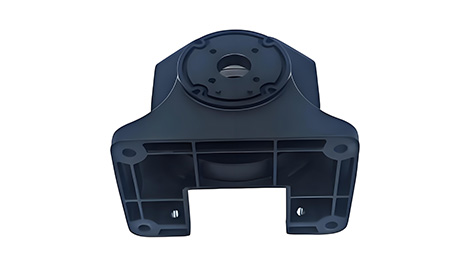
Fine detail aluminium investment casting is amazing at capturing incredibly small details. It can make things with super thin walls, tiny words, or complex shapes that would be impossible to make with other methods. It’s like the metal version of making a super detailed ice cube or chocolate.
In conclusion, aluminium investment casting is a versatile and vital manufacturing process that delivers complex, lightweight, and strong components across critical industries. Its ability to produce precise parts with excellent surface quality and fine details makes it an invaluable technology for engineers and designers seeking performance and reliability.

