


Wrought aluminum represents a fundamental category of aluminum products that are shaped through mechanical deformation processes after the initial casting of ingots or billets. Unlike cast aluminum, which is formed by pouring molten metal into a mold, wrought aluminum undergoes subsequent working, such as rolling, extruding, forging, or drawing. This mechanical processing aligns the metal's grain structure, resulting in superior strength, toughness, and ductility compared to its cast counterparts. Common wrought aluminum products include sheet, plate, foil, rods, bars, tubes, and structural extrusions, which are ubiquitous in industries ranging from aerospace and automotive to construction and consumer goods due to their excellent strength-to-weight ratio, corrosion resistance, and formability.
content:
Cast Aluminum vs. Wrought Aluminum
Wrought Aluminum vs. Wrought Iron: What’s the Difference?
What Is Hand Wrought Aluminum?
What Is Sand Casting Aluminum?
Cast Aluminum and Wrought Iron: A Simple Comparison
What Are Wrought Aluminum Alloys?
What Are Wrought Aluminum Products?
Wrought Aluminum vs. Aluminium Investment Casting
Imagine aluminum as a kind of metal that can be shaped in different ways. “Wrought” is an old word that means “worked by hand,” but today it mostly means the metal was bent, squeezed, or stretched by machines after it was first made. Think of it like playdough. First, you get a big lump of playdough—that’s like the first step of making aluminum. Then, you roll it, press it, or twist it into a new shape. That’s what “wrought” means! This process makes the aluminum stronger and more flexible. Things like aluminum foil, soda cans, window frames, and baseball bats are often made from wrought aluminum.
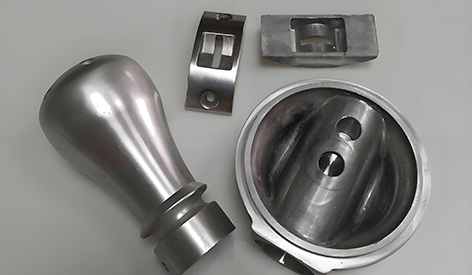
Cast Aluminum vs. Wrought Aluminum
There are two main ways to shape aluminum: casting and working.
Cast aluminum is made by melting aluminum and pouring it into a mold, like how you make an ice cube or a chocolate bunny. It cools down and takes the shape of the mold. This is good for making detailed shapes, but it can be a little brittle (meaning it can break more easily).
Wrought aluminum starts as a solid block that gets pushed, pulled, or rolled into its final shape. This makes it stronger and less likely to break when you bend it. So, if you need something really strong, like part of an airplane or a car, wrought aluminum is usually the better choice.
Wrought Aluminum vs. Wrought Iron: What’s the Difference?
You might have heard of “wrought iron.” That’s the fancy, curly metal used in old-fashioned gates and fences. A long time ago, blacksmiths would heat and hammer iron by hand to shape it—that’s why it’s called “wrought” iron.
Today, we can make “wrought aluminum” in a similar way—by shaping it with tools—but aluminum is very different from iron. Iron is heavy and can rust (get that flaky, orange rust). Aluminum is light and doesn’t rust at all! So, a “hand wrought aluminum” gate will look classic but be much lighter and never rust.
What Is Hand Wrought Aluminum?
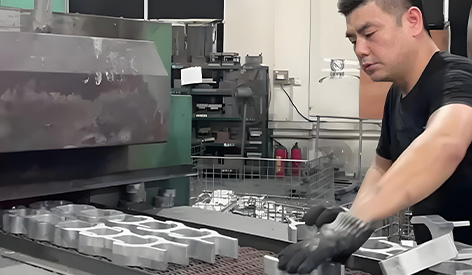
“Hand wrought aluminum” means a person (an artist or craftsperson) shapes the aluminum by hand using tools like hammers. They might make something beautiful like a decorative gate, a piece of art, or even a fancy tray. A hand wrought aluminum tray is made by carefully hammering a sheet of aluminum into shape. It’s strong, light, and won’t rust, which makes it really useful.
What Is Sand Casting aluminum?
Sand casting aluminum means using a mold made of special sand to shape aluminum parts. Think of it like using a sandbox to make a footprint, but instead of a foot, you use a pattern (like a model) of the object you want. Aluminum is great for this because it melts easily and flows into all the tiny spaces in the mold, so you can make cool shapes with lots of details.
Cast Aluminum and Wrought Iron: A Simple Comparison
Let’s compare two old friends: cast aluminum and wrought iron.
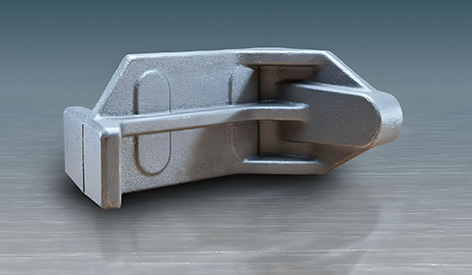
Cast Aluminum: Lightweight, doesn’t rust, and can be molded into intricate shapes. But it can be brittle.
Wrought Iron: Very heavy, has a classic, rustic look, but can rust if not painted and cared for regularly.
Wrought aluminum is like the modern best-of-both-worlds option. It can be shaped into complex forms (like cast metal) but is much stronger and won’t rust (unlike iron).
What Are Wrought Aluminum Alloys?
An “alloy” is a mix of metals. Pure aluminum is soft, so we mix it with other metals to make it stronger. These mixes are called aluminum wrought alloys. They have special numbers, like the 6000-series, which is a common mix used for things like bike frames and ladders because it’s strong and doesn’t rust.
What Are Wrought Aluminum Products?
Wrought aluminum products are all around you! They are made by working solid aluminum into new shapes. Here’s how:
Rolling: Squashing aluminum into thin sheets to make foil or car parts.
Extrusion: Pushing hot aluminum through a shaped hole (like playdough through a toy press) to make long pieces like window frames or pipes.
Forging: Squashing aluminum between two dies (like a powerful stamp) to make super-strong parts for cars or airplanes.
Drawing: Pulling aluminum into wires or thin rods.
Wrought Aluminum vs. Aluminium Investment Casting
So, when would you choose one over the other?
Pick wrought aluminum if you need something really strong and reliable, like a part that will be under stress or bent often.
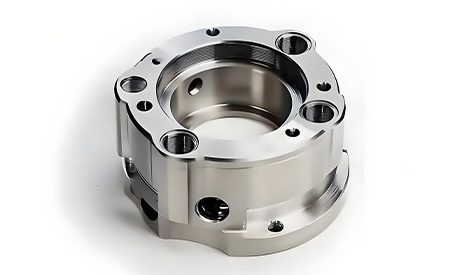
Pick aluminium investment casting if you need a very detailed, complex shape that would be too hard or expensive to carve out of a solid block of metal.
It’s all about choosing the right tool for the job!
In conclusion, while the concept of pressure die casting is a efficient high-volume production method for cast parts, wrought aluminum remains the cornerstone for high-performance, reliable structural applications across global industries. Its versatility, achieved through various alloying and mechanical working techniques, ensures its continued dominance as a critical engineering material.

