


Have you ever wondered why wires are made of copper? Or why the Statue of Liberty is green? It all comes down to a fantastic metal called copper! Copper is one of the oldest metals known to humans, and it's still super important today. It's kind of like a superhero of metals because it has so many special powers.
It's an excellent conductor of electricity and heat, which means it lets energy flow through it very easily. It's also very flexible and doesn't rust like iron. Instead, it creates a beautiful green protective layer. Best of all, copper can be recycled over and over again without losing its superpowers! Let's explore the many cool ways we use copper in our world.
Introduction to Copper's Significance
Application of Copper Processing
Application of Copper Alloys
Application of Copper Oxide
Copper Corrode: Understanding Corrosion Behavior
Industrial Applications of Copper
Application and Uses of Copper
Copper Machining
Application of Copper Plating
Copper Classification
Introduction to Copper's Significance
Copper has been utilized for thousands of years, with evidence dating back to 8000 BCE. Today, it is a critical material in infrastructure, technology, and sustainable energy solutions. Its high ductility allows it to be shaped into wires and sheets, while its antimicrobial properties find use in healthcare settings. The metal's recyclability further enhances its appeal in circular economies. As we dive into specific applications, it becomes clear that copper's role is not just historical but pivotal in advancing modern society. This article will provide a technical overview, highlighting key areas where copper shines.
Application of Copper Processing
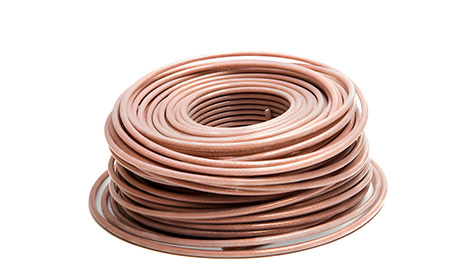
Copper processing involves several stages, from mining to refining, each with distinct applications. Initially, copper ore is extracted through open-pit or underground mining. The ore is then crushed and subjected to froth flotation to concentrate the copper content. Smelting follows, where the concentrate is heated to produce matte, which is further refined to blister copper. Electrorefining purifies it to 99.99% pure copper, suitable for high-end uses. This processed copper is essential for electrical wiring, as purity directly impacts conductivity. In recent years, advancements in hydrometallurgical processing have reduced environmental impacts, enabling applications in green technologies like electric vehicles and renewable energy systems. Efficient processing ensures a steady supply for global demands, underscoring its importance in industrial chains.
Application of Copper Alloys
Copper alloys, such as brass and bronze , expand copper's utility by enhancing strength, corrosion resistance, and machinability. Brass is widely used in plumbing fixtures, musical instruments, and decorative hardware due to its gold-like appearance and antimicrobial properties. Bronze, known for its durability, finds applications in bearings, marine hardware, and sculptures. Other alloys, like cupronickel , are critical in coinage and heat exchangers for their resistance to seawater corrosion. In aerospace, beryllium copper alloys provide high strength and non-sparking qualities, ideal for safety tools. These alloys demonstrate how blending copper with other elements tailors properties for niche applications, from everyday items to high-performance engineering.
Application of Copper Oxide
Copper oxide, primarily in forms like cuprous oxide and cupric oxide , has specialized applications driven by its semiconductor and catalytic properties. In electronics, it is used in photovoltaic cells to enhance solar energy conversion efficiency. As a pigment, it provides blue and green hues in ceramics and glassware. Copper oxide also serves as a catalyst in chemical reactions, such as in the production of methanol or in pollution control systems to break down harmful gases. In agriculture, it acts as a fungicide in pesticides, protecting crops from diseases. Recent research explores its potential in battery technologies and superconductors, highlighting its role in emerging fields. This compound's versatility stems from its stability and reactivity, making it valuable across industries.
Copper Corrode: Understanding Corrosion Behavior
Copper corrode refers to the metal's tendency to undergo oxidation when exposed to elements like moisture and air, forming a protective patina. This patina, typically greenish, consists of copper carbonate and sulfate, which actually shields the underlying metal from further degradation. In architectural applications, such as roofs and statues, this corrosion is desirable for aesthetic and protective reasons. However, in electrical systems, corrosion can impair conductivity, necessitating coatings or alloys. Factors like pH levels and pollutants accelerate corrosion; for instance, in marine environments, copper-nickel alloys are preferred for their resistance. Understanding corrosion mechanisms helps in designing durable products, such as plumbing systems that last decades. Mitigation strategies include galvanization or using inhibitors, ensuring longevity in harsh conditions.

Industrial Applications of Copper
Industrial applications of copper span sectors like construction, energy, and transportation. In construction, copper is used for roofing, plumbing, and electrical systems due to its durability and conductivity. The energy sector relies on copper for power generation, transmission, and distribution; wind turbines and solar panels incorporate large amounts of copper wiring. In transportation, electric vehicles (EVs) use copper in motors, batteries, and charging infrastructure, with an average EV containing over 80 kilograms of the metal. Additionally, industrial machinery depends on copper for heat exchangers and motors. The metal's role in automation and Industry 4.0 is growing, with copper components in robotics and IoT devices. These applications underscore copper's backbone status in global industrialization.
Application and Uses of Copper
The general application and uses of copper are vast, touching everyday life and specialized fields. Electrically, it is the preferred material for wiring in homes, appliances, and data centers, accounting for over 60% of its consumption. Thermally, copper's heat exchange properties make it ideal for radiators, air conditioners, and cookware. In healthcare, copper's antimicrobial surfaces reduce infections in hospitals, and it is used in medical devices like MRI machines. Consumer goods, from jewelry to coins, leverage its aesthetic appeal. Environmentally, copper is key to water purification systems and renewable energy. Its use in art and architecture highlights cultural significance. This breadth of uses stems from a balance of performance, cost-effectiveness, and sustainability, making copper a ubiquitous material.

Copper Machining
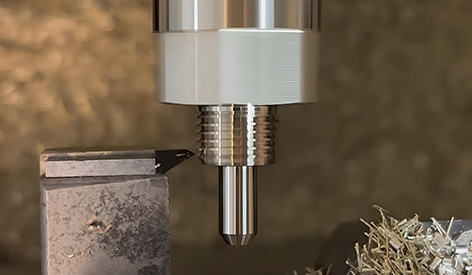
Copper machining involves shaping the metal through processes like turning, milling, and drilling to create precise components. Due to copper's softness and high thermal conductivity, machining requires careful tool selection to avoid galling or excessive wear. Techniques such as high-speed machining with carbide tools are common, often using coolants to manage heat. Applications include electrical connectors, semiconductor parts, and custom fabrications for electronics. In the automotive industry, machined copper parts are vital for fuel injectors and braking systems. Advances in CNC machining allow for intricate designs, supporting innovations in miniaturized devices. Proper machining ensures dimensional accuracy and surface quality, critical for high-performance applications where reliability is paramount.
Application of Copper Plating
Copper plating, an electrochemical process, deposits a thin layer of copper onto substrates like metals or plastics for functional and decorative purposes. In electronics, it provides conductive pathways on circuit boards and shields against electromagnetic interference. Decorative plating enhances the appearance of items like jewelry and hardware with a durable, lustrous finish. Industrially, copper plating improves wear resistance and solderability in components. It also serves as an undercoat for other platings, such as nickel or chrome, ensuring adhesion. Recent trends include eco-friendly plating methods using non-cyanide solutions, reducing environmental impact. This application is crucial for extending product life and performance, from consumer gadgets to aerospace components.
Copper Classification
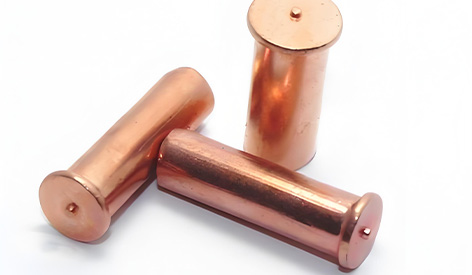
Copper classification categorizes the metal based on purity, alloy composition, and form. Commercially pure copper, like C10100, has 99.99% copper and is used in electrical applications. Alloys are classified into series, such as brasses or bronzes , each with specific properties. Forms include wrought products and cast products . Classification systems, like the Unified Numbering System (UNS), help standardize specifications for industries. This organization aids in material selection, ensuring the right type for a given application, whether it's high-conductivity wire or corrosion-resistant marine alloy. Understanding classification streamlines supply chains and supports quality control in manufacturing.
From ancient times to the future of technology, copper is a truly amazing metal. Its ability to conduct electricity and heat, its strength when mixed into alloys, and its long-lasting nature make it impossible to replace. As we invent new things like more electric cars and advanced robots, copper will be there to help power them.

