


Copper is one of the most versatile and widely used metals in the world, playing a critical role in various industries due to its unique combination of properties. From electrical wiring to plumbing systems, copper's reliability and performance make it a material of choice for engineers and designers. As global demand for sustainable materials grows, copper continues to stand out for its recyclability and long service life. Let's explore the technical details that make copper an indispensable resource.
Copper Material Properties
Classification of Copper
Mechanical Strength of Copper
Corrosion Resistance of Copper
Applications and Processing of Copper
Copper Material Properties
Copper material properties encompass a range of physical, chemical, and electrical characteristics that define its usability. Copper is renowned for its excellent electrical conductivity, which is second only to silver, making it ideal for electrical applications like wiring and motors. It also boasts high thermal conductivity, allowing efficient heat transfer in heat exchangers and cooling systems. Additionally, copper is highly ductile and malleable, meaning it can be easily shaped into wires, sheets, or complex components without fracturing. Its distinctive reddish-brown color and natural luster contribute to its use in decorative applications. Copper is also non-magnetic and has antimicrobial properties, which are beneficial in healthcare settings. These properties stem from its atomic structure, featuring a face-centered cubic lattice that facilitates electron movement. However, pure copper is relatively soft, which can limit its mechanical applications unless alloyed. Understanding these fundamental traits helps in optimizing copper's use across sectors, from electronics to architecture.
Classification of Copper
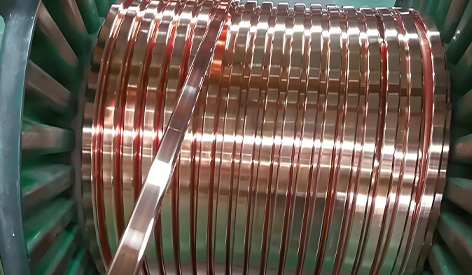
The copper classification system categorizes copper materials based on purity, alloying elements, and processing methods, which influence their performance. Pure copper, often referred to as electrolytic tough pitch (ETP) copper, contains at least 99.9% copper and is commonly used in electrical conductors due to its minimal impedance. Alloyed coppers, such as brasses (copper-zinc) and bronzes (copper-tin), are grouped into wrought or cast forms, each tailored for specific mechanical or corrosion-resistant needs. For instance, brass offers improved machinability, while bronze provides enhanced strength and wear resistance. Copper is also classified by temper designations, like annealed or hard-drawn, which indicate its hardness and ductility after processing. Standards organizations, such as ASTM International, define grades like C11000 for ETP copper or C26000 for cartridge brass, ensuring consistency in industrial applications. This classification helps engineers select the appropriate type based on factors like conductivity, strength, and environmental exposure, ensuring optimal performance in everything from plumbing fittings to musical instruments.
Mechanical Strength of Copper
When evaluating the mechanical strength of copper, key metrics include the copper ultimate strength, ultimate tensile strength of copper, yield stress of copper, copper yield strength, and copper tensile strength. The ultimate tensile strength (UTS) refers to the maximum stress copper can withstand while being stretched or pulled before breaking. For pure annealed copper, the UTS typically ranges from 210 to 250 MPa, while cold-worked versions can reach up to 400 MPa due to strain hardening. The yield stress of copper, or yield strength, indicates the stress at which plastic deformation begins, usually around 33 MPa for soft copper and up to 300 MPa for hardened alloys. This property is critical in design applications where permanent deformation must be avoided, such as in structural components or springs. Copper's tensile strength is influenced by factors like purity, temperature, and processing; for example, alloying with elements like beryllium can significantly enhance strength without sacrificing conductivity. These strength parameters ensure that copper components maintain integrity under load, making them suitable for high-stress environments like automotive radiators or industrial machinery.
Corrosion Resistance of Copper
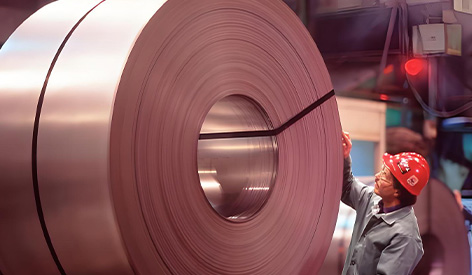
A common question is, does copper corrode? While copper is susceptible to corrosion under certain conditions, it generally exhibits excellent resistance due to the formation of a protective patina layer. When exposed to moisture and air, copper develops a greenish layer of copper carbonate or sulfate, which acts as a barrier against further degradation. This makes it ideal for outdoor applications like roofing and statues, where it can last for decades. However, in aggressive environments, such as those with high acidity or sulfur compounds, copper may experience accelerated corrosion, leading to issues like pitting or stress corrosion cracking. Factors like pH, temperature, and presence of chlorides play a role; for instance, in marine settings, copper alloys like cupronickel are preferred for their superior resistance. Regular maintenance and protective coatings can mitigate corrosion risks. Understanding these dynamics is vital for applications in plumbing, where copper pipes are valued for their longevity but must be installed correctly to avoid galvanic corrosion with other metals.
Applications and Processing of Copper
The Application of copper processing spans a wide array of industries, leveraging techniques like casting, extrusion, and forging to create functional products. In electrical engineering, copper is processed into wires and cables through drawing and annealing, ensuring high conductivity for power transmission. In construction, copper sheets are rolled and formed into roofing, gutters, and plumbing tubes, benefiting from its durability and aesthetic appeal. The automotive sector uses copper in radiators and brake lines, where its thermal properties enhance efficiency. Processing methods vary: hot rolling produces thick plates for industrial use, while cold working increases strength for springs and connectors. Recycling is a key aspect, as copper can be melted and reprocessed without quality loss, supporting circular economy goals. Advanced techniques, such as powder metallurgy, enable the production of complex parts with minimal waste. These applications highlight copper's adaptability, driven by ongoing innovations in processing that meet demands for sustainability and performance in sectors like renewable energy and electronics.
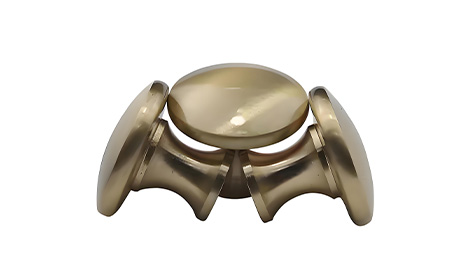
In summary, copper's unique properties, classified varieties, mechanical strengths, corrosion behavior, and diverse applications make it a cornerstone of modern technology. By considering factors like tensile strength and processing methods, industries can harness copper's full potential for efficient and sustainable solutions. As research continues, copper's role is likely to expand, particularly in green technologies.

