


Have you ever wondered how some metals don't rust, or why your mom's favorite cooking pan has a colorful surface that never seems to wear off? The secret is often something called metal coating! Just like you might paint a picture to protect paper and make it beautiful, scientists and engineers use special processes to protect metals. The two most common methods are called electroplating and anodizing.
These might sound like big, complicated words, but they're actually fascinating ideas that are easier to understand than you think. Both processes use electricity to change the surface of a metal, making it stronger, shinier, and longer-lasting. Let's dive in and explore the amazing world of metal finishing!
content:
What is Electroplating? Giving Metals a New Coat!
What is Anodizing? Making the Metal Stronger Itself!
Electroplating vs Anodizing: What's the Difference?
A Closer Look: Anodized vs Electroplated Aluminum
Why Anode and Cathode are Important
What is Electroplating? Giving Metals a New Coat!
Imagine you could dip a plain metal toy car into a special liquid and pull it out covered in shiny gold or silver. That's the basic idea behind electroplating. It's like giving the metal a new coat made of a different metal.
Here's how it works in simple steps:
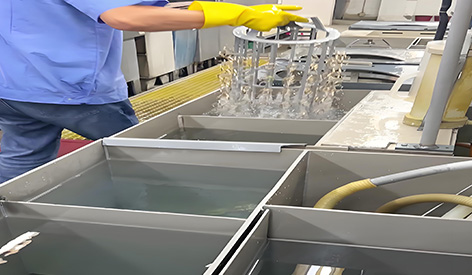
The Set-Up: You have a tank filled with a special liquid solution. This solution contains tiny, invisible particles (called ions) of the metal you want to use for the coating, like gold, nickel, or chrome.
The Parts: You place two things into the tank:
The object you want to coat (like a metal key). This is called the cathode.
A bar or piece of the coating metal (like a pure copper bar). This is called the anode.
The Power-Up: You connect the cathode (the key) and the anode (the copper bar) to a battery. This creates an electric circuit, just like when you turn on a flashlight.
The Magic Happens: The electricity makes the coating metal (the anode) slowly dissolve, releasing its tiny particles into the liquid. At the same time, these particles are magically attracted to the object you want to coat (the cathode). They stick to it, layer by layer, until the object is covered in a new, thin metal skin.
This industrial electroplating is used to make many things you see every day! For example, it makes:
Chrome parts on bicycles and cars shiny and rust-proof.
Jewelry like gold-plated necklaces look beautiful without being made of solid gold.
Electrical connectors in video game consoles work properly.
What is Anodizing? Making the Metal Stronger Itself!
Now, let's talk about anodizing. While electroplating adds a new layer, anodizing works by strengthening the metal's own surface. It's mostly used for lightweight metals like aluminum. Think of it like this: if a metal could grow its own super-strong skin, that's what anodizing does.
Here's a simple way to understand it:
The Set-Up: The metal object (like an aluminum water bottle) is placed in a different kind of special, acidic liquid.
The Parts: The object is again connected to the battery, but this time it becomes the anode (the positive side). This is the exact opposite role it has in electroplating!
The Power-Up: When the electricity flows, it causes a chemical reaction on the surface of the aluminum.
The Magic Happens: This reaction creates a thick, hard layer of aluminum oxide right on the metal itself. This natural oxide is much tougher than the original aluminum. It's like the metal grows a protective shell.
Anodizing metals like aluminum has some awesome benefits:
The new surface is extremely hard and scratch-resistant.
It prevents rust and corrosion incredibly well.
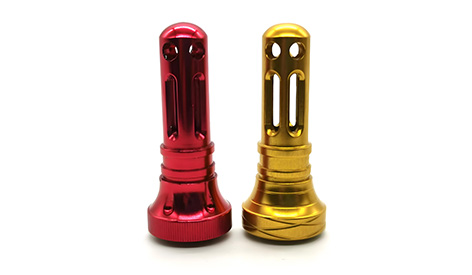
The surface is porous, like a sponge, which means it can be dyed any color you can imagine! That's how you get those cool blue, red, and purple water bottles and smartphone cases. This is a key part of anodizing and metal coatings.
Electroplating vs Anodizing: What's the Difference?
So, when we compare electroplating vs anodizing, what's the big deal? Let's put them side-by-side:
The Coating: Electroplating adds a different metal on top. Anodizing changes the original metal's surface to make it stronger.
The Feel: An electroplated object, like a gold-plated necklace, has a coating that can sometimes wear off over time. An anodized object, like a colorful bike frame, has a color that is part of the surface itself and is much less likely to chip or fade.
The Metals: Electroplating can be used on many different metals (and even some plastics!). Anodizing is usually for aluminum, titanium, and a few others.
Electricity's Role: In plating and anodizing, electricity is used in opposite ways. In electroplating, the object to be coated is the cathode (negative). In anodizing, the object is the anode (positive).
A Closer Look: Anodized vs Electroplated Aluminum
Let's use aluminum as an example. Why would you choose one over the other?
If you want an aluminum soda can to have a bright, shiny, silvery look, you might use electroplating to add a thin layer of another shiny metal. But this can be tricky and might not stick perfectly.
If you want an aluminum water bottle to be super tough, lightweight, and come in fun, long-lasting colors, you would definitely choose anodizing. The color is locked into the hard surface, so it won't peel off. This is the key difference between anodized vs electroplated aluminum.
Why Anode and Cathode are Important
Remember the anode vs cathode in electroplating? It's easy to get them mixed up! Here's a simple trick to remember:
The ANode is the source of the material being added. It is Active and gets Ate away.
The CAthode is the object that CAtches the new coating.
Getting this right is super important for the engineers running big industrial electroplating machines. If they connect the wires backwards, the coating won't work at all!
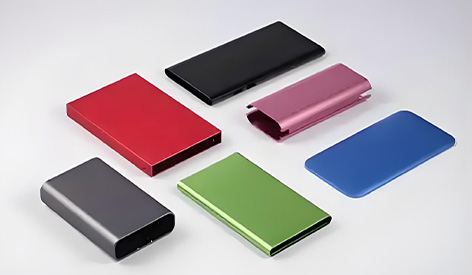
So, the next time you see a shiny bicycle handlebar or a colorful metal laptop, you'll know a secret about how it was made! Electroplating and anodizing are two amazing technologies that help us build a more durable and colorful world.
Electroplating is like a superhero's costume that a metal puts on, while anodizing is like the metal getting superpowers and becoming stronger itself. Both are awesome examples of how we can use science to solve everyday problems. Who knows, maybe one day you'll be the engineer who invents an even better way to protect metals.

