


Galvanized steel is the workhorse of exterior structural fabrication, providing the strength of steel combined with cost-effective, long-term corrosion resistance. However, this corrosion protection is entirely dependent on the integrity of its zinc coating. Successfully utilizing Galvanized Sheet Metal Fabrication requires specialized processes to cut, bend, and weld the material without destroying the protective zinc layer.
The biggest risk in sourcing is the invisible damage caused by processing—a cracked coating or a compromised weld seam. This guide provides B2B buyers with a practical checklist to ensure that every step of the fabrication process, from initial Laser Cutting to final weld repair, maintains the structural and anti-corrosion properties of the galvanized steel.
content:
Material Integrity: Understanding the Zinc Coating and Its Vulnerabilities
Cutting Risks: Managing Fumes and Edge Quality in Laser Cutting
Forming Damage: Preventing Coating Failure During Bending and Punching
Weld Zone Restoration: The Mandatory Post-Welding Repair Protocol
Compliance and Assembly: Ensuring Long-Term Structural Reliability
Material Integrity: Understanding the Zinc Coating and Its Vulnerabilities
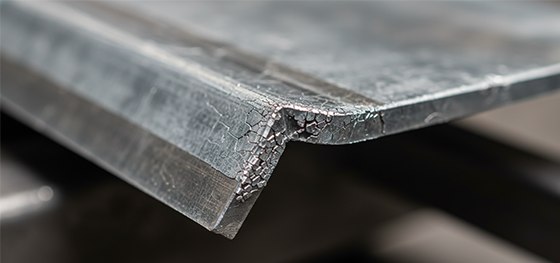
Galvanized steel’s corrosion resistance is primarily provided by a sacrificial zinc layer applied via the hot-dip process. This layer is chemically reactive and physically soft, making it vulnerable to destruction during high-speed fabrication:
Sacrificial Protection: The zinc coating is electrochemically more active than the underlying steel. If the steel is scratched, the zinc preferentially corrodes, preventing rust on the steel base. This protection is lost if the zinc layer is too thin or removed entirely.
Physical Damage: High-pressure Bending, Punching, and Stamping exert massive force on the zinc layer. If the radius is too tight or the forming is too aggressive, the coating cracks and flakes off, creating a pathway for corrosion.
Thermal Damage: Any high-heat process, particularly Welding, instantly vaporizes the zinc coating, leaving the steel exposed and highly vulnerable to immediate rust formation around the joint.
Cutting Risks: Managing Fumes and Edge Quality in Laser Cutting
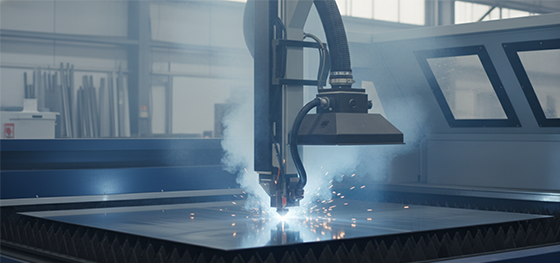
Laser Cutting galvanized steel is fast but introduces two major challenges: safety and edge quality. Both require specialized equipment and process control:
Fume Hazard: The heat of the laser instantly vaporizes the zinc, creating hazardous zinc oxide fumes. Professional facilities use high-capacity, specialized exhaust and filtration systems to ensure worker safety and prevent the fumes from contaminating other machines or parts.
Edge Contamination: The vaporized zinc can redeposit on the cut edge as dross or residue. This residue must be cleaned off before subsequent processing, as it can interfere with welding penetration and coating adhesion.
Quality Control: The best Laser Cutting practices use nitrogen as an assist gas to minimize the Heat Affected Zone (HAZ) and reduce burr formation, providing a cleaner edge for forming.
Forming Damage: Preventing Coating Failure During Bending and Punching
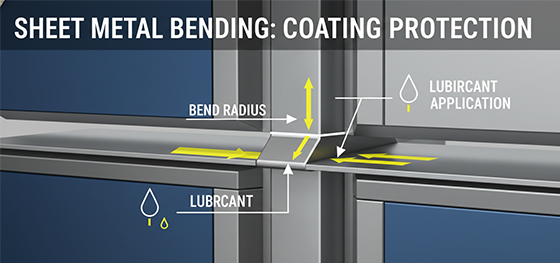
Bending galvanized steel risks "galling," where the zinc coating sticks to the tool, and cracking, where the coating breaks due to over-stretching:
Bending Radius: To prevent cracking, the inner bend radius must be carefully controlled, often specified to be larger than that used for bare steel. This reduces the stretching force on the outside of the bend.
Lubrication: During the Bending Service and Punching Service, specialized film lubricants are applied to the tooling to prevent the soft zinc from galling (sticking) to the press brake's dies, which would result in tool damage and stripping of the part's coating.
Tooling Material: Sometimes, specialized non-steel (e.g., urethane) dies are used for forming high-quality bends in galvanized steel to reduce the abrasive contact with the zinc surface.
Weld Zone Restoration: The Mandatory Post-Welding Repair Protocol
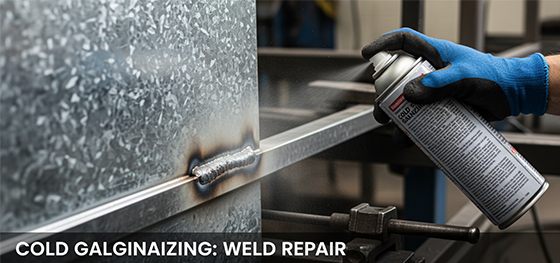
Welding galvanized steel instantly destroys the protective zinc layer in the weld area. The subsequent rust vulnerability must be addressed immediately to ensure the structural integrity and longevity of the component:
Ventilation and Safety: Welding galvanized steel releases zinc oxide fumes that are toxic. Welding must be performed in highly ventilated areas with dedicated fume extraction systems.
Repair Procedure: The exposed weld seam is thoroughly cleaned to remove all residual welding flux and oxides. The area is then repaired using a zinc-rich coating (often a spray or paint known as cold galvanizing), which restores the zinc's sacrificial protection.
Acceptance Criteria: For structural parts, the repair must adhere to relevant ISO or ASTM standards, ensuring the restored coating thickness provides comparable long-term corrosion resistance to the original hot-dip layer.
Compliance and Assembly: Ensuring Long-Term Structural Reliability
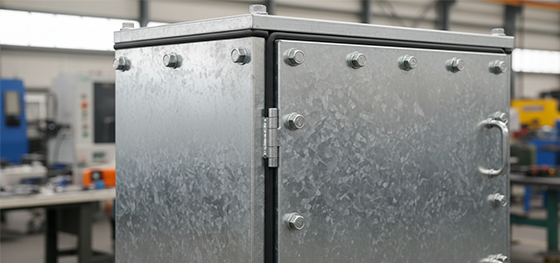
The final quality of the Galvanized Sheet Metal component is verified through rigorous inspection and proper assembly practices:
Dimensional Verification: Final dimensions are checked with CMM (Coordinate Measuring Machine) equipment to ensure the Bending Service and Punching Service did not cause unacceptable distortion or tolerance drift.
Assembly Strategy: Final Assembly Service must avoid piercing the galvanized material, which would expose the core steel. Methods like pre-punched holes and specialized fasteners (like blind rivets or self-tapping screws) are used to maintain the coating's integrity.
Certification: Jucherg's certified processes ensure that all material handling, welding, and repair protocols meet the high quality standards required for long-term structural and environmental performance.
Successful Galvanized Sheet Metal Fabrication is defined by meticulous process control over the vulnerable zinc layer. Jucheng Precision Technology offers specialized Laser Cutting, Bending, and expert post-weld restoration to guarantee your galvanized components maintain their structural integrity and long-term corrosion resistance.
Secure fully protected, high-quality galvanized steel structures. Contact us today to discuss the safe fabrication and repair strategy for your next structural component.

