


In the realm of industrial manufacturing, the selection of materials plays a critical role in determining product performance, sustainability, and cost-efficiency. Among the most versatile polymers, high-density polyethylene (HDPE) stands out due to its exceptional properties, including high strength-to-density ratio, chemical resistance, and durability. This article delves into the diverse applications of HDPE and related materials like foam sheets in factory processing, exploring how these substances are transformed into practical solutions across various sectors. We will examine key areas such as HDPE applications, high density polyethylene furniture, food grade plastic, HDPE packaging, HDPE plastic, high density polyethylene tank, high density foam sheet, and polyurethane foam board. By understanding their processing techniques and industrial uses, manufacturers can optimize production lines and meet evolving market demands.
content:
What is HDPE and What Do We Use It For?
Super Strong Outdoor Furniture
Safe Plastic for Our Food and Drinks
Tough Tanks for Storing Liquids
What are Foam Sheets and Boards?
High Density Foam Sheet: The Protector
Polyurethane Foam Board: The All-Rounder
What is HDPE and What Do We Use It For?
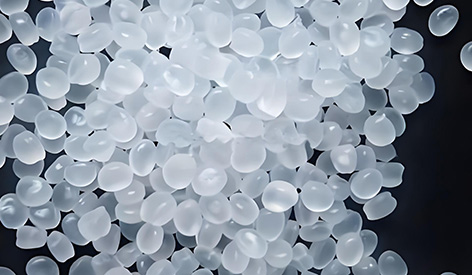
HDPE stands for High-Density Polyethylene. That's a big name, but you can think of it as a super-strong and bendy plastic. It's made from tiny pieces that are stuck together in a factory to form long, strong chains. This makes the plastic very hard to break, and it doesn't mind getting wet or being near most chemicals.
Because it's so tough, HDPE applications are everywhere! Factories melt it down and shape it into pipes for water, plastic boards for decks, and even parts for cars and tractors. It's also great because it can be recycled easily. Old HDPE products can be melted and made into new ones, which is better for our planet. You probably hold something made from HDPE every day!
Super Strong Outdoor Furniture
Have you ever sat on a plastic bench at a park or school? That's probably high density polyethylene furniture! This material is perfect for outdoor furniture because it's like a superhero against bad weather. The sun's rays won't fade its color easily, and rain and snow won't make it rot or get weak.
In the factory, the HDPE plastic is heated until soft and then pushed into molds to create chairs, tables, and benches. This furniture is so strong that it doesn't need a lot of fixing or painting. Plus, manufacturers often use recycled HDPE to make it, which helps keep our Earth cleaner. It’s a win-win: durable furniture that's also kind to the environment.
Safe Plastic for Our Food and Drinks
When we store our food and drinks, we need to make sure the container is safe. This is where food grade plastic comes in. HDPE is a star in this area because it's safe and doesn't have any bad chemicals that can get into our food.
Factories use special clean machines to shape HDPE into milk jugs, water bottles, and yogurt tubs. This HDPE packaging keeps our food fresh by locking out air and moisture. The smooth surface of the plastic also makes it hard for germs to grow. Before these containers are sold, they are tested to make sure they meet very strict safety rules. So, every time you drink from a plastic milk bottle, you're using a product that was made carefully to keep you healthy.
Tough Tanks for Storing Liquids
What do farmers, factories, and water treatment plants have in common? They all need strong tanks to hold liquids. A high density polyethylene tank is perfect for this job. These giant containers can hold everything from drinking water to plant food for farms.
Making these tanks is cool. Factories use a process where they spin a mold filled with HDPE powder in a giant oven. The plastic melts and sticks to the sides, creating a single, seamless tank with no weak spots. This means they are very unlikely to leak. Because they are made of plastic, they are much lighter than metal tanks and won't rust. This makes them a trusted choice for storing important liquids safely for a long time.
What are Foam Sheets and Boards?
Now, let's talk about foam! You probably know foam from a comfy mattress or a cooler box. But foam is also a super-useful material in factories. There are two main types we'll talk about: a dense foam sheet and a versatile foam board.
High Density Foam Sheet: The Protector
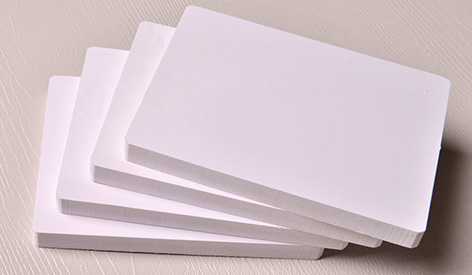
A high density foam sheet is like a strong, squishy sponge. "High density" means the foam is packed tightly together, making it firm and strong. It's great for protection and insulation.
Factories make these sheets by melting plastic and then blowing air into it to create tiny bubbles, kind of like making a foam bubble bath but solid! These sheets are then cut to size. You can find them lining walls in houses to keep them warm in winter and cool in summer. They are also used to pack delicate things like TVs and computers so they don't get broken during shipping. It's a soft but mighty material!
Polyurethane Foam Board: The All-Rounder
Polyurethane foam board is another amazing material. It can be hard and rigid for building things, or soft and flexible for comfort.
This foam is made by mixing two liquids that react and expand, just like a science experiment, to become a solid foam board. The rigid type is fantastic for insulation in the walls of homes and schools, helping to save energy. The soft type is used to make car seats and sofa cushions comfy. It's also used in things like acoustic panels that help make rooms quieter. This foam is a true all-rounder, making our lives more comfortable and efficient.
From the HDPE plastic in your recycling bin to the foam in your helmet, these materials are silent heroes in our daily lives. HDPE gives us safe food packaging, sturdy furniture, and reliable tanks. Foam sheets and boards protect our goods and keep our homes at the right temperature

