


High-Density Polyethylene (HDPE) is a versatile thermoplastic widely recognized for its exceptional durability, chemical resistance, and cost-effectiveness. As one of the most commonly used plastics globally, HDPE plays a critical role in numerous industries, from packaging and construction to automotive and consumer goods. Its molecular structure, characterized by minimal branching, results in high strength-to-density ratios, making it an ideal material for demanding applications. This article delves into the key aspects of HDPE, including its properties, manufacturing processes, forms like sheets, color options, texture, applications, and products, providing a detailed technical overview for professionals and enthusiasts alike.
What is HDPE Plastic?
Why is HDPE So Useful?
How is HDPE Made?
HDPE Sheets: Like a Super-Durable Piece of Paper
HDPE Colours: A Whole Rainbow of Choices
HDPE Texture: How It Feels
Where Do We Use HDPE? (Its Many Jobs!)
Cool Things Made from HDPE
What is HDPE Plastic?
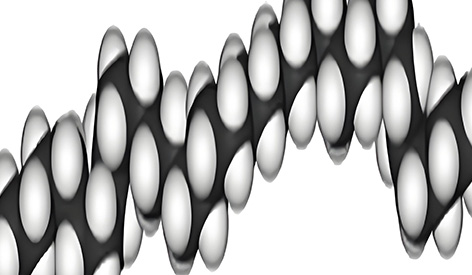
Imagine a bunch of tiny, straight chains all packed tightly together. That’s kind of what HDPE looks like under a microscope! The full name, High-Density Polyethylene, might sound complicated, but it just means the plastic is made of those tight chains, which makes it very strong and stiff. It’s made from oil and natural gas, and it's one of the most common plastics in the world. The best part? It can be melted down and remade into new products, which is great for our planet.
Why is HDPE So Useful?
HDPE has some awesome "superpowers" that make it perfect for so many jobs:
Super Strong & Tough: It doesn't crack or break easily, even if you drop it. That’s why it's used for things like heavy-duty buckets and playground equipment.
Waterproof & Chemical Proof: Water and most liquids (like cleaning supplies or juice) can't soak through it or damage it. This makes it perfect for bottles and pipes.
Lightweight: Even though it's strong, it doesn't weigh very much.
Can Be Melted and Reshaped: When it gets hot, HDPE gets soft and can be molded into any shape. When it cools down, it becomes hard again. This is how we can make so many different things with it.
The unique properties of hdpe enable it to play a distinctive role in the industrial field.
How is HDPE Made?
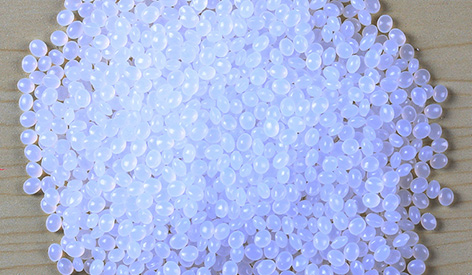
Making HDPE starts with a gas called ethylene. This gas is mixed with a special helper called a catalyst that makes all the tiny molecules link together to form those long, straight chains we talked about. Think of it like making a popsicle—you start with a liquid, put it in a mold, and it becomes a solid shape. The plastic is then cooled and chopped into tiny pellets that look like sprinkles. These pellets are sent to factories where they are melted and turned into all the HDPE products we use.
HDPE Sheets: Like a Super-Durable Piece of Paper
Sometimes, HDPE is made into big, flat pieces called sheets. These sheets are like super strong, plastic cardboard. They can be cut and drilled into to make all sorts of things. You might find HDPE sheets as cutting boards in your kitchen, as a smooth surface for signs, or even as a liner inside a water tank. They are easy to clean and can take a lot of abuse without wearing out.
HDPE Colours: A Whole Rainbow of Choices
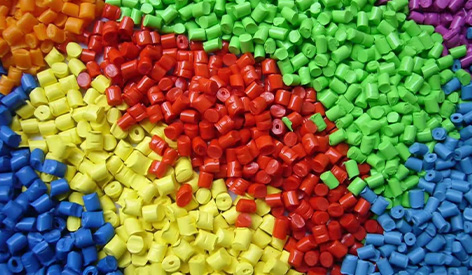
HDPE doesn't have to be boring! While it's naturally a milky white or see-through color, we can add any color we want to it. We mix in special colored dyes when it's melted to make it red, blue, green, or even black. This isn't just for looks. For example, a bright orange traffic cone is easy to see, and a black HDPE bin left outside won't be damaged as easily by sunlight.
HDPE Texture: How It Feels
The way HDPE feels can be changed depending on what it's used for. Most of the time, it has a smooth and slightly shiny surface, like the bottom of a plastic sled. But sometimes, we give it a rough or bumpy texture. This is useful for things like the floor in a playground, so it's not too slippery, or on the handle of a tool, so it's easier to grip.
Where Do We Use HDPE? (Its Many Jobs!)
HDPE has so many different jobs! Here are just a few places you can find it:
At Home: Milk jugs, shampoo bottles, detergent containers, and food storage boxes.
In Your Town: Pipes that carry water under the street, plastic bags from the store, and recycling bins.
For Fun: Toys, kayaks, and slides and climbers on the playground.
In Serious Work: Chemical storage tanks in factories, and even parts for cars.
Hdpe applications often appear in all aspects of life.

Cool Things Made from HDPE
So many of the things you use are made from HDPE! Here's a list of common products:
Bottles for milk, water, and juice
Grocery bags and recycling bags
Pipes for water and gas
Cutting boards
Outdoor furniture
Toys
In conclusion, HDPE stands as a cornerstone of modern materials science, offering a blend of properties, manufacturing flexibility, and application diversity that few other plastics can match. From its robust sheets and customizable colours to its adaptable texture and wide-ranging products, HDPE continues to evolve through innovations in manufacturing and sustainability. As industries seek durable, eco-friendly solutions, HDPE's role is likely to expand, underscoring its importance in a resource-conscious world.

