


When selecting materials for industrial, artistic, or architectural applications, understanding their physical and mechanical properties is essential. Brass, a widely used copper-zinc alloy, is frequently chosen for its unique combination of workability, corrosion resistance, and aesthetic appeal. Among the most common queries regarding this material are: Is brass heavy? and Is solid brass heavy? Additionally, how does it compare to other metals in terms of weight and hardness? This article explores these questions in detail, covering the mechanical properties of brass, its weight and hardness, and how it stacks up against metals like steel and copper.
content:
What Is Brass?
Is Brass Heavy? Understanding Its Weight
Brass vs. Steel: Which Is Heavier?
How Heavy Is Brass Compared to Copper?
Brass Hardness:Key Mechanical Property
Mechanical Properties of Brass
The Weight and Hardness of Brass in Applications
What Is Brass?
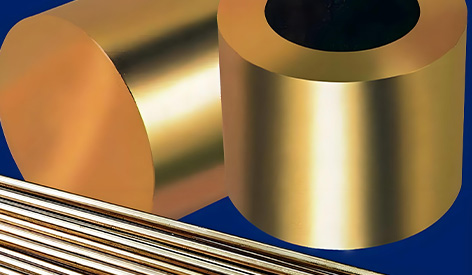
Brass is an alloy primarily composed of copper and zinc, though it can include other elements like lead, tin, or aluminum to enhance specific characteristics. The proportions of copper and zinc can vary, leading to different types of brass with distinct properties. Common brass varieties include yellow brass, red brass, and naval brass, each tailored for specific applications ranging from musical instruments to marine hardware.
Is Brass Heavy? Understanding Its Weight
One of the most frequent questions is, “Is brass heavy or light?” The answer depends on the context of comparison. Brass has a density of approximately 8.4 to 8.7 grams per cubic centimeter (g/cm³), which is considerable when compared to many non-metallic materials. Therefore, brass is heavy relative to plastics or wood, but it is lighter than some other metals.
When people ask “Is solid brass heavy?” they are often referring to objects made entirely of brass, such as hardware fixtures or sculptures. Solid brass items are indeed dense and substantial, contributing to a perception of quality and durability. For example, a solid brass doorknob will feel heavier than one made of zinc alloy or plastic.
Brass vs. Steel: Which Is Heavier?
A common comparison is between brass and steel. Is brass heavier than steel? The short answer is no. Steel, particularly carbon steel, has a density of around 7.85 g/cm³, which is slightly lower than that of brass. However, stainless steel can have a density close to 8.0 g/cm³, still less than brass. Therefore, brass is generally denser and heavier than most types of steel. This difference is noticeable in applications where weight is a factor, such as in fittings or components where brass might be used for its heft and corrosion resistance.
How Heavy Is Brass Compared to Copper?
Another relevant query is: Is brass heavier than copper? Copper has a density of about 8.96 g/cm³, which is higher than that of most brass alloys. Since brass contains zinc—which has a lower density of 7.14 g/cm³—the overall density of brass is usually less than that of pure copper. Thus, brass is lighter than copper, though the difference might not be dramatic without direct comparison.
Brass Hardness:Key Mechanical Property
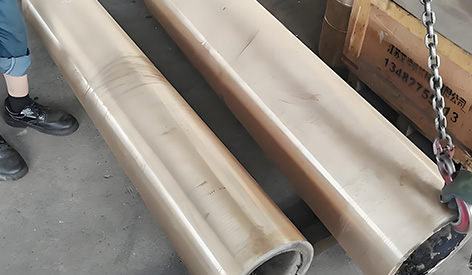
Brass hardness varies significantly based on its composition and treatment. Hardness is typically measured using scales such as Rockwell B or Vickers. The addition of elements like lead or aluminum can increase hardness, while annealing (heat treatment) can reduce it. For instance, cartridge brass (70% copper, 30% zinc) is relatively soft and malleable, whereas leaded brass or architectural brass can be much harder.
Hardness also influences wear resistance. Softer brass alloys are easier to machine but may wear more quickly, while harder brasses are more durable but less pliable.
Mechanical Properties of Brass
The mechanical properties of brass include not only hardness but also tensile strength, ductility, and corrosion resistance. These properties make brass highly versatile:
Tensile Strength: Ranges from 30,000 to 60,000 psi, depending on the alloy and whether it has been cold-worked or heat-treated.
Ductility: Brass is known for its excellent malleability and formability, especially in low-zinc alloys.
Corrosion Resistance: Brass resists tarnishing and corrosion, making it ideal for plumbing, musical instruments, and marine applications.
These characteristics are why brass is preferred for components that require a balance of strength and workability.
The Weight and Hardness of Brass in Applications
The weight and hardness of brass are critical in practical applications. For example, in musical instruments like trumpets or trombones, the weight of brass contributes to acoustic properties and durability. In plumbing, the hardness and corrosion resistance of brass ensure long-term reliability without failure.
In decorative applications, the heft of solid brass—often perceived as premium—adds to the tactile experience and perceived value of items like cabinet handles, lamps, and awards.
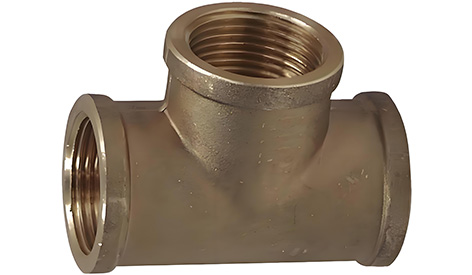
So, is brass heavy or light? Compared to materials like aluminum or plastic, brass is undoubtedly heavy. But when stacked against metals like copper or some steels, it occupies a middle ground. Its density, combined with favorable mechanical properties, makes it a preferred material across industries.
Understanding how heavy is brass and how its hardness behaves under different conditions helps designers, engineers, and consumers make informed decisions. Whether you’re looking for durability, machinability, or aesthetic appeal, brass offers a unique set of characteristics that continue to make it a valuable material in modern manufacturing and design.

