


The medical device industry is a rapidly evolving sector that relies heavily on innovation, precision, and, most importantly, the materials used in production. The choice of materials directly impacts the safety, efficacy, and longevity of devices, ranging from simple surgical instruments to complex implantable technologies. As regulatory standards become more stringent and patient expectations rise, manufacturers must navigate a complex landscape of material selection in medical device manufacturing. This process is not merely about picking a substance; it involves a deep understanding of chemical properties, biological interactions, and manufacturing capabilities. The entire ecosystem of manufacturing for medical devices is built upon a foundation of advanced medical device manufacturing materials and the sophisticated medical device manufacturing equipment required to shape them. This article delves into the critical aspects of materials and manufacturing, highlighting key substances like stainless steel, Titanium alloy, plastic, and aluminum alloy, and exploring how they are integrated into modern production workflows.
What Are Medical Device Materials?
How Do We Pick the Right Material?
The Machines That Build the Devices
How Are Medical Devices Made?
A Closer Look at the Superstar Materials
What Are Medical Device Materials?
Think of medical device manufacturing materials as the building blocks. Just like you can build a house with wood, bricks, or metal, you can build medical devices with different materials. These building blocks must be special. They need to be body-friendly, strong, and not rust or break down.
There are a few main types:
Metals: Like stainless steel and Titanium alloy. These are super strong, like the frame of a skyscraper.
Plastics: These are light, can be see-through, and are often cheaper. Think of a disposable water bottle, but made to much higher standards!
Other Stuff: Ceramics and special mixes called composites.
Scientists are always inventing new, smarter materials that can even dissolve in the body after they've done their job!
How Do We Pick the Right Material?
Material selection in medical device manufacturing is like choosing the best player for your team. You pick the material that is best for the job.
Imagine you need to make a new leg bone. It has to be very strong and not make the body sick. You would probably pick a super-strong and body-friendly metal like Titanium alloy.
Now, imagine making a syringe that's only used once. You don't need a super-expensive metal. You can use a special, clean plastic that is perfect for shaping and is cheap to make.
Here's what engineers think about when they choose:
What is it for? (Does it go inside the body? Does it need to be flexible?)
How strong does it need to be?
Can it get wet or go in the body without rusting? (This is why stainless steel is great for tools that are washed over and over).
Is it safe for people? This is the most important rule!
The Machines That Build the Devices
You can't build a cool Lego set without the instructions. In the same way, you can't turn raw materials into a medical device without medical device manufacturing equipment. These are the amazing machines that cut, shape, and put everything together.
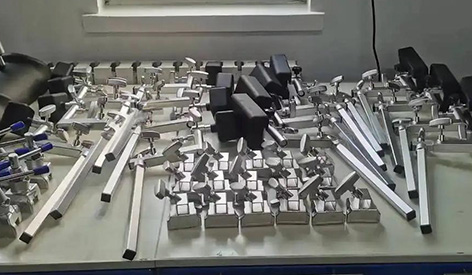
For metal parts made of stainless steel or Titanium alloy, they use super-precise cutting machines (like a super-powered pencil sharpener) to carve the metal into perfect shapes.
For plastic parts, they use a machine that melts the plastic and squirts it into a mold, like making a candy in a mold. This is called injection molding.
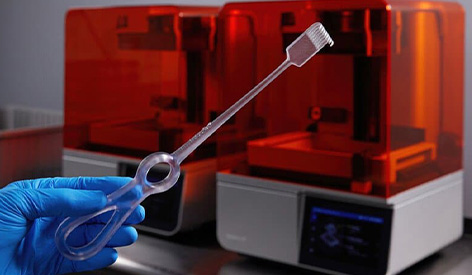
3D printers are also a new, awesome type of equipment. They can build a part layer-by-layer, which is perfect for making one-of-a-kind devices.
All this work is often done in super-clean rooms, called cleanrooms, to make sure no germs get on the devices.
How Are Medical Devices Made?
Manufacturing for medical devices is the step-by-step process of making these helpful tools. It starts with an idea and a drawing. Then, a prototype (a first-ever model) is made to test the idea.
If the prototype works, they start making lots of them using the big machines we talked about. They might forge (pound into shape) aluminum alloy for a wheelchair part, or mold plastic for a device casing.
Every single step is checked and double-checked for quality. Finally, before packing, all devices must be sterilized. That means killing all the germs so it's totally safe to use.
A Closer Look at the Superstar Materials
Titanium Alloy: The Body's Best Friend
Titanium alloy is a superstar metal for implants like fake knees or hips. Why?
It's very strong but surprisingly light.
The human body doesn't mind it at all—it's very body-friendly.
It doesn't rust, even inside your body.
It's flexible in a way that is similar to bone, which helps your real bone stay strong.
It's a bit more expensive and can be hard to cut, but for important jobs inside the body, it's one of the best.
Plastic: The Shape-Shifter
Plastic is everywhere in medicine! It's used for things like syringes, IV tubes, and pill bottles.
Why is it so popular?
It can be made into almost any shape or color.
It can be see-through (so a nurse can see medicine moving through a tube).
It's light and doesn't cost a lot to make.
Some plastics are bendy, which is perfect for things like catheters.
Most plastic parts are made by injection molding, where melted plastic is squeezed into a mold to make thousands of identical parts quickly.
Aluminum Alloy: The Lightweight Champion
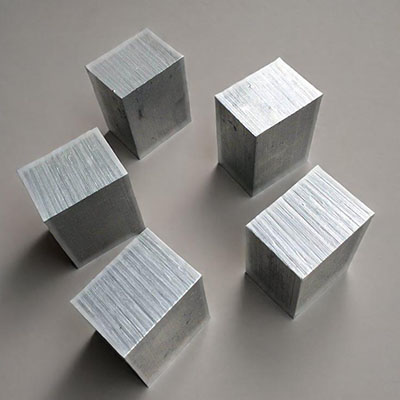
Aluminum alloy is the metal you find in soda cans. In medical devices, it's used for things that need to be light but strong, like the outside case of a machine, wheelchair parts, or toolboxes.
Its best feature is that it is very light.
It's strong enough for many jobs.
It can be treated to not rust and can even be colored.
It's not usually used for implants, but it's a fantastic, less expensive choice for many other medical tools.
Stainless Steel: The Super-Reliable Hero
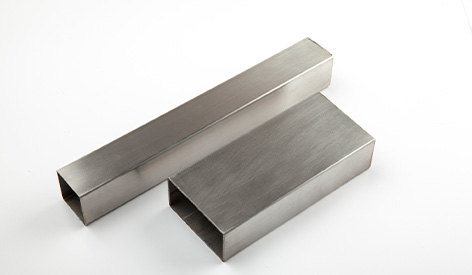
Stainless steel is the tough, reliable hero of the hospital. You'll find it in most surgical tools like scissors, clamps, and scalpels.
Why do doctors love it?
It's super strong and doesn't bend.
It's amazing at not rusting, even when washed and sterilized again and again.
It doesn't cost too much.
It can be made very shiny and smooth, which makes it easy to clean.
It might be heavier than titanium, but its reliability and lower cost make it a go-to material for so many devices.
Making medical devices is all about teamwork between smart materials and amazing machines. Picking the right material is the first and most important step.
From the body-friendly strength of Titanium alloy to the easy-shaping of plastic, each material has a special job. The light aluminum alloy and the trusty stainless steel also play huge roles.

