


The medical device industry is a critical sector that relies on precision, reliability, and innovation to produce equipment that saves lives and improves patient outcomes. With advancements in technology, manufacturing for medical devices has evolved significantly, incorporating sophisticated techniques to meet stringent regulatory standards. This article explores key aspects of medical device production, focusing on laser-based processes, equipment, materials, and precision components. By understanding these elements, stakeholders can appreciate the complexities involved in creating safe and effective medical tools. We will delve into specifics such as laser marking medical devices and the use of advanced materials, ensuring a comprehensive overview of modern manufacturing practices.
What is Medical Device Manufacturing?
The Steps to Make a Medical Tool
The Magic of Lasers
How Lasers Write on Tools
Why This All Matters
What is Medical Device Manufacturing?
Manufacturing for medical devices is just a fancy way of saying "making doctor tools." It's like a super-organized factory that builds things for hospitals. People who work there have to be very careful and follow lots of safety rules to make sure every tool is perfect. They use science, engineering, and smart ideas to create everything from a small bandage to a big machine that helps people breathe.
The Steps to Make a Medical Tool
The medical device manufacturing process is like following a recipe to bake a cake, but for science! Here are the basic steps:
The Idea: Someone thinks of a new tool that can help people.
The Drawing: They draw the tool on a computer, kind of like digital Lego designs.
The Test Model: They build a test version, called a prototype, to see if their idea works.
Picking the Stuff: They choose the medical device manufacturing materials. This is like picking the ingredients for your cake. They need stuff that is safe to go inside or on the human body, like special plastics and certain metals.
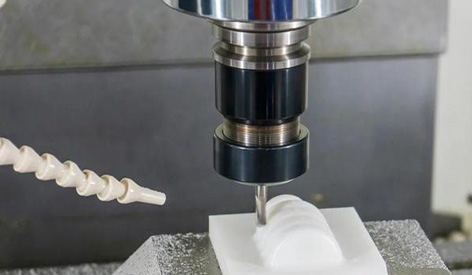
Building It: They use medical device manufacturing equipment—big and smart machines—to cut, shape, and put all the parts together.
Checking for Mistakes: They check the tool over and over to make sure there are no problems.
The Magic of Lasers
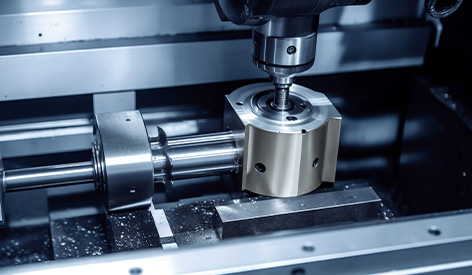
One of the coolest machines used is the laser. Laser processing for medical device manufacturing means using a super-focused beam of light to work on materials.
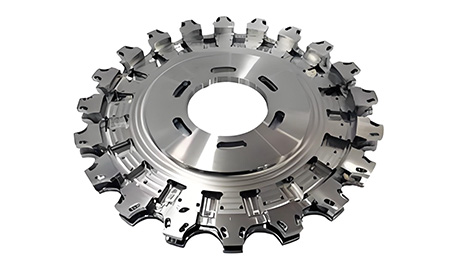
Think of it like a tiny, powerful light saber that can cut or mark things very carefully. It's great because it doesn't even need to touch the material, which keeps everything very clean. This is super important for making tiny, delicate parts called medical precision components. These are the tiny pieces that fit inside bigger machines, and they have to be made perfectly.
How Lasers Write on Tools
Have you ever seen a serial number on a tool? Lasers are often used to put that there!
Laser marking medical devices is like using a pen made of light. It changes the color of the surface to write a number or a name without scratching it. This helps hospitals keep track of all their tools.
Laser engraving medical devices is similar, but it carves a tiny groove into the material. It's a bit like carving your initials into a tree, but much, much more precise! This is used to put permanent labels on things like metal surgical tools.
Why This All Matters
Making medical tools is a big responsibility. People's health depends on these devices being safe and working correctly. By using amazing technology like lasers and choosing the right materials, companies can build fantastic tools for doctors.
In summary, the field of medical device manufacturing is a dynamic and highly regulated industry that leverages advanced technologies like laser processing to enhance precision and efficiency. From the initial stages of manufacturing for medical devices to the final production of medical precision components, each step requires careful attention to detail and adherence to standards. Techniques such as laser marking medical devices and laser engraving medical devices play a crucial role in ensuring traceability and safety, while innovations in equipment and materials continue to push boundaries.

