


The medical device industry is a cornerstone of modern healthcare, driving advancements that improve patient outcomes and enhance quality of life. At the heart of this sector lies a complex and highly regulated manufacturing ecosystem. The equipment used in the production of medical devices is not merely about assembly; it embodies precision, reliability, and innovation. From initial prototyping to mass production and final distribution, each stage relies on specialized machinery and processes. This article delves into the critical technologies and systems shaping medical device manufacturing today, exploring how tools like CNC machines, 3D printers, and injection molding equipment are revolutionizing the field. We will also examine the broader context, including the role of manufacturing for medical devices and the vital network of medical device distributors that ensure these life-saving products reach end-users safely and efficiently. Understanding these components is essential for appreciating the engineering marvels behind everyday medical innovations.
What is a Medical Device Factory?
The Superstar Machines
How Do All These Machines Work Together?
Getting the Tools to the Hospitals
The Future is Exciting!
What is a Medical Device Factory?
Imagine a super-clean and organized factory. This is where "medical device manufacturing" happens. The special tools and machines in this factory are called medical device manufacturing equipment. Think of them as the ultimate helpers that cut, shape, and put things together with incredible precision.
Every single thing made in this factory has to follow very strict safety rules. It's a bit like how you have to follow a recipe exactly to bake a perfect cake. If you add too much of one ingredient, the cake might not taste good. In the same way, if a medical tool is made even a little bit wrong, it might not work correctly for a person who needs it. This whole process of creating these helpful tools is what we call manufacturing for medical devices.
The Superstar Machines
Now, let's meet the rockstars of the factory!
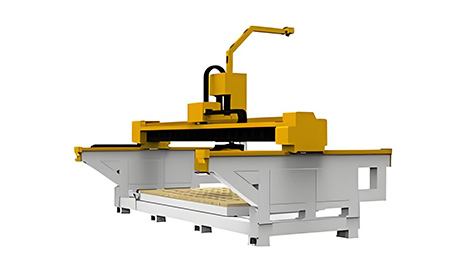
1. The Super-Precise Carver: The CNC Machine
A CNC machine is like a super-smart, robotic sculptor. You tell it exactly what to make by giving it a digital drawing from a computer. Then, it uses sharp tools to carefully carve a block of metal or plastic into a perfect shape.
For example, if a doctor needs a special screw to help hold a broken bone together, the CNC machine can carve it out of titanium. It makes sure every groove and thread is exactly right. This machine is fantastic at making the same perfect part, over and over again.
2. The Layered Builder: The 3D Printer
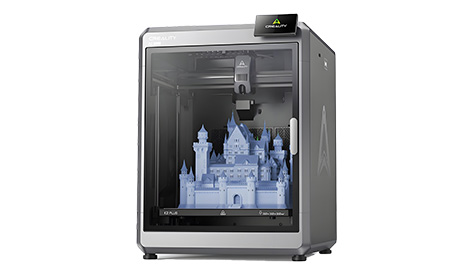
You might have heard of a 3D printer! Instead of carving something out of a block, a 3D printer builds it up, layer by layer, like making a cake with very, very thin layers of frosting.
This is one of the coolest pieces of equipment used in manufacturing of medical devices. Why? Because it can make things that are unique. Let's say a person has a hole in their skull that needs to be covered. Doctors can use a 3D printer to create a special implant that fits that person's head perfectly! It can also make models of a patient's body so surgeons can practice before the real operation.
3. The Super-Fast Copy Machine: The Injection Molding Machine
An injection molding machine is the master of making lots of copies very quickly. Have you ever used a waffle iron? You pour batter in, close it, and out comes a waffle. This machine works in a similar way.
It heats up special, safe plastic until it melts. Then, it injects (squirts) this liquid plastic into a hollow metal mold. The plastic cools down and hardens into the shape of the mold. Pop it out, and you have a finished part! This is how many disposable items are made, like the plastic parts of a syringe or a small tube called a catheter.
How Do All These Machines Work Together?
Creating a medical device is a team effort, like building a complex Lego set. You need different pieces made by different machines.
First, a 3D printer might be used to create a prototype—a test version—of a new tool. Once the design is perfect, an injection molding machine could be used to make the main plastic body. Then, a CNC machine might create a tiny, precise metal part that goes inside.
All of this happens in a super clean room to make sure no dust or germs get on the devices. This teamwork in manufacturing for medical devices ensures that the final product is safe, works perfectly, and can be made for many people who need it.
Getting the Tools to the Hospitals
After the tools are made, how do they get to your local hospital or clinic? This is the job of medical device distributors.
Think of distributors as the delivery heroes of the medical world. They are companies that take the finished devices from the factories, store them safely in big warehouses, and then pack them up and drive or fly them to hospitals and doctors' offices all over the country, and even the world!
They make sure that things that need to stay cold, like some medicines or tests, are kept in refrigerators during their entire trip. Without these distributors, the amazing tools made in the factories would never get to the people who need them.
The Future is Exciting!
The world of medical device creation is always getting better. The machines are becoming smarter and can talk to each other through computers. 3D printers might one day be able to print using living cells to make new skin! The CNC machines and injection molding machines will get even more precise and use less energy.
All of this cool technology helps make sure that doctors have the best possible tools to help people get better. So the next time you see a bandage or a blood pressure monitor, you'll know there's a fantastic world of amazing machines and smart people working behind the scenes to create it.

