


The medical industry relies heavily on precision and reliability, where the smallest component can significantly impact patient outcomes. The evolution of medical devices—from diagnostic tools to life-saving implants—demands manufacturing processes that deliver unparalleled accuracy, consistency, and compliance with stringent regulatory standards. This article explores the critical aspects of manufacturing for medical devices, focusing on the materials, technologies, and specialized components that form the backbone of modern healthcare solutions. We will delve into various elements, including medical precision components, the role of advanced machining, and the specific requirements for optics and turned parts, highlighting how innovation continues to drive progress in this vital sector.
content:
Tiny Parts for Medical Tools
Using Computers to Make Parts
Materials for Medical Devices
How Medical Devices Are Made
Special Parts for Seeing Inside the Body
Round Parts for Medical Tools
Tiny Parts for Medical Tools
In many medical devices, there are small, precise parts that must be made perfectly. These are called medical precision components. They are like the tiny gears in a watch—if they aren't the right size, the whole thing might not work. For example, in a device that checks your heart or gives medicine like insulin, these parts need to fit together without any mistakes. People use advanced tools to make them, sometimes even 3D printers, to create shapes that are super detailed. The materials have to be safe for the body, so they don't cause harm. As doctors do more procedures with small cuts and personalized treatments, the need for these exact parts keeps growing.
Using Computers to Make Parts
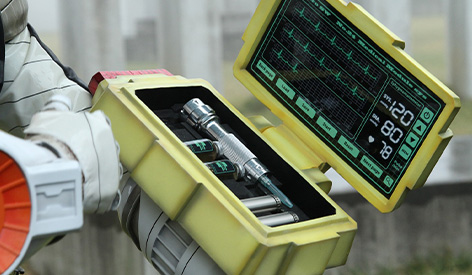
To build complex pieces, companies use computers and machines. This process is called making precision CNC components for the medical industry. CNC stands for Computer Numerical Control, which means a computer tells a machine how to cut materials like metal or plastic very carefully. It's like using a super-smart robot that follows exact instructions to make parts such as screws for bones or cases for medical gadgets. Each part is designed on a computer first, and then the machine makes it real. This helps avoid errors and makes sure every piece is the same. With multi-axis machines, they can even create tricky shapes inside tools like cameras used in surgeries. Plus, everything is recorded so people can check it's done right, following rules to keep patients safe.
Materials for Medical Devices
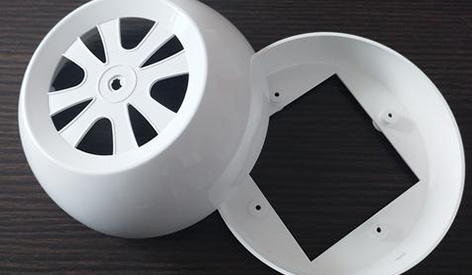
The stuff used to make medical devices has to be strong, safe, and long-lasting. These medical device manufacturing materials include things like stainless steel, titanium, and special plastics. For instance, metal might be used for fake joints because it doesn't rust and can handle lots of movement. Plastics are great for bendy items like tubes in catheters because they're light and easy to clean. Sometimes, materials are made to dissolve in the body over time, so you don't need another surgery to remove them. Before using any material, experts test it to see if it can survive conditions like being sterilized or moving around inside a person. Nowadays, people are also looking for earth-friendly options that still keep everyone safe.
How Medical Devices Are Made
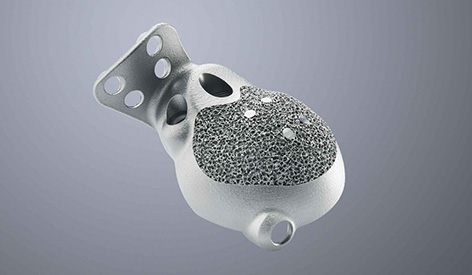
The whole process of manufacturing for medical devices involves designing, building, and testing products to meet high standards. It starts with an idea, then making a prototype (a first model), and checking if it works well in real life. Machines and robots often help put things together in clean rooms where there's no dirt or germs. Cool technologies like 3D printing allow for custom parts that fit one person perfectly, such as a bone implant shaped just for them. Digital tools can create a virtual copy of a device to predict how it will perform over time. Everyone works together—engineers, doctors, and regulators—to make sure devices are affordable and reliable. By improving methods step by step, companies can make better products that help people stay healthy.
Special Parts for Seeing Inside the Body
Some medical tools need parts that help with seeing or using light. These are known as medical optic precision components. They include lenses, fibers, and sensors in devices like microscopes, endoscopes (cameras that look inside the body), and imaging machines. Making these parts requires extreme precision to avoid blurry images or mistakes. For example, in surgeries with tiny cameras, clear visuals help doctors do their job without big cuts. Materials like special glass are used because they let light pass through clearly and don't get damaged easily. Coatings are added to stop glare or fogging, which is important in sterile environments. As more people use telemedicine and home tests, these parts are getting smaller and smarter, with features like digital zoom to make images better.
Round Parts for Medical Tools
Another type of part is round or cylindrical, made using a turning process. These are called precision turned components for medical. They include things like connectors, pins, and valves in devices such as insulin pens or pumps. Turning involves spinning a material and cutting it into shape, similar to how a potter shapes clay on a wheel. This makes sure the parts are smooth and fit together tightly, so liquids don't leak out. Machines controlled by computers can add fine details like threads for screwing parts together. Materials range from metals to plastics, picked because they're safe to sterilize and strong enough to last. Quality checks ensure each piece is just right, and some now have tiny sensors to monitor how they're working in real time.
In short, making medical devices is all about teamwork between parts, materials, and processes. Tiny medical precision components keep devices running smoothly, while precision CNC components for the medical industry allow for custom solutions. The right medical device manufacturing materials ensure safety and durability, and smart methods in manufacturing for medical devices make everything efficient. Specialized items like medical optic precision components help doctors see clearly, and precision turned components for medical ensure connections are secure. As technology improves, the focus remains on creating tools that are reliable and help patients get better.

