


Plastic extrusion is a foundational manufacturing technique in the polymer industry, enabling the mass production of continuous, uniform plastic components with precise cross-sectional profiles. This process involves heating thermoplastic materials to a molten state and forcing them through a specially designed die, resulting in elongated shapes that are cooled and cut to specification. Due to its efficiency, scalability, and versatility, plastic extrusion is integral to sectors like construction, automotive, and consumer goods. This article delves into the core aspects of plastic extrusion, covering equipment, processes, and a diverse range of products, while highlighting key industry terms and applications to provide a comprehensive understanding.
What Are Plastic Extrusion Products?
The Machine That Does the Work: Plastic Extrusion Equipment
Different Ways to Extrude Plastic
Ready-to-Use Plastic Parts: Stock Plastic Extrusions
Cool Things Made by Extrusion
What's Next for Plastic Extrusion?
What Are Plastic Extrusion Products?
Simply put, plastic extrusion products are all the things made by this "Play-Doh press" method. The machine can create all kinds of extruded plastic shapes.
Think about the plastic pipe under your sink, the white trim around a window, or the vinyl on the side of a house. These are all examples. The machine can make simple shapes, like a rod, or really complicated ones, like a piece with multiple grooves and channels. Because the process is continuous, it's perfect for making very long, strong, and consistent pieces.
The Machine That Does the Work: Plastic Extrusion Equipment
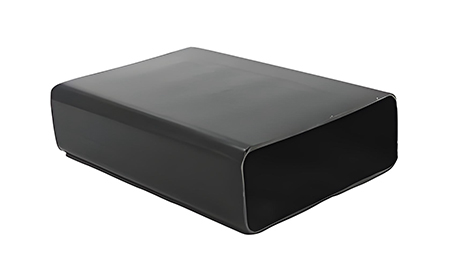
So, what is this amazing machine? The main part is called the plastic extrusion equipment.
Here’s how it works in simple steps:
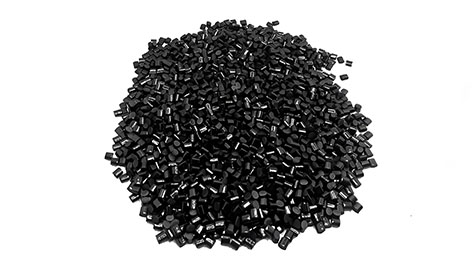
The Feeder: Small plastic pellets (like tiny beads) are poured into a hopper at the top of the machine.
The Heater: The pellets travel down a long barrel. It's like a heated metal tube with a giant, twisting screw inside. The screw pushes the pellets forward while the heat melts them into a gooey, liquid plastic.
The Shaper: At the end of the barrel, there's a metal plate called a "die." Think of it as a cookie cutter for the liquid plastic. The melted plastic is forced through the hole in this die, and it comes out in the exact shape of that hole.
The Cooler: The hot, soft plastic shape then goes through a water bath to cool it down and make it hard.
The Puller and Cutter: Finally, pulling gears gently grab the long, cooled plastic shape and guide it along. At the very end, a saw cuts it into the exact lengths needed.
Different Ways to Extrude Plastic
Just like there are different ways to cook food (baking, frying, boiling), there are different types of plastic extrusion.
The Basic Way (Single-Screw): This is the most common method, great for making simple things like plastic sheets or basic tubes.
The Super-Mixer Way (Twin-Screw): This uses two screws that work together. It's really good at mixing different colors or adding special ingredients to the plastic to make it stronger or softer.
The Layered Way (Co-extrusion): This is really cool! It's like making a layered cake. Two or more melted plastics are pushed through the same die at once, creating a single piece with different layers. This is used for things like ketchup bottles, where one layer is strong and another keeps the air out.
Ready-to-Use Plastic Parts: Stock Plastic Extrusions
Sometimes, companies don't need a custom shape. They just need a standard plastic piece, fast! This is where stock plastic extrusions come in.
These are common shapes that are made in huge quantities and kept in a warehouse, ready to be shipped. Think of it like buying a standard Lego brick instead of designing a custom one. It's a cheaper and faster way for people to get what they need for their projects, especially for DIYers or small repairs.
Cool Things Made by Extrusion
Let's look at some specific things this process can create:
The Super-Tough Tube: UHMW Polyethylene Tube
This is a mouthful to say, but it's a superstar plastic. A UHMW polyethylene tube is incredibly slippery and tough. It's so strong that it's used for things like conveyor belts in factories (so boxes slide easily) and as liner for places where things need to slide without sticking. It’s like the non-stick pan of plastics!
The Protector: Plastic Corner Trim
Have you ever seen a plastic strip on the corner of a wall or a piece of furniture? That's a plastic corner trim. Its main job is to protect those corners from getting bumped and dented. It also makes things look neat and finished.
The All-Star: Plastic PVC Extrusion Profile
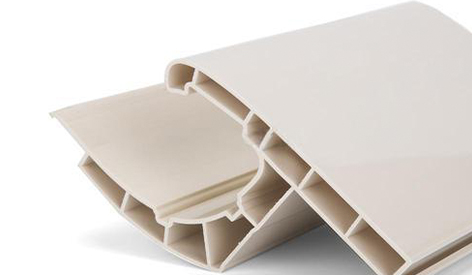
"PVC" is that white plastic you see in water pipes and window frames. A plastic pvc extrusion profile just means any shape made from PVC using this process. It's awesome because it's strong, doesn't rust, and can handle all kinds of weather. That's why it's perfect for window frames, fencing, and lots of outdoor building materials.
What's Next for Plastic Extrusion?
The world of plastic extrusion is always getting better! Companies are now focusing on:
Using Recycled Plastic: More and more, factories are using old, recycled plastic to make new products, which is much better for our planet.
Smarter Machines: Machines are getting smarter with computers and sensors, which helps make the plastic pieces even more perfect and with less waste.
New Materials: Scientists are creating new types of "green" plastics made from plants that can also be used in these machines.
In conclusion, plastic extrusion remains a cornerstone of modern manufacturing, facilitating the creation of a wide array of products through efficient processes and advanced equipment. From versatile extruded plastic shapes to specialized items like uhmw polyethylene tubes and plastic pvc extrusion profiles, this method offers unparalleled flexibility and reliability. The availability of stock plastic extrusions further broadens accessibility, supporting rapid deployment across various sectors. As the industry embraces new materials and technologies, plastic extrusion will undoubtedly continue to drive progress, underscoring its vital role in global supply chains and everyday life.

