


Plastic extrusion is a foundational manufacturing process in the polymer industry, enabling the mass production of continuous plastic profiles with consistent cross-sections. This method is pivotal for creating a vast array of products, from simple pipes to complex sheet materials. The core of this technology lies in the sophisticated machinery and methodologies designed to handle diverse thermoplastic materials. In this article, we will delve into the intricacies of plastic extrusion, exploring the equipment, specific machine types, materials, and processes that define this field. Understanding these elements is crucial for manufacturers aiming to optimize production efficiency, product quality, and innovation in sectors such as packaging, construction, and automotive industries. The evolution of extrusion technology continues to drive advancements, making it a dynamic area of industrial engineering.
content:
What is Plastic Extrusion?
The Main Machine: Plastic Extrusion Equipment
Different Kinds of Extruders
Special Machines for Unique Jobs
Materials Used in Plastic Extrusion
How Plastic Extrusion Works: The Types
What is Plastic Extrusion?
Plastic extrusion is a manufacturing process that turns raw plastic into useful items. Imagine you have a tube of toothpaste—when you squeeze it, the paste comes out in a long strip. Similarly, in extrusion, plastic is melted and pushed through a shaped opening called a die. This creates long items like pipes, sheets, or rods that are all the same shape. It's a bit like using a cookie press to make fancy cookies! This process is used in many industries, such as making toys, building materials, and packaging. By controlling how fast the plastic moves and how hot it gets, factories can produce strong, consistent products without wasting much material. It's a fun and efficient way to turn simple plastic into things we need.
The Main Machine: Plastic Extrusion Equipment
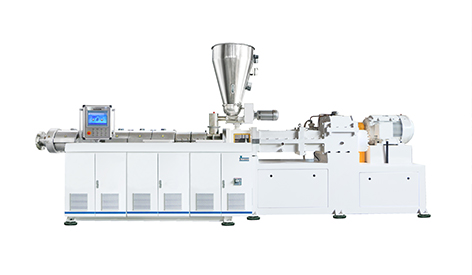
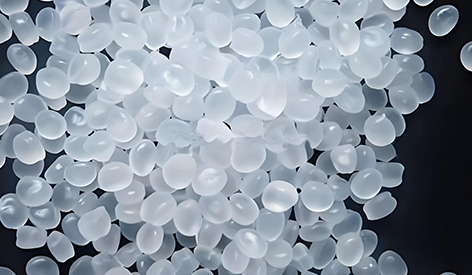
At the center of everything is the plastic extrusion equipment. Think of this as the main machine that does all the work. It has several parts that work together, just like a kitchen appliance. First, there's a hopper where plastic pellets—small pieces of raw plastic—are poured in. These pellets are like tiny beads that will be melted down. Next, the pellets go into a barrel where a screw turns and pushes them forward. As they move, heaters warm them up until they become a soft, gooey liquid. Finally, the melted plastic is forced through a die, which is like a mold that gives it a specific shape. Once it cools, we have a solid plastic product! Modern plastic extrusion equipment often has computers to control the temperature and speed, making sure everything comes out perfectly. This machine is the star of the show because it can make so many different things quickly and reliably.
Different Kinds of Extruders
Not all extruders are the same—they come in different types for different jobs. For example, a plastic sheet extruder is designed to make flat, wide sheets of plastic. These sheets are used for things like lunch boxes, signs, or even the clear windows in packages. This machine uses rollers to flatten the plastic and cool it evenly, so it's smooth and strong. Another type is a plastic pipe extruder, which makes hollow tubes for water pipes or drains. It has a special die that shapes the plastic into a circle, and it uses air or water to keep the size just right. Then there's the twin screw extruder, which is like a super mixer. Instead of one screw, it has two that work together to mix materials really well. This is great for adding colors or making the plastic stronger. Each of these machines is built for specific tasks, helping factories create exactly what they need.
Special Machines for Unique Jobs
Some extruders are made for very specific purposes. A pet extruder machine is used to handle a type of plastic called PET, which is common in soda bottles and food containers. PET can be tricky to work with because it needs just the right temperature to become clear and strong. This machine carefully melts and shapes it so that the final product is safe for holding drinks. On a smaller scale, a lab scale extruder is like a mini version used in science labs or schools. It lets researchers test new plastic ideas without using big, expensive equipment. With a lab scale extruder, they can try out different mixes and see how they behave before making lots of it. These special machines show how extrusion can be adapted for all sorts of cool projects, from everyday items to experiments.
Materials Used in Plastic Extrusion
The plastics used in this process, called plastic extrusion materials, are what make the products we see. Common types include PVC, which is tough and used for things like window frames; polyethylene, which is flexible and good for plastic bags; and polypropylene, which is strong and used in car parts. There are also materials that are better for the environment, like biodegradable plastics made from plants. Each type of plastic has its own personality—some melt easily, while others need more heat. Factories choose the right plastic extrusion materials based on what they're making. For instance, if they want something that won't break easily, they might pick a stronger plastic. By understanding these materials, manufacturers can create products that are safe, durable, and perfect for their job.
How Plastic Extrusion Works: The Types
There are many ways to do plastic extrusion, and these are known as the types of plastic extrusion. One popular type is sheet extrusion, where the machine makes flat sheets by pushing the melted plastic through a wide die and then cooling it with rollers. Another is pipe extrusion, which forms hollow tubes by using a round die and sizing tools to get the diameter just right. Blown film extrusion is used to make thin plastic films, like for grocery bags—here, air is blown into the plastic to stretch it into a bubble shape. Co-extrusion layers different plastics together to make products with special qualities, such as being extra strong or having a nice color. Profile extrusion creates custom shapes, like the seals around doors or unique toy parts. Each of these types of plastic extrusion has its own steps and tools, but they all follow the basic idea of melting and shaping plastic into something useful.
In conclusion, plastic extrusion technology represents a cornerstone of modern polymer processing, driven by sophisticated equipment and tailored approaches. From general plastic extrusion equipment to specialized machines like twin screw extruders and PET-focused systems, the industry continues to evolve with a focus on precision and sustainability. The interplay between materials and processes—such as those seen in lab scale extruders and diverse extrusion types—highlights the importance of holistic planning in production. As demand for innovative plastic products grows, advancements in extrusion will undoubtedly pave the way for more efficient, eco-friendly, and high-quality manufacturing solutions, solidifying its role in global industrial landscapes.

