


Your product needs to be affordable. But it cannot feel cheap. This is one of the biggest challenges in consumer product design. The material you choose is at the heart of this challenge.
Two of the most common heroes in this story are Polyethylene (PE) and Polyethylene Terephthalate (PET). You see them every day. They are the materials of milk jugs and water bottles.
Because they are so common, many designers dismiss them as "cheap." This is a mistake. In the hands of a skilled manufacturer, these everyday types of plastics can be transformed into premium products. This guide will show you how.
content:
The Challenge: Making 'Cheap' Feel 'Premium'
Polyethylene (PE): The Family of Flexibility
A Manufacturer's View on PE
PET: The Champion of Clarity and Strength
Beyond Bottles: PET's Hidden Talents
Making the Right Choice: A Partner's Advice
The Challenge: Making 'Cheap' Feel 'Premium'
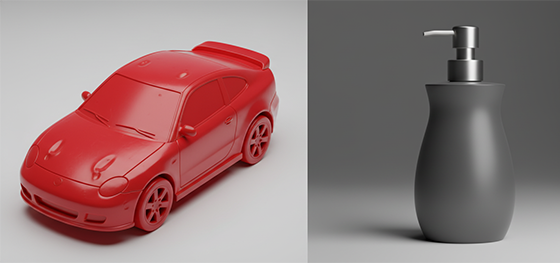
The perceived value of a product is not just in the raw material. It is in the execution. A product made from cheap plastic with a bad manufacturing process will feel cheap. It will have ugly parting lines, sink marks, and inconsistent color.
But a product made from the same affordable plastic, with a high-precision mold and a perfectly controlled process, can feel luxurious. The seams are invisible. The surface is flawless. The color is rich and uniform.
This is the secret. The manufacturer's skill is what unlocks the potential of cost-effective materials like PE and PET.
Polyethylene (PE): The Family of Flexibility
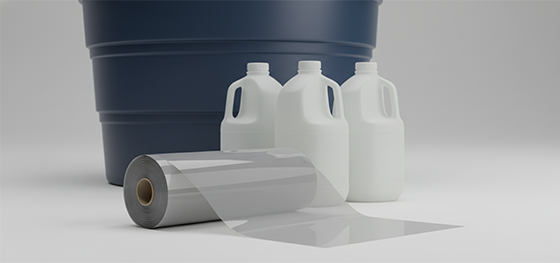
Polyethylene is a huge family of plastics. The personality of a plastic pe material is defined by its density.
Low-Density Polyethylene (LDPE) is very soft and flexible. It is used to make plastic bags and squeeze bottles.
High-Density Polyethylene, or hdpe plastic material, is much more rigid and strong. This is the material of milk jugs, shampoo bottles, and chemical drums. It has a slightly waxy feel and is naturally a milky white color. It is known for its excellent impact strength and chemical resistance.
There are other types too, like Ultra-High-Molecular-Weight (UHMW) PE, which is so tough it is used to make machine guards and even artificial joints.
A Manufacturer's View on PE
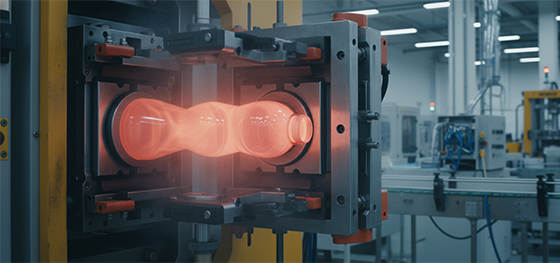
From a manufacturing standpoint, PE is a friendly material. It has a low melting point and flows easily. This makes it ideal for high-speed, high-volume processes.
The most common process for making PE containers is blow molding. A tube of hot plastic is inflated inside a mold, like a balloon. This is how billions of bottles are made cheaply and quickly.
HDPE is also excellent for CNC machining. It cuts cleanly and does not put a lot of wear on tools. It is a great choice for making durable, low-cost machined prototypes or functional parts like blocks and manifolds.
The challenge with PE is its appearance. It is difficult to paint or glue. A skilled manufacturer can create a premium feel by using a high-quality mold with a special textured surface (like a matte or sandblast finish). This gives the final part a sophisticated, non-plasticky look directly out of the mold.
PET: The Champion of Clarity and Strength
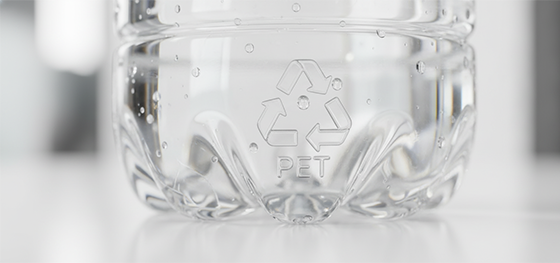
When you think of pet plastic material, you think of a clear water bottle. PET's superpower is its crystal clarity and its excellent ability to hold carbonation.
It is also much stronger and more rigid than PE. It has good dimensional stability, meaning it holds its shape well.
This combination of clarity, strength, and low cost makes it a dominant material in food and beverage packaging. For a cosmetics brand, a thick-walled PET jar can look and feel almost exactly like heavy, expensive glass, but without the risk of breaking.
Beyond Bottles: PET's Hidden Talents
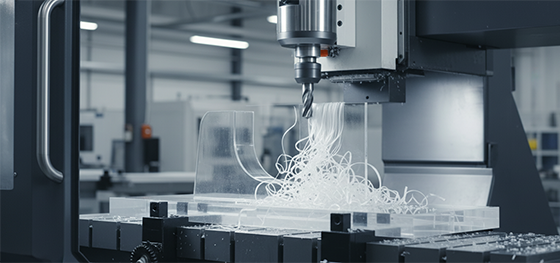
But PET is not just for bottles. A modified version, called PET-G, is a fantastic material for a completely different application: CNC machining.
PET-G is sold in thick, clear sheets. It is very easy to machine. It does not crack or chip like acrylic can. And it has good impact strength.
This makes it a perfect choice for making clear machine guards, see-through prototypes, or display stands. It offers glass-like clarity but with the durability and machinability of a tough plastic. This is a side of PET that many designers overlook.
Making the Right Choice: A Partner's Advice
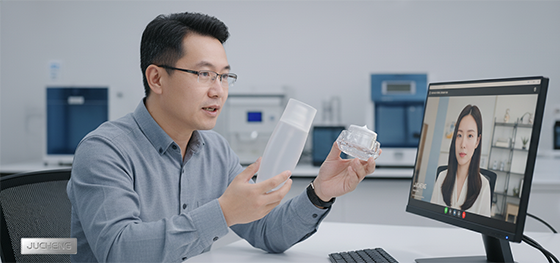
So, for your consumer product, should you choose PE or PET?
If you need flexibility, extreme toughness, or chemical resistance (like for a shampoo bottle), PE is the answer. If you need crystal clarity, rigidity, and a glass-like appearance (like for a luxury cream jar), PET is the better choice.
This is not always an easy decision. This is where a manufacturing partner with deep material knowledge can help. At JUCHENG, we work with these materials every day. We understand their personalities.
We can provide you with DFM feedback and material suggestions. We can help you choose the right material. And then we can apply our expert manufacturing process to make that affordable material look and feel like a million dollars.

