


An idea is not a product. An idea is a spark. A product is a carefully built, tested, and refined object that people can use. The journey from that spark to a real object is the process of product prototype development.
Many people think this journey is a single leap. It is not. It is a series of smart, deliberate steps. Each step uses a different kind of prototype to answer a different kind of question.
Understanding this evolution is the key to successful product creation. This guide will walk you through that journey, phase by phase.
content:
The 'Works-Like' Prototype: Proving the Concept
The 'Feels-Like' Prototype: Focusing on Ergonomics
The 'Looks-Like' Prototype: Perfecting the Appearance
Your Partner on the Journey
The 'Works-Like' Prototype: Proving the Concept

The first step in any new prototype development is to prove that your core idea actually works. This is called a "proof of concept."
At this stage, looks do not matter. The prototype is often ugly. It might be made from simple 3D printed parts, wood, and off-the-shelf components all screwed together.
Imagine designing a new coffee grinder. The first prototype's only job is to answer one question: Can the new burr set and motor grind coffee beans to the right consistency?
The enclosure for this prototype can be a simple, blocky FDM 3D print. It just needs to hold the internal parts in the right place. The goal here is speed and low cost. You need to learn as quickly as possible if your basic concept is viable.
This phase is about failing fast and cheap. You test the core function. You find problems. You fix them. Then you move to the next phase.
The 'Feels-Like' Prototype: Focusing on Ergonomics

Once you know your idea works, you need to focus on the user. How will a person interact with your product? This is the user experience phase.
For this, you need a much higher quality prototype. An ugly FDM print is not good enough. You need a part that has the correct weight, feel, and finish.
This is where a process like CNC machining is essential. Let's go back to our coffee grinder. Now we need to test the feel of the adjustment dial. We can CNC machine the dial from solid aluminum. This gives it a realistic weight and a smooth, precise feel when you turn it.
We can also machine the main body of the grinder. This allows us to test how it feels to hold. Is it too heavy? Is the grip comfortable? These are questions you can only answer with a realistic, high-fidelity prototype.
This stage of product prototype development is about refining all the physical touchpoints of your design.
The 'Looks-Like' Prototype: Perfecting the Appearance
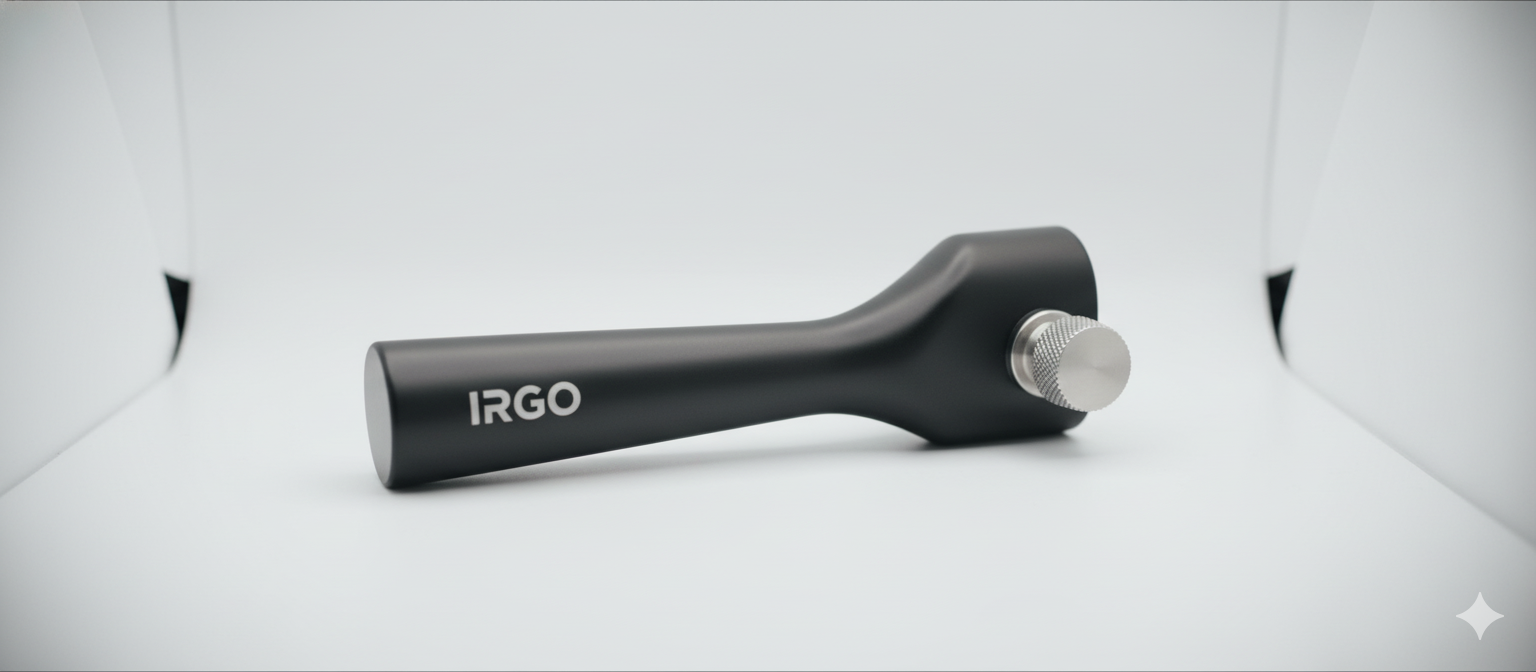
The final phase before production is about creating a perfect visual model. This is the prototype you will use for marketing photos. It is the one you will show to key investors or buyers.
This prototype must look exactly like the final product. It needs perfect paint. It needs logos and text applied with silkscreening. Every detail must be flawless.
This is often called an "appearance prototype." The parts might still be made with CNC machining or even SLA 3D printing. But the key is the post-processing. A huge amount of skill goes into sanding, painting, and finishing these parts to perfection.
For our coffee grinder, this would be a fully assembled unit. It would have a perfect matte black finish. The logo would be crisp and clear. The aluminum dial would have a beautiful brushed texture. It would be impossible to tell that it is not a final production unit.
Your Partner on the Journey
This journey from a simple idea to a perfect final prototype requires many different skills. It needs different manufacturing technologies at each phase.
This is why it is so important to choose a manufacturing partner who can support you through the entire process. A good partner is not just a 3D printing shop. Or just a CNC machine shop.
A true partner, like JUCHENG, has a full range of capabilities. We can make your fast and cheap FDM models for the early stage. We can make your high-precision CNC parts for the mid stage. And our expert finishing department can create your beautiful appearance models for the final stage.
We are here to be your guide through every step of the product prototype development journey. We help you answer the right questions at the right time. This is how great products are made.

