


Paying five figures for a custom steel mold just to test ten early-stage hardware components represents absolute financial suicide. Hardware startups often assume they must commit to massive tooling investments during their initial R&D cycles. Managing your prototype die casting cost successfully requires bypassing these massive capital barriers completely. Finding the right intermediate manufacturing pathway ensures your aircraft or medical device survives functional validation without draining your entire development budget.
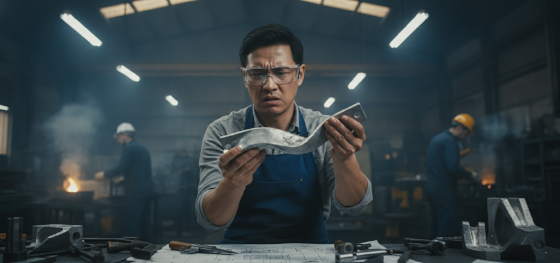
Defaulting blindly to permanent tooling is a dangerous trap. Every single geometric complexity and tight tolerance on your drawings directly inflates your initial die casting mold cost. Understanding how to bypass these upfront expenses determines whether your final die casting cost remains commercially viable or collapses under heavy debt.
Balancing development speed with uncompromising safety requirements defines modern uncrewed vehicle and medical hardware engineering. Let's dissect the physical challenges of the ten-unit dilemma, compare the best rapid alternative methods, and explore how to transition smoothly into low-volume manufacturing.
content:
Developing Early Prototypes: The 10-Unit Dilemma
Cost-Effective Alternatives: Balancing CNC and Polyurethane Casting
Bridge-to-Production: Transitioning to Modular Tooling
Turnkey Prototyping: Accelerating Hardware Launch Timelines
FAQ: Honest Answers About Prototype Tooling and Verification
Developing Early Prototypes: The 10-Unit Dilemma
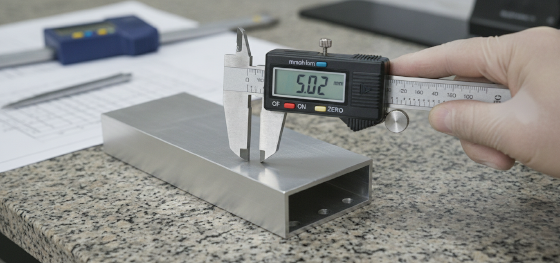
Why do traditional foundries refuse to run small-batch prototyping cycles?
Because setting up massive industrial presses for a run of only ten parts is highly inefficient and unprofitable under traditional high-pressure injection business models.
Scraping together a budget for a complete steel die just to test fitment makes zero commercial sense. If your design contains a single geometric error, that expensive mold becomes completely useless, forcing you to pay for another round of modifications.
Managing your initial prototype die casting cost requires evaluating whether you genuinely need injected metal. Most R&D teams can easily collect their necessary aerodynamic and structural data using alternative, lower-risk rapid fabrication methods.
Cost-Effective Alternatives: Balancing CNC and Polyurethane Casting

How do engineers validate structural integrity and fitment without buying any molds?
By deploying high-speed subtractive milling for solid metallic strength or utilizing silicone molds to pour high-fidelity polyurethane parts that mimic commercial plastics.
Carving your structural components directly from solid aluminum billets provides absolute mechanical truth. Utilizing advanced 5-axis CNC machining delivers the exact tensile strength, thermal conductivity, and structural rigidity your final commercial product will possess, completely bypassing mold debts.
Producing complex cosmetic outer shells requires a different approach. Utilizing vacuum casting pours liquid polymers under deep vacuum pressure into flexible silicone molds, delivering flawless, injection-molded quality for desktop electronics housings at a fraction of the cost.
Bridge-to-Production: Transitioning to Modular Tooling
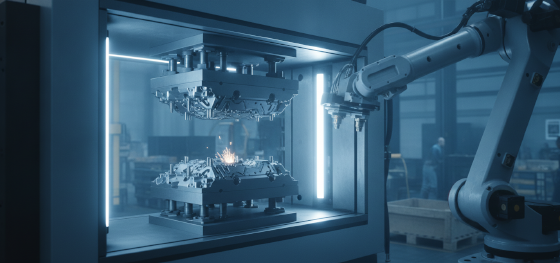
Comparing different fabrication technologies based on your current engineering goals prevents massive budget overruns. The technical matrix below outlines how different rapid methods support specific developmental milestones.
| Developmental Phase | Best Technology Choice | Key Prototyping Advantage |
|---|---|---|
| 1 to 50 Units (R&D) | 5-Axis CNC Machining | Zero mold debt, instant modifications, real aerospace alloys. |
| 50 to 200 Units (Beta) | Vacuum Casting (Polyurethane) | Flawless injection-molded aesthetics for investor pitches. |
| 200 to 2,000 Units (Pilot) | Rapid Tooling (Alu Molds) | Bridges the gap to production with real high-pressure metals. |
Moving past the early prototyping phase demands a structured bridge to volume production. We help hardware teams navigate this transition seamlessly by deploying custom rapid tooling built specifically for low-volume trials and clinical certifications.
Utilizing pre-machined modular mold bases allows us to cut only the specific cavity inserts required for your unique design. This method eliminates raw steel waste, reduces our CNC cutting time by weeks, and slashes your overall prototype die casting cost by up to sixty percent.
Turnkey Prototyping: Accelerating Hardware Launch Timelines
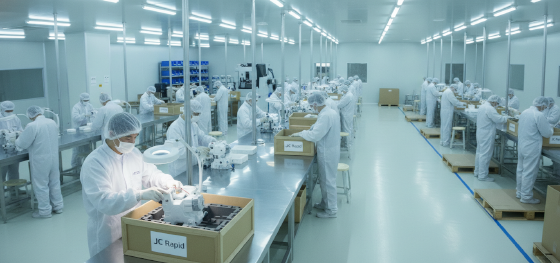
Shipping raw machined parts to a separate paint shop introduces severe logistical friction and transit damage. Fragmented supply chains inevitably result in scratched surfaces and compromised watertight seals before the hardware even reaches final assembly.
Consolidating your entire physical prototype build inside our massive turnkey hub eliminates this toxic liability. JC Rapid executes the heavy milling, precise laser cutting, and final powder coating completely under one integrated factory roof.
Stop risking your flight hardware on unverified, slow-delivery vendors. Send your complex CAD assemblies to our engineering department today for a rigorous DFM analysis to secure your first flight successfully.
FAQ: Honest Answers About Prototype Tooling and Verification

Does a cheap aluminum mold last long enough to support our beta trials?
Yes, aluminum molds are incredibly cost-effective for low-volume runs, comfortably surviving several thousand shots before thermal fatigue begins to slowly degrade the cavity surface.
Can I use a 3D-printed plastic model to test my device's thermal exhaust limits?
Plastics trap heat violently. We highly advise against using basic printed polymers for thermal testing; you must utilize CNC-milled aluminum to accurately validate thermodynamic heat dissipation.
Why do some raw prototypes warp aggressively after a few months of factory use?
Cheap brokers often use un-annealed plastics that retain deep internal manufacturing stress. We strictly utilize stress-relieved billets to guarantee lifelong dimensional stability.
Will the final mass-produced parts look identical to the early test models?
Partnering with a turnkey factory ensures absolute visual consistency. We utilize the exact same chemical anodizing and powder coating lines for your beta units as we do for your final retail batches.

