


Milling a massive four-unit server box out of solid aluminum blocks completely destroys your hardware budget. Procurement teams scaling telecommunications infrastructure desperately need cost-effective alternatives for massive electronics housings. Executing hybrid Rackmount chassis fabrication blends heavy-duty plate folding with precision front-panel milling to slash your unit costs instantly. Relying entirely on cheap, flimsy stamped metal guarantees your expensive servers will simply sag and warp under their own extreme weight when suspended in a cabinet.
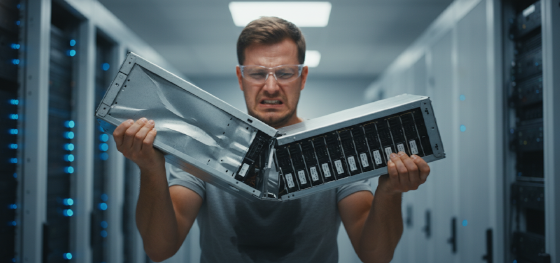
Heavy processing equipment demands unyielding structural support to survive inside dense data centers. Integrating precise Custom electronic enclosure CNC machining specifically for the load-bearing mounting ears ensures your heavy hardware locks flawlessly into standard server racks. Forcing these drastically different manufacturing techniques to align perfectly requires incredible factory control.
Navigating these massive geometric builds separates true contract manufacturers from basic machine shops. Let's dissect why hybrid manufacturing dominates the telecom sector, how powerful lasers handle complex cooling vents, and why thick powder coats remain absolutely mandatory for server survivability.
content:
Standard Constraints: Understanding 1U to 4U Dimensions
Sheet Metal Superiority: Laser Cutting and Hydraulic Bending
Hybrid Construction: Integrating Milled Front Panels
Cosmetic Defense: Why Powder Coating Beats Liquid Paint
JUCHENG Hub: End-to-End Turnkey Fabrication
FAQ: Honest Answers About Rail Mounts and EMI
Standard Constraints: Understanding 1U to 4U Dimensions
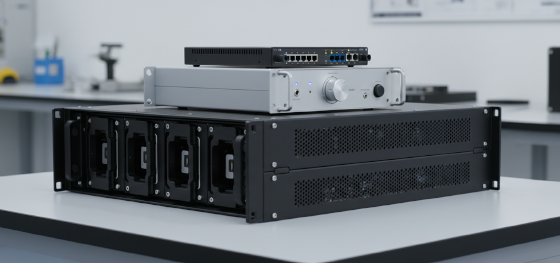
Why must custom telecommunications equipment strictly follow rigid external dimensions?
Data centers utilize standardized server cabinets that mandate exact geometric mounting heights and specific screw-hole alignments to prevent chaotic infrastructure layouts.
Designing equipment for these environments requires absolute adherence to standard unit sizing, typically ranging from ultra-slim 1U network switches to massive 4U data storage arrays.
Violating these strict external constraints means your commercial product physically cannot be installed into a client's server room, rendering the expensive hardware completely unsellable to enterprise buyers.
Sheet Metal Superiority: Laser Cutting and Hydraulic Bending
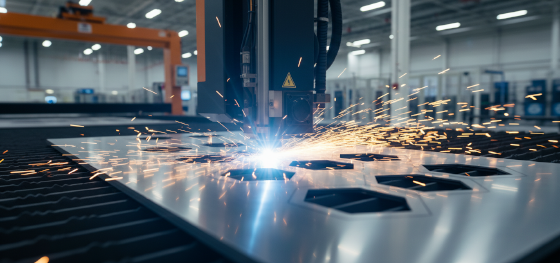
How do factories build massive metal boxes without spending hundreds of hours milling solid billets?
Engineers utilize advanced Sheet Metal Fabrication techniques, deploying high-speed lasers to slice flat plates before powerful hydraulic brakes fold them into rigid three-dimensional boxes.
Carving thousands of tiny ventilation holes for server cooling fans takes hours on a standard rotary mill. Laser cutting punches through thick steel and aluminum instantly, accelerating production speeds exponentially and slashing your unit price.
Folding metal correctly requires immense physical force and precise mathematical calculations. Bending equipment must ensure the folded corners maintain exact ninety-degree angles to guarantee your internal circuit boards slide in without severe mechanical binding.
Hybrid Construction: Integrating Milled Front Panels
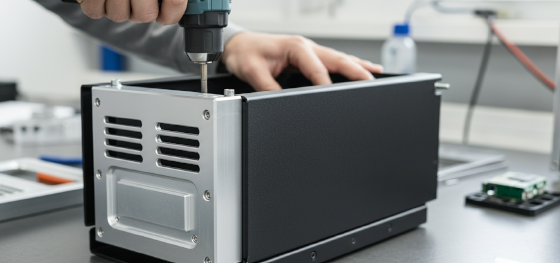
Why do high-end audio and server brands demand thick, heavily machined front faceplates?
Folded plates look inherently industrial and cheap; attaching a thick, custom-milled aluminum front panel instantly elevates the perceived retail value while providing unyielding structural mounting points.
Combining heavy folding capabilities with subtractive milling creates the ultimate commercial compromise. You secure the incredible cost savings of a folded body paired perfectly with the luxurious tactile feel of a solid milled faceplate.
Milling the front panel allows designers to carve incredibly complex, recessed pockets for sensitive OLED displays and heavy-duty toggle switches that thin folded walls simply cannot physically support without bending.
Cosmetic Defense: Why Powder Coating Beats Liquid Paint
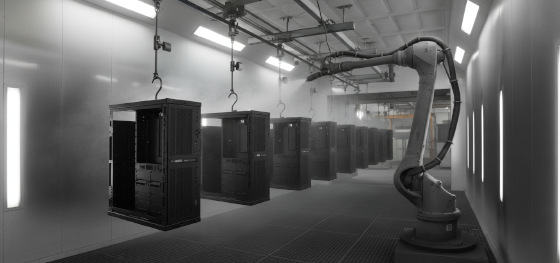
Why do server chassis manufacturers actively avoid spraying wet paint on telecommunications equipment?
Servers get aggressively shoved into tight metal rails during installation, causing delicate wet paint to instantly scratch and peel off, exposing the raw metal beneath to rapid oxidation.
Applying heavy-duty electrostatic powder coating solves this abrasive nightmare completely. The baked polymer shell acts like indestructible plastic armor, surviving brutal rack installations without showing a single visible scratch.
Specifying a rough, textured matte-black finish also perfectly hides minor folding inconsistencies, keeping your commercial equipment looking flawlessly premium even under harsh data center lighting.
JUCHENG Hub: End-to-End Turnkey Fabrication
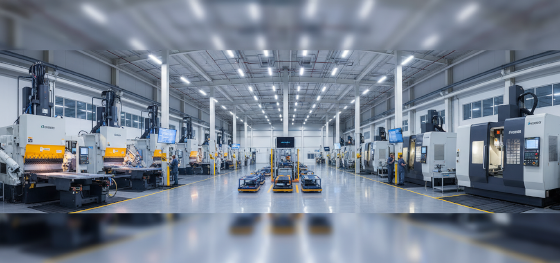
Why should hardware founders keep their plate folding and CNC milling inside the exact same factory?
Fragmenting your supply chain guarantees the folded body will never perfectly align with the custom milled front panel, creating massive, ugly geometric gaps during final assembly.
Operating our massive precision manufacturing hub allows Jucheng Precision to execute the laser slicing, hydraulic folding, heavy milling, and final powder coating completely under one integrated roof.
Stop paying for disjointed logistics and ruined hardware assemblies. Send your complex server blueprints to our engineering team today for a rigorous DFM analysis and secure flawless commercial racking systems.
FAQ: Honest Answers About Rail Mounts and EMI
Does folding metal create gaps that leak electromagnetic interference?
Standard bent corners can leak radio noise. We strategically overlap the plate joints and deploy specialized conductive gaskets to seal the chassis and maintain strict FCC shielding compliance.
Can I specify stainless steel for extreme corrosive environments?
Absolutely. While lightweight alloys remain the industry standard for server rooms, we frequently laser cut and fold heavy stainless steel for maritime and harsh industrial control systems.
Will heavy internal batteries cause the folded bottom plate to sag?
We engineer specific reinforcing structural ribs and utilize significantly thicker gauge metal for the foundational bottom plates to easily support massive power supplies and dense battery arrays.
Do you pre-install the sliding rail mounts before shipping the units?
Yes. Our turnkey assembly technicians can securely install all necessary telescoping rail hardware, grounding studs, and threaded standoffs directly into the chassis before global delivery.

