


Dropping expensive field equipment into thick mud or deep water destroys sensitive motherboards instantly. Relying on basic 3D printed plastics for extreme outdoor validation guarantees catastrophic moisture leaks during environmental testing. Machining a heavy-duty Rugged enclosure prototype provides the absolute physical truth about your design's survival capabilities. Cheap materials flex under stress, instantly warping the critical seams and allowing harsh weather to flood your electronics.
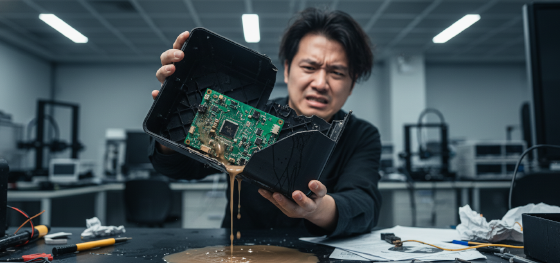
Procurement teams often waste massive capital testing weak structures that cannot hold strict compression tolerances. Sealing out high-pressure water requires flawless Custom electronic enclosure CNC machining to carve microscopic channels that compress rubber gaskets perfectly. Operating our precision manufacturing hub in Shenzhen allows our engineers to validate these brutal physical limits before you invest heavily in mass production.
Freezing your commercial blueprint without testing physical impact resistance invites massive warranty claims. Let's dissect how precise sealing channels defeat deep water, why dense alloys crush standard plastics, and how validating a prototype enclosure accelerates your global product launch.
content:
Defeating Moisture: The Physics of Waterproof Defense
Material Selection: Aerospace Alloys vs Advanced Plastics
Prototyping First: Avoiding Catastrophic Tooling Disasters
Assembly and Machining Under One Factory Roof
FAQ: Honest Answers About Submersion and Impact Testing
Defeating Moisture: The Physics of Waterproof Defense
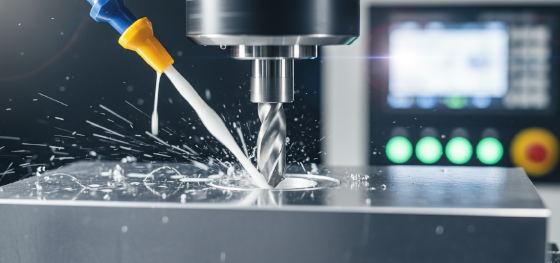
Achieving strict IP67/IP68 waterproof ratings requires mastering hydraulic pressure dynamics completely. Water violently seeks out the weakest microscopic gaps in your assembly, actively pushing past cheap silicone sealants and ruining internal batteries within seconds of submersion.
Designing impenetrable barriers means cutting precise O-ring compression grooves directly into the solid chassis. Subtractive CNC milling guarantees these critical channels remain mathematically perfect, ensuring the rubber gasket compresses exactly twenty percent to block high-pressure moisture.
Flimsy structural materials bend and flex under heavy water pressure, releasing the gasket tension and causing instant floods. Securing absolute environmental defense requires rigid, unyielding foundational materials that refuse to deform under massive external loads.
Material Selection: Aerospace Alloys vs Advanced Plastics
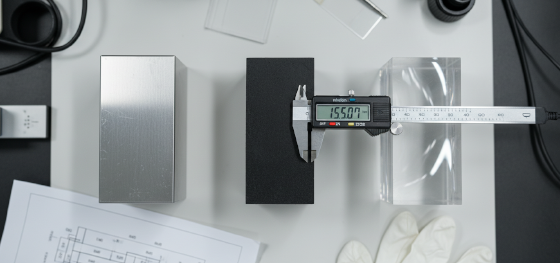
Why do field engineers strictly demand specific metals for impact survival?
Solid aerospace aluminum absorbs brutal kinetic shocks effortlessly, protecting fragile internal sensors from shattering during violent drops onto solid concrete surfaces.
Heavy metals provide unbelievable durability but add significant weight to portable devices. Swapping metal for high-strength engineering plastics like PEEK or PC delivers incredible impact resistance while shedding massive amounts of dead weight for handheld diagnostic tools.
Balancing carrying weight against crushing forces dictates your ultimate material choice. We physically test these advanced materials inside our Shenzhen facility, ensuring your final Rugged enclosure prototype matches your exact commercial operating environment perfectly.
Prototyping First: Avoiding Catastrophic Tooling Disasters
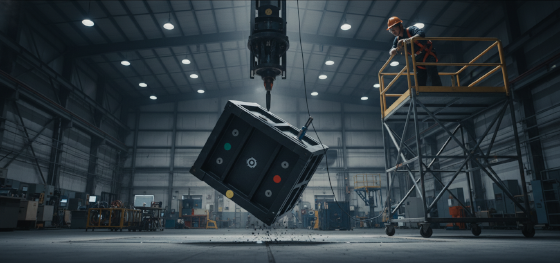
Cutting massive steel injection molds before physically validating your waterproof seals represents absolute financial suicide. Discovering a geometric leak after paying fifty thousand dollars for a permanent steel tool destroys your entire hardware budget immediately.
Milling a physical test unit from solid billet allows hardware teams to submerge the actual design in pressurized water tanks. Finding microscopic leaks during this early phase saves months of expensive mold-rework delays and protects your brand reputation.
Iterating rapidly using direct subtractive manufacturing allows your engineers to adjust groove depths and screw placements daily. You lock down the ultimate watertight geometry mathematically before ever committing to high-volume commercial production.
Assembly and Machining Under One Factory Roof
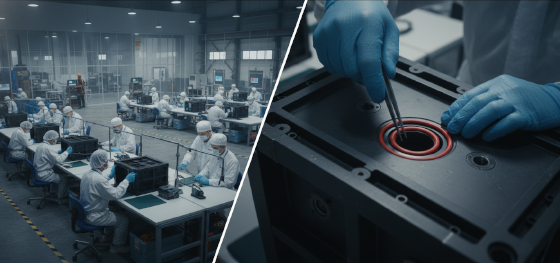
Fragmenting your supply chain exposes delicate sealing surfaces to severe transit damage. Shipping raw metal across town invites deep scratches that will permanently ruin the watertight O-ring grooves before final assembly even begins.
Consolidating your machining and testing inside one facility eliminates this toxic logistical friction. We mill the raw aluminum, apply anti-corrosion chemical coatings, and verify the physical tolerances completely under one roof at JC Rapid.
Stop risking your sensitive electronics inside leaky, unverified plastic boxes. Send your sophisticated CAD assemblies to our engineering team today. We analyze the sealing physics, optimize the compression ratios, and deliver indestructible field-ready hardware.
FAQ: Honest Answers About Submersion and Impact Testing
Can you achieve high waterproof ratings using basic 3D printed plastics?
No. Standard filament printing leaves microscopic layer lines that absorb and leak water continuously. Resins offer slightly better sealing but generally shatter violently upon impact during drop testing.
Does applying hard anodizing change the dimensions of my O-ring grooves?
Yes, protective chemical coatings add measurable thickness to the metal. We mathematically oversize the CNC cutting paths beforehand to compensate precisely for this chemical growth.
Will a heavy solid aluminum box interfere with internal GPS or Wi-Fi antennas?
Solid metal acts as a Faraday cage, completely blocking internal radio frequencies. We strategically design hybrid assemblies using robust plastic domes to allow signal transmission while maintaining heavy structural defense.
Why do some enclosures leak only after sitting in the sun for hours?
Extreme thermal expansion warps mismatched materials at different rates. If a plastic lid expands faster than the metal base, the sealing gasket loses compression instantly, allowing water to breach the gap.

