


Consolidating multiple flat components into a fully integrated, functional hardware system requires far more than basic laser cutting and folding. Specifying custom sheet metal assemblies provides your equipment with the necessary structural rigidity and space efficiency to house delicate printed circuit boards, sensors, and wire harnesses safely. This advanced mechanical integration represents a critical milestone in custom sheet metal fabrication, directly determining whether your completed hardware mounts smoothly or binds under structural stress.
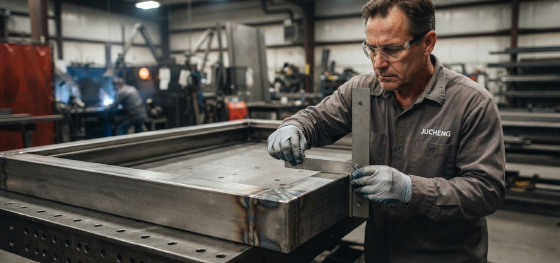
Suffer from cumulative dimensional variations that force assembly operators to manually grind, file, or force-fit separate panels on your production line? When complex server rack chassis or medical enclosures are modeled without pre-calculating the physical properties of weld shrinkage, folding springback, or fastener clearances, the resulting component stack-up will pull critical mounting holes out of tolerance. Proactively managing these mechanical interface variables is the best way to secure your product quality.
Let's explore the physical definition of complex structural components, analyze the structural differences between mechanical enclosures and heavy weldments, and review the industrial applications that rely on precise multi-part integrations.
What Defines a Sheet Metal Assembly?

What is the difference between a single sheet metal part and a complete assembly?
A single part is a flat or folded plate fabricated from a single sheet, whereas an assembly integrates multiple distinct parts into a unified, functional unit using permanent or mechanical joints.
Understanding the mechanical boundaries of sheet metal assemblies is essential to optimizing your product development workflows. While a single piece is highly cost-effective to cut and bend, a complete assembly is an integrated system designed to perform a specific physical role, such as shielding high-voltage electronics or supporting heavy machinery loads.
These integrated units require diverse joining methods to secure the separate elements. If the components are welded, they become a permanent structure that cannot be disassembled; if they are connected using threaded self-clinching hardware or rivets, they provide a modular, serviceable platform that simplifies field maintenance and upgrades.
Common Types of Assemblies We Manufacture
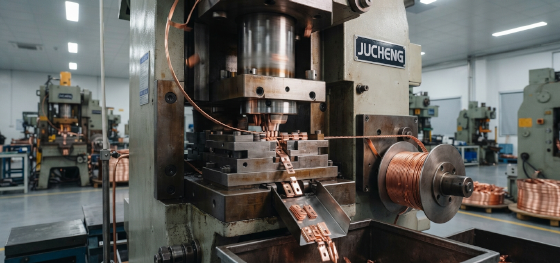
What are the primary classifications of multi-part metal assemblies used in industrial hardware?
We classify assemblies into structural weldments for maximum permanent strength, mechanical enclosures for environmental protection, and complex sub-assemblies for modular system integration.
To optimize your manufacturing budget, understanding how different assembly styles dictate your processing path is vital. Each classification requires specialized welding setups, hardware insertion, or custom alignment fixtures on the shop floor. Selecting the incorrect joint style can unnecessarily drive up your manual labor bills. We categorize these assemblies into three standard groups:
| Assembly Category | Primary Joint Methods | Key Structural Benefits | Typical Application |
|---|---|---|---|
| Modular Sub-assemblies | Threaded hardware, PEM inserts, pop rivets | Highly serviceable, zero heat distortion | Card guides, mounting brackets, battery contacts |
| Heavy Weldments | MIG / TIG structural welding, spot welding | Permanent solid bonds, watertight seals | Industrial frames, heavy machinery bases |
| Mechanical Enclosures | Hybrid (Spot welding + hardware insertion) | IP65 dustproofing, excellent EMI shielding | IT server racks, medical cabinets, junction boxes |
Whether your project requires lightweight aluminum brackets or heavy structural steel base frames, we match each assembly type to its optimal process path. For high-volume electronic chassis, we utilize automated turret punching and pneumatic hardware presses to install self-clinching fasteners rapidly; for heavy industrial weldments, we execute full-penetration MIG/TIG welding under precise fixtures to ensure long-term structural integrity.
Industries Relying on Precision Assemblies
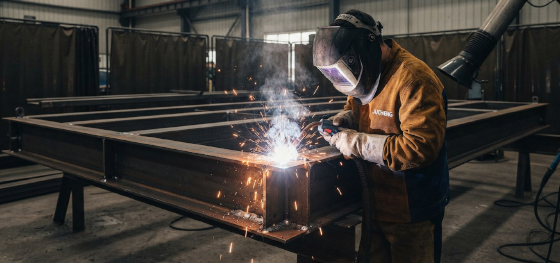
Which high-spec industries require certified, tight-tolerance multi-part metal assemblies?
Medical, automotive, telecommunications, and aerospace industries rely on certified assemblies to satisfy strict safety, environmental shielding, and dimensional standards.
High-precision assemblies are the backbone of modern healthcare and automotive electronics. In the medical field, surgical instrument carts and diagnostic analyzer chassis must be completely sterile and bio-compatible. We execute precise passivation and bead blasting over stainless steel assemblies, ensuring that the finished product can survive continuous chemical washdowns without rust.
Similarly, automotive battery brackets and electric vehicle charging cabinets must survive severe road vibrations. We utilize high-speed spot welding and dual-layer powder coatings over galvanized steel plates, providing a durable, vibration-resistant structure with excellent electrical grounding paths. This strict environmental protection ensures that your assemblies maintain their physical performance under continuous field stress.
High-Volume and Low-Volume Assembly Capabilities at Jucheng
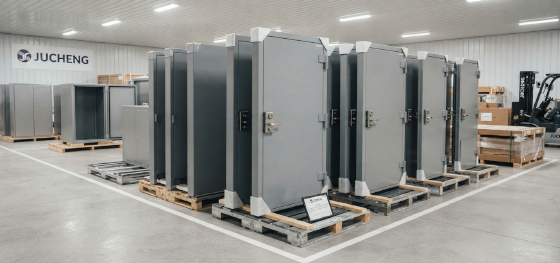
How does Jucheng Precision deliver competitive assembly services from prototypes to production?
We manage cutting, bending, welding, and final packaging under a unified quality system, utilizing our standard tooling library to bypass mold fees.
Why pay premium prices for scattered processing? At Jucheng Precision, we manage every single fabrication and assembly stage under one roof. This integrated process capability keeps our overall sheet metal design tolerances remarkably low, ensuring that your parts are cut, formed, welded, and integrated with zero dimensional drift.
We process a wide range of materials, including lightweight aluminum, high-yield stainless steel, and easily formable carbon steel during high-precision sheet metal fabrication cycles. Our technical department provides a 24-hour free DFM analysis to check your CAD models, checking tolerances and hinge clearances before production. Supported by our no MOQ policy and rapid delivery guarantee, we manage your project from initial flat pattern cutting to final, high-durability powder coating and assembly.
FAQ: Critical Questions About Sheet Metal Assemblies
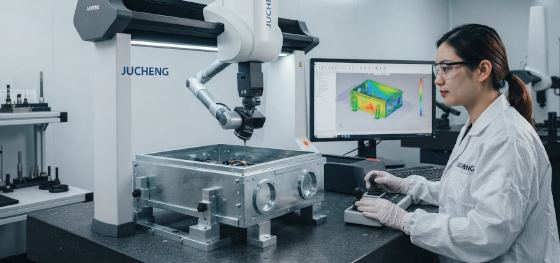
Our engineering team has compiled professional solutions to the most common quality and cost challenges faced during industrial finishing runs:
What is the difference between a single sheet metal part and a complete assembly?
A single part is a flat or bended plate fabricated from a single sheet of metal, whereas an assembly integrates multiple distinct parts into a unified, functional unit using permanent welding or mechanical fasteners. Assemblies are typically fully verified box-build systems ready for immediate electronic integration, whereas single parts are loose hardware components.How do you prevent cumulative tolerance stack-up in complex sheet metal assemblies?
We prevent stack-up by utilizing advanced 3D unfolding software to calculate exact material elongation parameters, and by utilizing high-precision assembly fixtures to secure parts during welding or riveting. This ensures that minor bending drifts do not misalign critical mounting holes, maintaining extreme geometric consistency across large runs.Does Jucheng Precision charge extra tooling fees for standard assembly hardware?
Absolutely not. Jucheng Precision maintains an extensive in-house library of standard, high-grade self-clinching PEM nuts, standoffs, and rivets. If your designs utilize standard industrial dimensions, we can process and assemble your custom cabinets immediately, allowing you to bypass any custom tooling or NRE mold expenses completely.How does Jucheng Precision prevent surface scratching and rust during the assembly of custom sheet metal assemblies?
We protect the soft surfaces of raw aluminum and polished stainless steel sheets during assembly by utilizing specialized protective masking films and soft assembly tables. This completely prevents metal-on-metal friction and hand-oil staining, while our certified post-treatment lines apply high-durability powder coatings to ensure complete rust protection before final shipping.

