


The term silicone rapid prototyping is important. But what does "rapid" really mean? It does not mean the parts are made instantly. It means there is a fast and efficient process to get high-quality, flexible parts in your hands. Usually in just a few days.
This speed is critical. It allows you to test your ideas quickly. It helps you find problems faster. It lets you get your product to market before your competitors. This guide will break down the entire process. It will show you how speed and quality work together.
content:
Why Speed Matters
The Core Process: A Step-by-Step Breakdown
The Foundation of Speed: The Master Pattern
What is a Realistic Timeline?
Who Needs This Speed?
Why Speed Matters
In product development, time is money. A delay of one week can cost a lot. A fast silicone rapid prototyping process gives you a big advantage.
Think about developing a new wearable device. The device needs a soft, flexible wristband. You need to test how it feels on a person's skin. You need to test the buckle mechanism. You need to get feedback from real users.
If it takes a month to get a prototype, your project slows down. But if you can get a high-quality silicone prototype in a week, you can learn and make changes much faster. This is the power of a rapid process. It accelerates your entire development cycle.
The Core Process: A Step-by-Step Breakdown
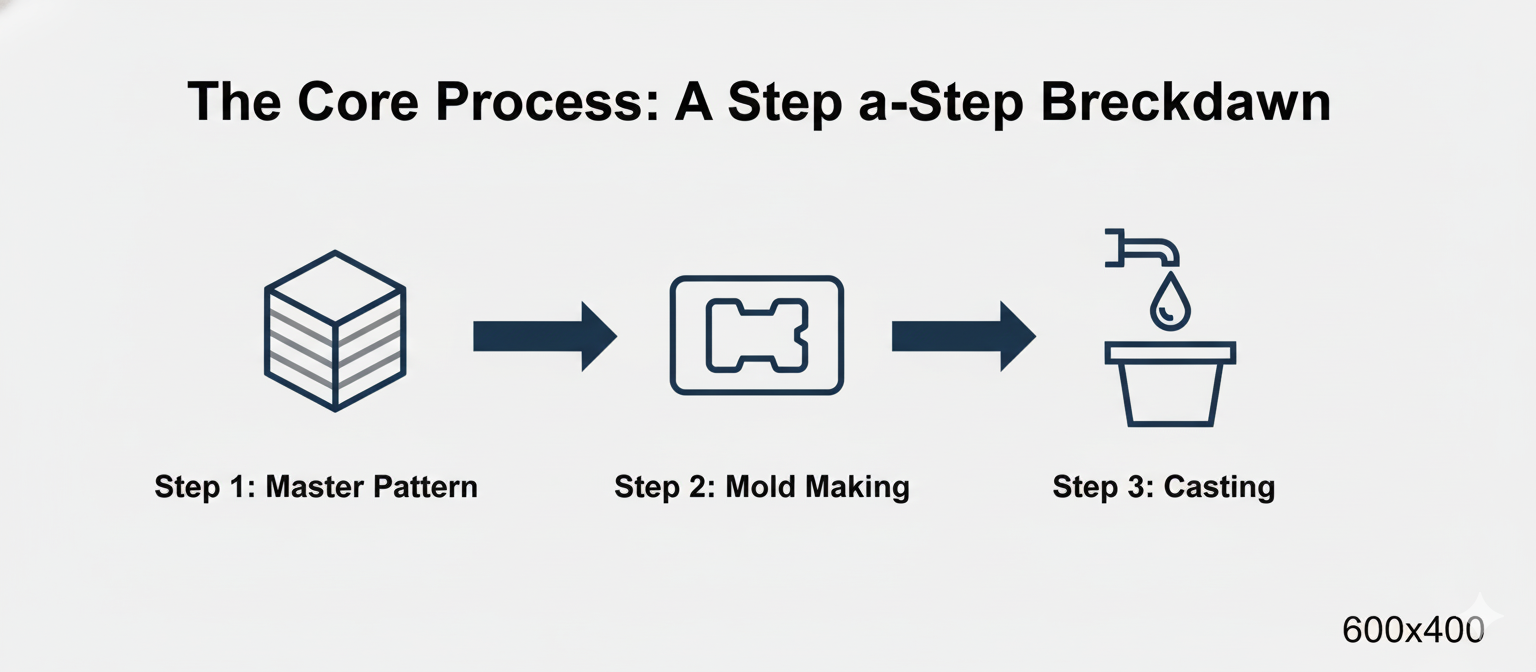
The main technology for silicone rapid prototyping is vacuum casting. It is a very reliable process. It has three main stages.
Stage 1: The Master Pattern
Everything starts with the master pattern. This is a perfect, solid model of your part. The quality of this pattern is critical. The final silicone part is a direct copy of it. Any flaw on the pattern will be in the final parts.
Stage 2: The Silicone Mold
Next, we make a mold from the master pattern. We place the pattern in a box. We pour liquid silicone rubber over it. This cures into a solid, flexible block. We then carefully cut this block open to remove the master pattern. What is left is a mold. It has an empty cavity inside that is the exact shape of your part.
Stage 3: The Casting
This is the final manufacturing step. We mix a liquid silicone material that will become your final part. We place the mold inside a vacuum chamber. Then we pour the liquid silicone into the mold. The vacuum removes all the air bubbles. This is very important for quality. After the mold is filled, it goes into an oven to cure. Once cured, we open the mold and take out your finished silicone prototype part.
This process is repeatable. A single mold can usually make about 15 to 25 copies.
The Foundation of Speed: The Master Pattern
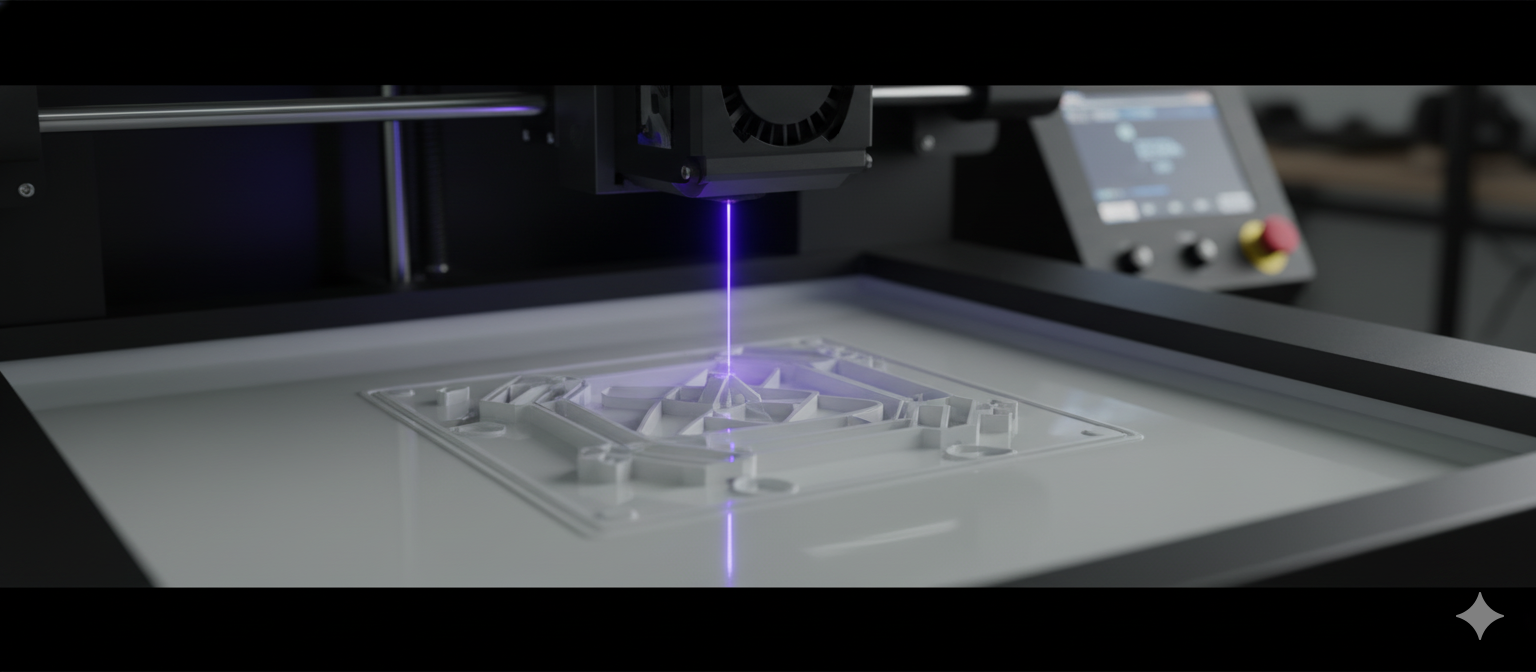
The whole process can be fast. But the speed of the first step, making the master pattern, is very important. This is where modern technology helps a lot.
We use two main methods to make master patterns very quickly.
High-Speed CNC Machining:
If the part design is simple, we can use a 5-axis CNC machine. We can machine the pattern from a solid block of plastic in just a few hours. The surface finish from a good CNC machine is very smooth. This is perfect for making a high-quality mold.SLA 3D Printing:
If the part has very complex shapes, 3D printing is faster. We use a technology called SLA. SLA uses a laser to draw the part in a vat of liquid resin. It can build complex shapes overnight while the factory is closed. High-resolution SLA printers produce parts with an extremely smooth surface. This is also perfect for making a high-quality mold.
By using these fast technologies for the master pattern, we can start making the mold on the next day. This is a key part of what makes the whole process "rapid."
What is a Realistic Timeline?

So how long does the entire silicone rapid prototyping process take? Here is a typical timeline.
Day 1: Design Review and Master Pattern.
We receive your CAD file. Our engineers review it and give you feedback. Once you approve, we start making the master pattern. This usually finishes overnight.Day 2-3: Mold Making.
We use the finished master pattern to create the silicone mold. The silicone rubber needs time to cure properly in the oven. This step usually takes one to two days.Day 4-5: Casting and Finishing.
We start casting your parts. We can usually make several parts in one day. We also do any finishing work. Like trimming any small extra material. We then inspect every part.Day 6-7: Shipping.
We pack your finished Silicone prototype parts and ship them to you.
So, from sending your file to having parts in your hands, the process often takes about one week. This is very fast. It gives you the ability to test and iterate your design quickly.
Who Needs This Speed?
Many industries need this fast process.
Consumer Electronics:
Companies making new earbuds, remote controls, or smart speakers need to test the feel of soft buttons and seals. The market moves very fast. Speed is a big advantage.Medical Devices:
A startup developing a new medical device needs to get prototypes to doctors for feedback. A faster process means they can get this feedback sooner.Wearable Technology:
For any product that touches the body, like a fitness tracker or a smart ring, the feel is critical. Silicone rapid prototyping allows designers to test many different shapes and hardness levels quickly to find the most comfortable design.
A fast, reliable process is a powerful tool. It reduces risk. It saves time. It helps you create a better product. Understanding this process helps you work better with your manufacturing partner. It helps you plan your project and meet your deadlines.

