


Your new product needs a soft handle. Or a flexible seal. Or a button that feels good to press.
You make a prototype from 3D printed plastic. It looks right. But it feels wrong. It is hard. It is rigid. It does not bend.
The prototype fails. It does not give you the information you need. This is a common problem. Hard prototypes cannot solve every problem. Sometimes, you need a silicone prototype.
This guide will explain when and why you need a soft prototype. It will show you how they are made.
The Problem: Hard Prototypes Can’t Do Everything
What is a Silicone Prototype?
How Are Silicone Prototypes Made?
Where Are Silicone Prototypes Used?
Choosing the Right Partner
The Problem: Hard Prototypes Can’t Do Everything

Most prototypes are made from hard plastics. Like ABS or PC. These are great for checking size and shape. They are strong.
But they have limits.
Hard plastics cannot simulate a rubber seal. They cannot simulate a soft grip on a tool handle. They cannot simulate a flexible watch band. If the "feel" of your product is important, a hard prototype is not enough.
You need to test the real material. You need to feel how it flexes. How it compresses. How it interacts with the user. This is why a silicone rapid prototyping process is so important. It lets you test these critical features.
What is a Silicone Prototype?
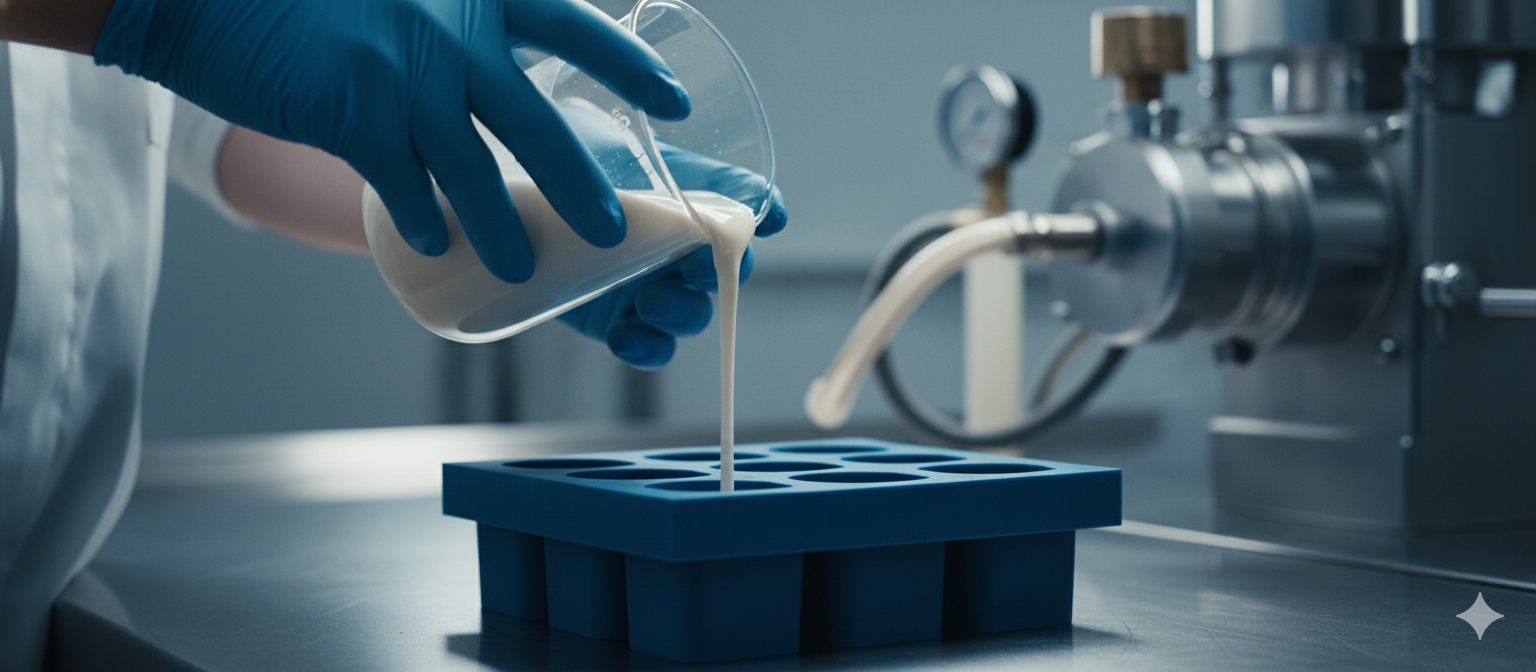
A silicone prototype is a part made from a real silicone material. It is not a hard plastic that looks like rubber. It is the real thing.
It is soft. It is flexible. It is durable. It can be made in different levels of hardness. From very soft and squishy to firm and rubbery. This hardness is called "durometer."
These prototypes let you do real functional testing. They let you get real feedback from users. They are essential for any product where touch and feel are part of the function.
How Are Silicone Prototypes Made?

You cannot 3D print high-quality, soft silicone parts. The technology is not there yet. So, we use other, more specialized methods.
The Main Solution: Vacuum Casting
This is the most common and effective way to make a small number of high-quality Silicone prototype parts. The process has a few key steps.
Step 1: The Master Pattern
First, we need a perfect master pattern. This is a model of your final part. It is usually made using a very precise method, like CNC machining or SLA 3D printing. The master pattern must have a perfect surface finish. Any flaw on the master will be copied to the final parts.Step 2: The Silicone Mold
Next, we place the master pattern in a box. We pour liquid silicone rubber around it. The box is placed in an oven to cure the silicone. When it is cured, we cut the mold open and remove the master pattern. We now have a flexible silicone mold with a perfect, empty cavity in the shape of your part.Step 3: The Casting
This is where the magic happens. We take a two-part liquid silicone material. We mix it. We can add color pigments to match your exact color needs. Then, we place the silicone mold inside a vacuum chamber. We pour the mixed liquid silicone into the mold. The vacuum sucks all the air bubbles out of the liquid. This is very important. Bubbles would ruin the part. After pouring, the mold is removed and placed in an oven to cure the part.
The Result
The result is a bubble-free, perfect silicone copy of your original master pattern. We can repeat this process 15 to 25 times with a single mold. This makes it a very efficient process.
A Special Case: Silicone Overmolding
Sometimes, you need a part that is both hard and soft. A toothbrush with a hard plastic handle and a soft rubber grip is a perfect example. This is called overmolding. We can make these parts too. First, we make the hard plastic part. Usually with CNC machining. Then, we place this hard part inside a special silicone mold. We pour the liquid silicone around it. The silicone cures and forms a permanent chemical bond with the plastic part. This is a very advanced process. It requires a lot of skill. But it creates amazing, two-material prototypes.
What About Larger Quantities? Rapid Tooling
What if you need 500 silicone parts? Vacuum casting is too slow for that. For larger numbers, we use rapid tooling. We create a simple metal mold. Usually from aluminum. It is faster and cheaper to make than a full production steel mold. Then, we use this mold in a real injection molding machine. We inject a material called Liquid Silicone Rubber (LSR) into the mold. This process is very fast. It can make thousands of high-quality parts.
Where Are Silicone Prototypes Used?
Many industries rely on soft prototypes.
Medical Devices:
Medical product designers need parts that are safe for skin contact. Silicone is often biocompatible. It is used for soft grips on surgical tools, breathing masks, flexible tubes, and seals on medical equipment. A good Silicone Prototype Company will have experience with these materials.Consumer Products & Wearables:
The feel of a product is very important here. Think of soft kitchen spatulas, flexible watch bands, comfortable earbud tips, or soft-touch buttons on a remote control. All these need silicone prototyping.Automotive:
Cars have many seals, gaskets, and soft buttons. Prototypes of these parts are made with silicone to test their fit and function before making expensive production tools.
Choosing the Right Partner
Making good silicone parts requires special skills. Not all silicone prototype manufacturers are the same.
Look for a partner with deep experience in vacuum casting. Ask to see examples of their work. Ask them about overmolding. Ask them about the different durometers of silicone they offer.
A good partner will guide you. They will help you choose the right process. They will help you create a prototype that truly feels like your final product. This is the key to developing a successful product that people love to use.

