


Silicone molds are versatile tools used in various industries, from crafting to manufacturing. Whether you're making silicon molds for resin, designing custom shapes, or preparing baking tools, understanding the mold-making process is essential. This guide covers everything from basic techniques to advanced applications like 3D print integration and large-scale production. If you're searching for supplies near me, we’ll also explore where to find the best materials.
content:
Why Choose Silicone for Mold Making?
Types of Silicone for Mold Making
Step-by-Step Silicone Mold Making Process
Advanced Techniques
Finding Silicone Mold Supplies Near Me
Why Choose Silicone for Mold Making?
Silicone is a preferred material for molds due to its flexibility, durability, and heat resistance. It captures fine details, making it ideal for custom designs, resin casting, and even baking molds for intricate desserts. Unlike rigid materials, silicone allows easy demolding without damaging the original model.
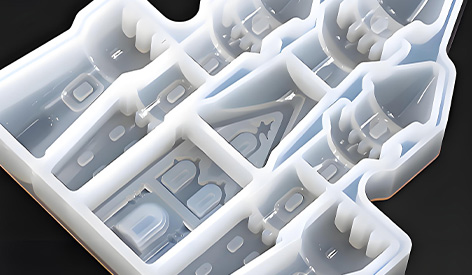
Types of Silicone for Mold Making
Tin-Cure Silicone (Condensation Cure) – Affordable and easy to use, perfect for beginners in kit making or small projects.
Platinum-Cure Silicone – High-quality, non-toxic, and ideal for resin casting and food-safe applications like baking.
Addition-Cure Silicone – Used in industrial settings for large molds with superior tear resistance.
Step-by-Step Silicone Mold Making Process
1. Prepare Your Model
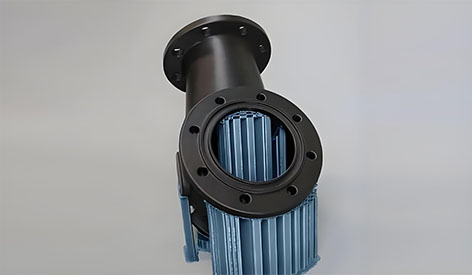
Whether using a 3D print, clay sculpture, or found object, ensure the model is clean and free of imperfections. For custom designs, 3D-printed prototypes offer precision.
2. Build a Mold Box
Containment is crucial—use acrylic sheets, LEGO bricks, or cardboard to create a mold box slightly larger than your model. This prevents silicone leakage.
3. Select the Right Silicone
For resin casting, opt for platinum silicone to avoid inhibition issues. For baking, use FDA-approved food-grade silicone.
4. Mix and Pour Silicone
Follow the manufacturer’s instructions for mixing ratios. Degassing (removing air bubbles) ensures a smooth finish, especially for large molds.
5. Cure and Demold
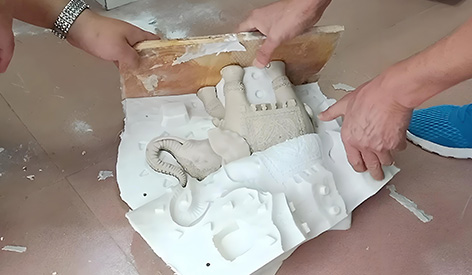
Allow the silicone to cure fully (usually 4-24 hours). Once set, carefully remove the mold from the box and extract the original model.
Advanced Techniques
3D Print Integration: Use 3D-printed masters for ultra-detailed custom molds.
Large Mold Production: For bigger projects, layer silicone in stages to prevent warping.
Two-Part Molds: Essential for complex shapes, allowing easy demolding.
Finding Silicone Mold Supplies Near Me
Local craft stores, hardware shops, or specialized suppliers often carry silicone molding kits. For 3D print-compatible or large-scale materials, check industrial suppliers or online marketplaces.
From resin art to baking and kit making, silicone molds offer endless possibilities. By mastering techniques like 3D print integration and custom shaping, you can create professional-grade molds at home. If you need supplies, search for reputable sellers near me to get started today!

