


Failing an expensive X-ray inspection on a critical pressure vessel destroys corporate manufacturing reputations instantly. Relying on cheap welding consumables guarantees massive structural blowouts during heavy mechanical testing. Procuring premium stainless steel flux core wire fundamentally eliminates terrified factory managers worrying about sudden pipeline failures on the assembly floor.
Dragging massive steel gas cylinders across a crowded shipyard consumes terrifying amounts of manual labor. Executing flawless outdoor assemblies forces engineers to fight violent wind currents that instantly blow away delicate argon shielding gases. Operating under these harsh environmental conditions practically mandates utilizing highly advanced self-shielding tubular consumables.
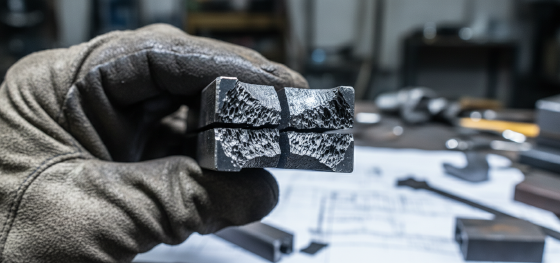
Heating solid alloys to their absolute melting point creates a highly reactive, violently bubbling liquid puddle. Exposing this super-heated liquid to atmospheric oxygen triggers catastrophic weld pool contamination instantly. Mastering the internal chemical composition of tubular wires provides an automatic, built-in protective barrier that completely locks out dangerous atmospheric moisture.
Operating out of the aggressive Shenzhen precision manufacturing hub equips our veteran welding technicians with uncompromising metallurgical authority. We force hardware designers to respect proper joint preparation before striking any high-voltage electrical arcs. Interrogating the specific base metal chemistry entirely neutralizes terrifying factory weld failures before the machinery ever powers on.
content:
Crushing Expensive Shielding Gas Logistics
Surviving Violent Slag Inclusion Defects
Mastering Out-of-Position Vertical Assembly
JUCHENG Hub: Dominating Heavy Metal Joining
Frequently Asked Questions: Welding Physics
Crushing Expensive Shielding Gas Logistics

Does running self-shielded tubular wire completely eliminate the need for heavy external gas tanks?
Yes. The chemical powder hiding inside the hollow wire burns instantly, generating its own protective gas shield right at the arc, rendering heavy external cylinders entirely obsolete.
Battling severe shielding gas logistics destroys operational profit margins rapidly. Renting, transporting, and refilling massive pressurized cylinders drains valuable factory floor space and consumes immense human labor. Switching to dual-shielded or entirely self-shielded wire drastically cuts this logistical nightmare, allowing technicians to move freely around massive construction projects without dragging heavy hoses.
Drafty factory floors physically blow away standard MIG (Metal Inert Gas) coverage. Losing gas coverage for even a fraction of a second sucks raw oxygen directly into the molten metal. This terrifying reaction generates thousands of tiny, invisible pores inside the solidifying joint, turning a heavy-duty structural bracket into brittle, useless Swiss cheese.
Tubular wires aggressively combat severe crosswinds. Because the protective gas generates directly from the burning core outward, it pushes violently against the surrounding atmosphere. This localized pressure completely insulates the liquid puddle, guaranteeing absolutely flawless, X-ray quality joints even when operating outside in terrible weather conditions.
Surviving Violent Slag Inclusion Defects

Will failing to clean the protective crust between passes ruin a multi-layer weld?
Absolutely. Pouring hot liquid metal directly over hardened crust traps the brittle material deep inside the joint, creating massive structural voids that will violently crack under heavy tension.
Experiencing terrifying slag inclusion defects on the factory floor stops assembly lines instantly. The chemical powder inside the wire deliberately forms a thick crust over the cooling metal to protect it from oxidation. Technicians must aggressively grind this crust away entirely before running a second layer of molten wire over the exact same spot.
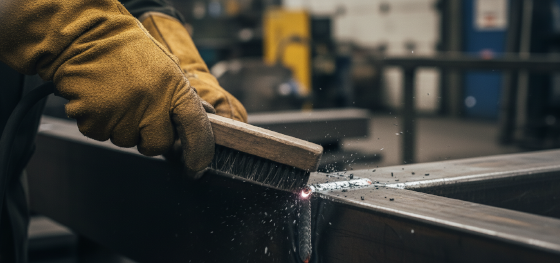
Executing flawless multi-pass assemblies demands strict procedural discipline. Lazy operators who refuse to wire-brush the joint properly effectively bury ticking time bombs inside the steel. When heavy mechanical stress later hits the finished component, these trapped glass-like pockets physically shatter, tearing the steel apart from the inside out.
Evaluating specific filler metal chemistry prevents these violent disasters entirely. Engineers actively select stainless steel flux core wire specifically designed for easy crust removal. Premium consumables generate a highly brittle slag that literally peels itself off the cooling metal as it contracts, drastically reducing the manual labor required between heavy passes.
| Welding Consumable Type | Gas Shielding Requirement | Slag Cleaning Needed | Optimal Factory Application |
|---|---|---|---|
| Solid MIG Wire (ER308L) | 100% External Argon Mix | Zero (Clean bare metal) | Indoor robotic clean room assembly |
| Tubular Flux Core (FCAW) | Internal Chemical Generation | Heavy (Requires wire brushing) | Outdoor heavy construction plates |
| TIG Welding Rods | 100% Pure Argon | Zero | Microscopic medical fluid valves |
| Dual-Shield Tubular | Internal + External Gas | Moderate | Massive deep penetration shipbuilding |
Mastering Out-of-Position Vertical Assembly

Can a technician successfully run liquid metal straight up a vertical wall without it dripping?
Yes. Advanced tubular wires contain specialized chemical agents that cause the molten puddle to freeze and solidify incredibly fast, perfectly holding the metal in place against gravity.
Conquering difficult out-of-position assembly separates amateur fabricators from true industrial heavyweights. Attempting to run standard solid wire vertically usually ends in disaster. The super-heated liquid metal violently sags and drips downward before it can harden, creating horrific, uneven joints that instantly fail structural stress testing.
Procurement managers aggressively seek out stainless steel flux core wire precisely to solve this gravitational nightmare. The internal powder creates a unique thermodynamic reaction, allowing the operator to push massive amounts of material into vertical or overhead gaps with terrifying speed. This completely eliminates the need to constantly flip heavy parts with expensive factory cranes.
Increasing deposition rates heavily drives your shielding gas logistics down. Because tubular wires allow operators to lay down pounds of metal per hour, massive structural projects finish days ahead of schedule. Faster travel speeds mean less heat injected into the base plates, violently reducing the risk of catastrophic geometric warping.
JUCHENG Hub: Dominating Heavy Metal Joining

Why do aggressive hardware startups prefer vertically integrated factories for complex metal assemblies?
Resolving catastrophic metallurgical failures requires immediate collaboration between the CNC machinists cutting the parts and the robotic welding technicians physically fusing them.
Partnering with highly experienced veterans prevents massive tooling budgets from vaporizing overnight. Jucheng Precision executes uncompromising Design for Manufacturability (DFM) audits instantly upon receiving your digital CAD files. We aggressively identify impossible joint angles that practically guarantee dangerous weld pool contamination.
Running fully automated sheet metal fabrication lines allows our facility to produce millions of flawless components rapidly. We refuse to feed inappropriate, dirty raw materials into our high-speed robotic cells. Guaranteeing your global supply chain runs continuously without terrifying dimension failures remains our absolute top priority.
Frequently Asked Questions: Welding Physics
Can I run tubular consumables using standard reverse polarity?
Usually no. Most self-shielded wires require straight polarity to ensure the extreme heat penetrates the wire itself, properly activating the protective chemical powder.
Why does the feeding wire violently stutter and jam inside the torch cable?
Tubular wire is physically hollow and incredibly fragile. Using overly tight drive rolls will violently crush the wire flat, making it impossible to feed smoothly through the long liner.
Does excess moisture ruin the internal chemical powder?
Absolutely. Leaving unsealed spools out in humid factory air causes the internal flux to aggressively absorb water. This guarantees violent popping, severe porosity, and completely ruined slag inclusion defects.

