


Have you ever made a shape in wet sand at the beach? Aluminum sand casting is kind of like that, but for making metal parts! It’s a way to create solid aluminum objects by pouring hot, liquid metal into a sandy mold. People have used this method for hundreds of years because it’s useful for making large, strong, and detailed parts—like pieces for car engines or airplane wings—without it being too expensive.
Sand Casting Aluminum
Aluminum Green Sand Castings
Aluminum Sand Casting Manufacturers
Aluminum Sand Mold Casting vs Wrought Aluminum
Sand Cast Aluminum Alloys
Aluminum Sand Casting Process
Sand Casting Aluminum vs Aluminium Investment Casting
Aluminium Sand Casting Products
Gravity Aluminum Sand Casting
Sand Casting Aluminum
Sand casting aluminum means using a mold made of special sand to shape aluminum parts. It is a type of process in aluminium casting ideas.Think of it like using a sandbox to make a footprint, but instead of a foot, you use a pattern (like a model) of the object you want. Aluminum is great for this because it melts easily and flows into all the tiny spaces in the mold, so you can make cool shapes with lots of details.
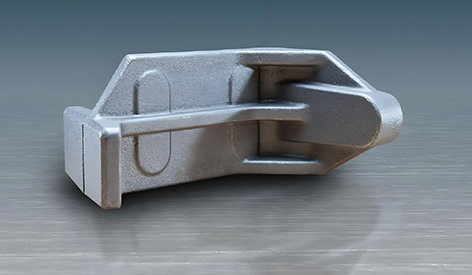
Aluminum Green Sand Castings
Green doesn’t mean the color! In sand casting, “green sand” is just wet sand mixed with clay and other stuff that helps it stick together. It’s called “green” because the sand is still soft and moist, almost like damp beach sand. This type of mold is often used for aluminum casting because it’s cheap, easy to use, and the sand can be reused again and again.
Aluminum Sand Casting Manufacturers
These are the companies that make aluminum parts using sand casting. They have experts who know how to create the molds, melt the aluminum, pour it carefully, and finish the part so it looks neat and works perfectly. If you ever need a special metal part, these are the people who can make it for you!
Aluminum Sand Mold Casting vs Wrought Aluminum
This is a fancy way of comparing two types of aluminum:
Sand-cast aluminum is made by pouring liquid metal into a mold. It’s great for complex shapes.
Wrought aluminum is made by squishing or stretching solid aluminum (like rolling dough) to make things like soda cans or baseball bats. Wrought aluminum is usually stronger, but sand casting lets you make more complicated designs.
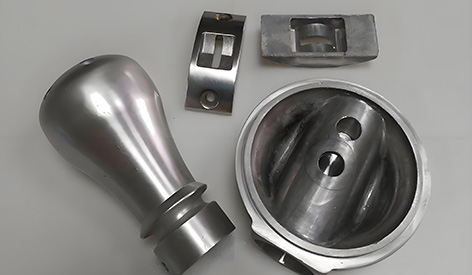
Sand Cast Aluminum Alloys
An “alloy” is a mix of metals. Aluminum is often mixed with other metals to make it stronger or easier to pour. Some common mixes used in sand casting are called A356, 319, and 413. Each mix has its own superpower—like being extra strong, easy to machine, or good for handling water or pressure.
Aluminum Sand Casting Process
Here’s how it works, step by step:
Make a pattern (a model of the part you want).
Press the pattern into special sand to make a mold.
Remove the pattern—now there’s a hollow shape in the sand.
Pour liquid aluminum into the mold.
Wait for it to cool and become solid.
Break away the sand—and there’s your aluminum part!
After that, the part might be polished, painted, or machined to make it perfect.
Sand Casting Aluminum vs Aluminium Investment Casting
Both are ways to make aluminum parts, but they’re a little different:
Sand casting uses a sandy mold. It’s great for bigger parts and doesn’t cost too much.
Investment casting uses a wax model covered in ceramic (a hard shell, kind of like a candy shell). It’s better for making very detailed small parts, but it’s more expensive.
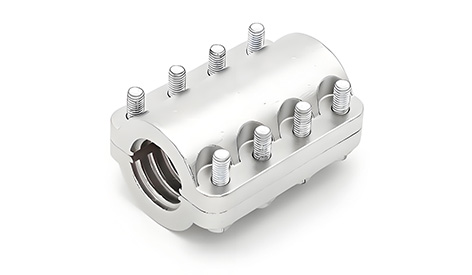
Aluminium Sand Casting Products
Lots of things you see around you are made with sand casting! For example: car engines, water pumps, airplane parts, and even some playground equipment. These parts need to be strong and light—and aluminum is perfect for that.
Gravity Aluminum Sand Casting
This is the simplest type of sand casting. The liquid aluminum is poured into the mold using just gravity—no fancy machines or pressure. It’s like pouring juice into a cup! This method is cheap and works well for parts that don’t need super-fine details.
Aluminum sand casting is a cool and useful way to make metal parts. It’s been around a long time, and it’s still popular because it’s flexible, affordable, and fun—like advanced sand sculpting with metal! Whether it’s a tiny gear or a giant machine part, sand casting helps build many of the things we use every day.

