


Saltwater and aggressive sterilizing chemicals eat standard metal alive. Building a heavy-duty fluid pump or a maritime sensor housing means you cannot afford a single microscopic defect. Most commercial foundries default to cheap, highly fluid metals simply because they are easy to inject, completely ignoring the fact that those metals turn into a sponge under high hydraulic stress. Opting for the highly specialized a360 aluminum die-casting alloy permanently solves these extreme environmental threats. It delivers an impenetrable molecular barrier that standard metals simply cannot match.
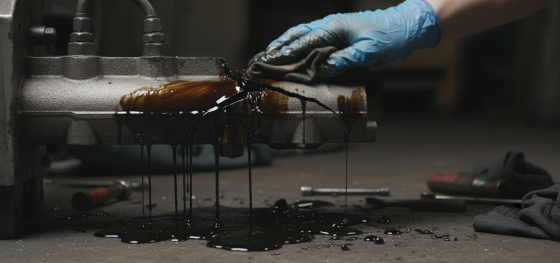
Selecting optimal die casting materials is rarely just about saving weight on an assembly line. When you are engineering medical life-support machines or deep-sea navigation enclosures, survival dictates your chemistry choices. The slightest internal air void will cause pressurized oil or water to seep directly through the metal walls, short-circuiting expensive motherboards and triggering massive product recalls.
Mastering this specific premium grade takes serious factory discipline. It does not flow easily, and it requires immense hydraulic force to pack correctly. Let's dig into why marine and medical sectors demand this exact chemical formulation, how it locks out rust, and why you need a tier-one facility to cast it successfully.
content:
Defeating Rust: Superior Corrosion Resistance
Zero Leaks: Engineering Pressure-Tight Parts
Field Survival: Medical Devices and Automotive Pumps
Precision Execution at the Shenzhen Hub
FAQ: Real Talk About Machine Wear and Flow Dynamics
Defeating Rust: Superior Corrosion Resistance
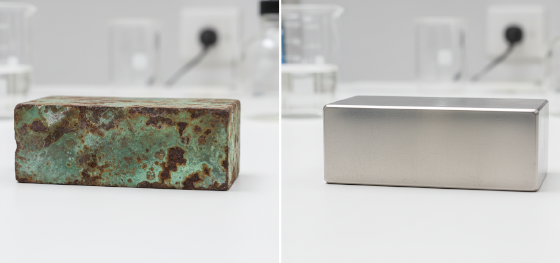
Why do common commercial alloys degrade so quickly in oceanic environments?
Standard metals contain high levels of copper to make them cheaper to machine, but that copper acts like a magnet for galvanic corrosion the moment it touches saltwater.
Dropping the copper content down to less than 0.6 percent fundamentally changes how this metal reacts to weather. Replacing that copper with a precise blend of silicon and magnesium creates a robust, natural oxide skin. This defensive layer automatically heals itself if the surface gets scratched.
Deploying hardware on commercial ships or offshore oil rigs requires this level of chemical immunity. You avoid the catastrophic maintenance costs associated with parts rusting out and snapping off in the middle of the ocean.
Zero Leaks: Engineering Pressure-Tight Parts
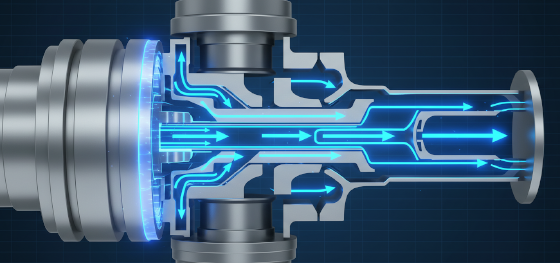
How does this material physically prevent internal liquids from escaping?
It cures with an incredibly dense, tightly interlocked microstructure, leaving virtually zero room for microscopic shrinkage voids where pressurized oil or gas typically seeps through.
Fluid dynamics will destroy a poorly planned hardware project overnight. If a transmission casing is porous, the boiling hydraulic fluid inside will find the weakest microscopic path and literally sweat through the solid metal walls. Engineers refer to this exact capability as "pressure-tightness."
Utilizing a360 aluminum die-casting alloy guarantees that your manifolds and valve bodies remain completely impenetrable. You can confidently seal high-pressure gases and volatile fluids inside complex chambers without fear of slow, invisible leaks ruining your customer's equipment.
Field Survival: Medical Devices and Automotive Pumps
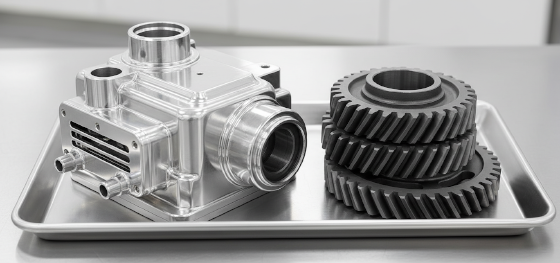
Where is this specific metallurgical grade absolutely mandatory for safety?
Inside hospital operating rooms and vehicle drivetrain systems, where exposure to harsh sterilizing bleach and boiling mechanical fluids destroys weaker, cheaper metals instantly.
Nurses aggressively scrub down medical ventilators and surgical monitors multiple times a day. If you use standard commercial alloys for those chassis, the bleach will strip the paint and pit the metal, creating microscopic craters where dangerous bacteria can hide.
Automotive water pumps face a completely different, yet equally brutal reality. They must endure violent temperature swings, constant vibration, and corrosive engine coolants simultaneously. Specifying this premium grade ensures those critical systems never crack or bleed fluid onto the highway.
Precision Execution at the Shenzhen Hub
Why shouldn't you let a generic foundry pour this demanding alloy?
Because it is notoriously sluggish and difficult to cast; if the factory lacks advanced thermal flow analysis software, the metal will freeze prematurely and ruin your expensive tooling.
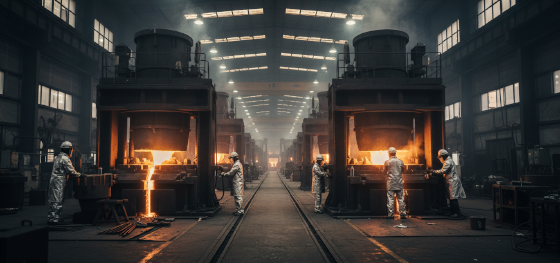
Suppliers hate this metal. It does not flow like water. Pushing it into complex geometries requires massive hydraulic tonnage and perfectly mapped heating channels inside the steel die. Operating out of our Shenzhen precision manufacturing hub, Jucheng Precision has the heavy infrastructure needed to force this stubborn metal into shape.
Stop risking leaks and rust on your most critical components. Send your intricate fluid-handling CAD files to our engineering team today. We provide a ruthless, mathematically driven DFM analysis to ensure your parts pack tightly and deliver absolute marine-grade performance.
FAQ: Real Talk About Machine Wear and Flow Dynamics
Will this premium metal increase my secondary CNC machining costs?
Yes, slightly. Because it lacks the lubricating copper found in cheaper grades, it tends to be gummy during milling, which wears out CNC drill bits faster and slows down threading operations.
Can I cast extremely thin, delicate heatsink fins using this grade?
It is highly discouraged. Due to its lower molten fluidity, it struggles to fill paper-thin cavities before freezing. It is much better suited for thick, robust, structural walls.
Does the low copper content affect how well it conducts heat?
Surprisingly, no. It actually possesses slightly better thermal conductivity than standard commercial grades, making it an excellent choice for sealed, ruggedized outdoor electronic housings.
Why is it harder to find this specific ingot in local supply chains?
Because it is considered a premium, specialized grade. Many low-tier brokers refuse to stock it. Jucheng Precision maintains a steady supply to ensure our global clients never face material shortages.

