


Shedding weight from portable devices and electric vehicles forces engineering teams into a brutal corner. Trimming structural mass by switching to plastic ruins the premium feel of the product and introduces severe heat dissipation failures. Picking your core die casting materials requires balancing extreme lightness against severe factory processing constraints. Evaluating die cast magnesium vs aluminum usually comes down to deciding how much you are willing to pay for featherweight properties. Simply comparing raw ingot prices completely ignores the expensive shielding gases and anti-corrosion coatings required for volatile alloys.
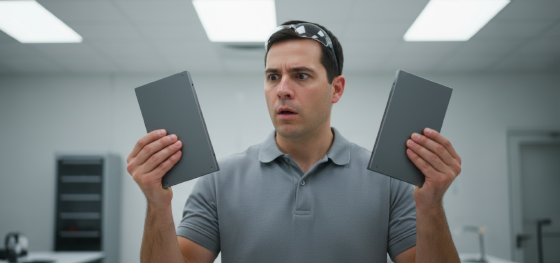
Procurement managers often get shocked by the hidden processing costs of ultra-light metals. Handing a highly reactive part to a cheap broker guarantees it will rust into white powder before it even clears customs. Operating our Shenzhen precision manufacturing hub, Jucheng Precision routinely guides startups through this exact financial crossroad to ensure their supply chains remain intact.
Delivering premium hardware means understanding exactly how these two metals behave during secondary milling and harsh outdoor exposure. Let's dissect the real-world weight differences, explore the severe fire hazards associated with CNC cutting, and determine which lightweight champion belongs in your assembly line.
content:
Weight vs. Strength: Paying for Every Gram
Machinability: Which is Easier to CNC Machine?
The Hidden Cost: Corrosion and Surface Finishing
Technical Data: Benchmarking the Lightweight Rivals
JUCHENG Hub: Safely Machining Both Metals
FAQ: Honest Answers About Rust, Fires, and Yield Strength
Weight vs. Strength: Paying for Every Gram
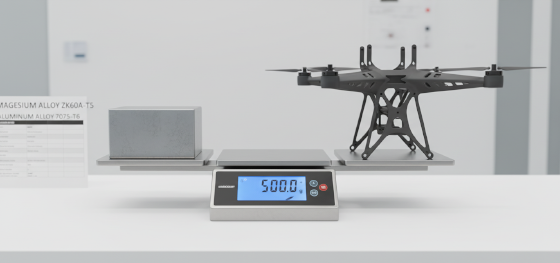
Why do aerospace designers consistently obsess over magnesium over traditional alloys?
Because it is roughly thirty-three percent lighter than standard aluminum, allowing engineers to drastically increase payload capacity or battery size without compromising the outer structural rigidity.
Trimming ounces off a drone frame directly translates into longer flight times. When portability dictates your commercial success, you must eliminate heavy structural mass. Dropping heavy metals allows your customers to hold professional camera gimbals and tablets all day without wrist fatigue, instantly justifying a premium retail price.
Aluminum remains the undisputed king of absolute brute strength and high heat extraction. If you are building a massive V8 engine block or a base station heatsink that sits in the baking sun, the slightly heavier metal is mandatory to survive the thermal load.
Machinability: Which is Easier to CNC Machine?
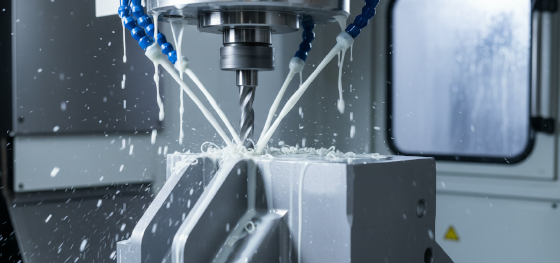
How does secondary milling differ between these two popular metals?
Magnesium cuts incredibly fast and cleanly, extending CNC tool life massively, whereas aluminum can be gummy and requires intense liquid coolant to prevent the drill bits from galling.
Sending raw parts to the milling bay exposes hidden manufacturing costs. When comparing die cast magnesium vs aluminum, factory operators vastly prefer the lighter alloy because it chips perfectly during high-speed threading, leaving a brilliant surface finish in half the time.
Cutting extreme lightweight alloys introduces a massive fire risk. The microscopic metal dust is highly flammable and will violently ignite if not managed properly. We utilize specialized wet-machining environments within our 5 axis cnc machining services bay to completely neutralize this explosive hazard, protecting both the parts and the facility.
The Hidden Cost: Corrosion and Surface Finishing
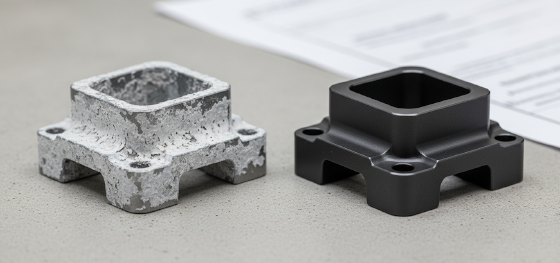
Why must ultra-lightweight chassis parts be coated immediately?
Because untreated magnesium suffers from severe galvanic corrosion and will literally oxidize into white dust if exposed to atmospheric moisture without a protective chemical conversion layer.
Standard aluminum naturally forms a protective oxide skin, making it incredibly resilient outdoors. You can confidently leave an aluminum marine bracket exposed to weather without catastrophic degradation. It requires significantly less aesthetic babysitting during the manufacturing process.
Choosing the lighter metal forces you to adopt strict post-processing rules. You must apply anodizing, specialized powder coating, or E-coating immediately after casting and machining. This mandatory surface treatment adds a slight premium to your unit cost that procurement teams must aggressively budget for.
Technical Data: Benchmarking the Lightweight Rivals
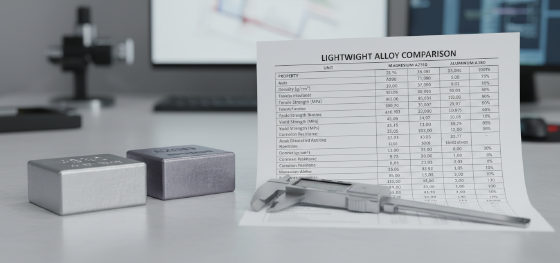
Cross-referencing physical data against machining overhead gives you the true cost of ownership. The benchmark table below highlights exactly when the extreme weight savings justify the complex handling requirements.
| Performance Metric | Magnesium Alloy (AZ91D) | Aluminum Alloy (A380) |
|---|---|---|
| Weight Density | 1.81 g/cm³ (Lightest structural metal) | 2.71 g/cm³ (Standard light metal) |
| CNC Tool Wear | Extremely Low (Cuts very easily) | Moderate (Can stick to cutting tools) |
| Corrosion Resistance | Poor (Mandatory coating required) | Excellent (Natural atmospheric resistance) |
| EMI Shielding | Superior built-in electrical shielding | Good baseline shielding |
Debating die cast magnesium vs aluminum requires looking at the lifespan of the steel mold. The lighter alloy melts at a lower temperature, subjecting your expensive H13 tool steel to far less thermal fatigue. You can pull significantly more shots from the tool before replacing it, which often offsets the higher raw material price.
JUCHENG Hub: Safely Machining Both Metals
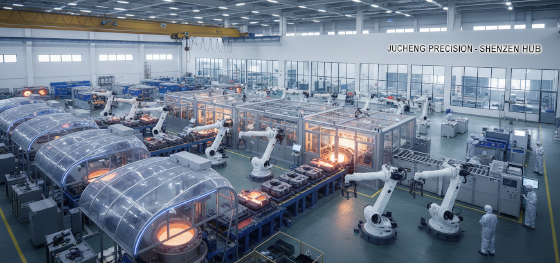
Why trust Jucheng Precision to handle volatile lightweight alloys?
Because we maintain strict fire-safety protocols, advanced shielding gas delivery, and in-house chemical coating lines to safely process and seal your ultra-light components immediately.
Outsourcing highly reactive metals to inexperienced machine shops is a massive liability. If a third-party broker fails to apply the anti-corrosion coating fast enough, your expensive parts will rust while sitting in transit. We keep the entire lifecycle securely contained in Shenzhen.
Stop guessing which metal fits your lightweight design. Send your 3D CAD files to our engineering team today. We provide a completely free DFM analysis to evaluate your options mathematically and deliver flawless, featherweight hardware.
FAQ: Honest Answers About Rust, Fires, and Yield Strength

Will the lighter alloy catch fire during normal consumer use?
Absolutely not. It is only highly flammable in its molten liquid state or as microscopic dust during CNC machining. Once frozen into a solid block, it is completely safe for consumer electronics.
Which metal vibrates and rattles more in a moving vehicle?
Aluminum transfers vibration harshly. The lighter alloy possesses excellent natural damping capacity, meaning it actively absorbs mechanical shocks and acoustic vibrations, making it much quieter in automotive cabins.
Can I cast both of these metals inside the exact same steel mold?
No. The shrinkage rates and thermal dynamics of the two metals are entirely different. Pouring a different alloy into an existing mold guarantees the final parts will fail your dimensional tolerances.
Is one metal significantly better for heat dissipation?
Yes, standard A380 provides significantly better thermal conductivity. If your enclosure needs to act as a massive heatsink for a telecommunications motherboard, the heavier metal is the superior choice.

