


Have you ever looked up at an airplane and wondered how such a huge machine can fly? A big part of the answer is how it's built! Aerospace sheet metal fabrication is a fancy way of saying "shaping flat pieces of metal into parts for planes and spaceships." Think of it like a super-advanced version of cutting and folding paper. People use special tools to cut, bend, and join strong metals like aluminum and titanium to make wings, body panels, and engine parts. The main goal is to make these parts very strong but also very light, because lighter planes use less fuel and can fly better.
content:
Building Specific Parts for Airplanes
Making Parts That Last a Long Time
Why Being Super Exact is Super Important
Awesome New Technology
Doing Things the Right Way
The Magic of Heating Metal
Building Specific Parts for Airplanes
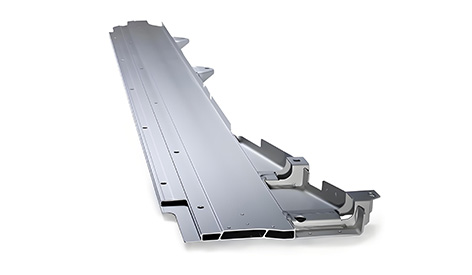
When we talk about aircraft aerospace sheet metal fabrication, we mean building the pieces that go on airplanes you see in the sky. These parts, like the smooth skin of the wing, have to be a very specific shape to help the plane slice through the air easily. The people who make these parts are like expert artists. They have to follow super-strict rules to make sure every piece is perfect and safe. They also have to make sure the metal won't rust from rain or over time.
Making Parts That Last a Long Time
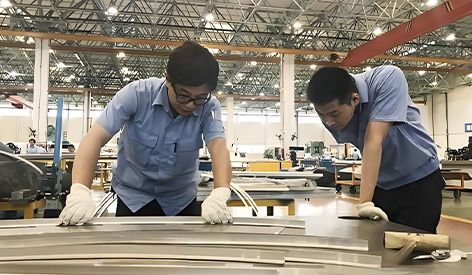
Imagine if an airplane part broke easily—that would be very bad! That's why durable aerospace sheet metal fabrication is all about making parts that are tough and can last for many, many years. To do this, engineers choose extra-strong metals and use special techniques to make the metal even stronger. They might even shoot tiny metal balls at the surface to make it tougher, a process called "shot peening." Before a part is used, they test it by pushing and pulling on it over and over again to make sure it never gets tired out.
Why Being Super Exact is Super Important
In this world, "close enough" is not good enough! Precision aerospace sheet metal fabrication means making parts that are the exact right size and shape, down to a tiny, tiny fraction of an inch. It's like using a super-precise ruler and a super-sharp scissors instead of a regular one. They use lasers and computers to make cuts that are perfectly straight and bends that are at the perfect angle. This is super important because if a part is even a little bit wrong, it might not fit with the other parts, which could cause problems.
Awesome New Technology
Aerospace manufacturing technology is always getting cooler! Today, factories use robots to help put parts together, which is faster and makes fewer mistakes. They also use something called the "Internet of Things," which is like putting little computer brains on the machines. These brains can tell the workers if a machine is getting sick and needs a repair. Engineers can even create a digital twin—a computer copy of a real part—to test it on a screen before they ever build the real one. This helps them solve problems before they even start!
Doing Things the Right Way
Professional aerospace manufacturing means everyone follows the rules to keep things safe and high-quality. There are rulebooks that tell workers exactly how to do each job, from start to finish. Everyone is trained to be very careful and clean in their work. They also have to be kind to the planet by safely getting rid of any waste from the building process.
The Magic of Heating Metal
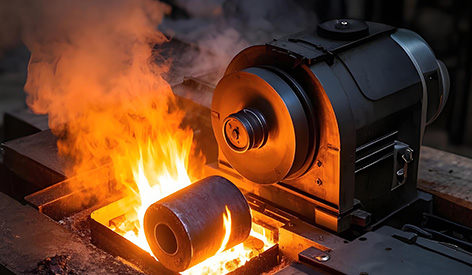
Finally, there's a cool process called aerospace heat treatment. This is like a magic trick for metal! By carefully heating the metal parts in special ovens and then cooling them down in a certain way, they can make the metal much stronger. It's a bit like baking a cake—you need the right temperature and time to make it turn out perfectly. This "baking" process makes sure the metal can handle the hot temperatures near the engine or the cold temperatures high in the sky.
Building things for airplanes and rockets is a huge job that requires smart people, strong materials, exact measurements, and cool technology. It's all about teamwork, precision, and a passion for making things that can soar through the skies and beyond.

