


You have probably seen it happen. You apply a perfect layer of paint to a raw aluminum part. It looks great. But a few months later, it starts to bubble and flake off. Why?
This is a common and frustrating engineering problem. The reason is a chemical one. Aluminum has an invisible enemy living on its surface. And if you do not deal with this enemy, no coating will ever stick properly.
The professional solution is a process called Aluminum Oxidation, or chemical conversion coating. It is not a decorative finish. It is a critical functional step in a complete Aluminum surface treatment strategy.
content:
The Problem: Aluminum's Invisible Enemy
The Solution: A Controlled Chemical Reaction
Benefit 1: A Superior Primer for Paint
Benefit 2: Stand-Alone Corrosion Resistance
When to Choose Aluminum Oxidation
The Problem: Aluminum's Invisible Enemy
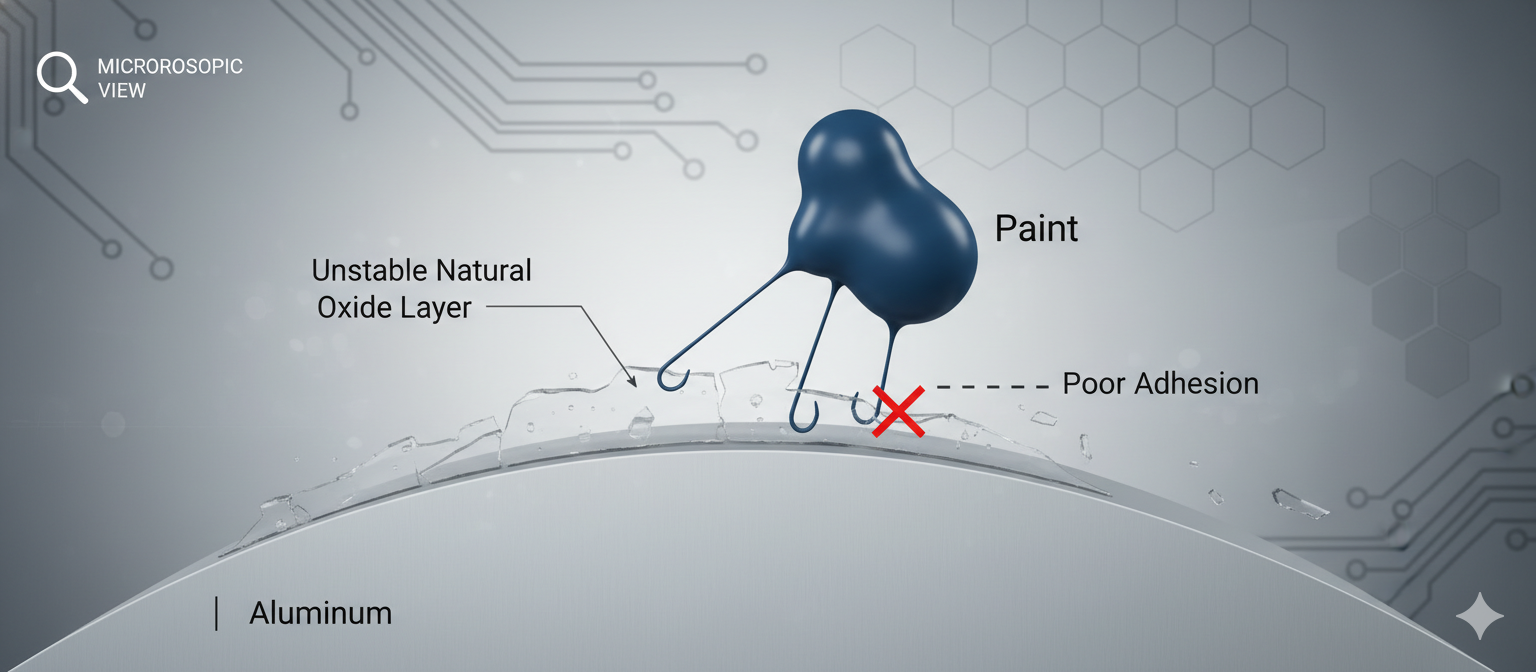
When bare aluminum is exposed to air, it instantly forms a very thin, invisible layer of natural oxide on its surface. This layer is passive and unstable. It is not a good foundation for paint.
Paint molecules have nothing to grip onto. The bond is purely mechanical and very weak. Over time, moisture can creep under the paint. It reacts with the aluminum underneath. This causes the paint to lose adhesion, bubble up, and peel away.
This is why you cannot just clean a raw aluminum part and paint it. You must first treat the surface. You must remove the unstable natural oxide and replace it with something better.
The Solution: A Controlled Chemical Reaction
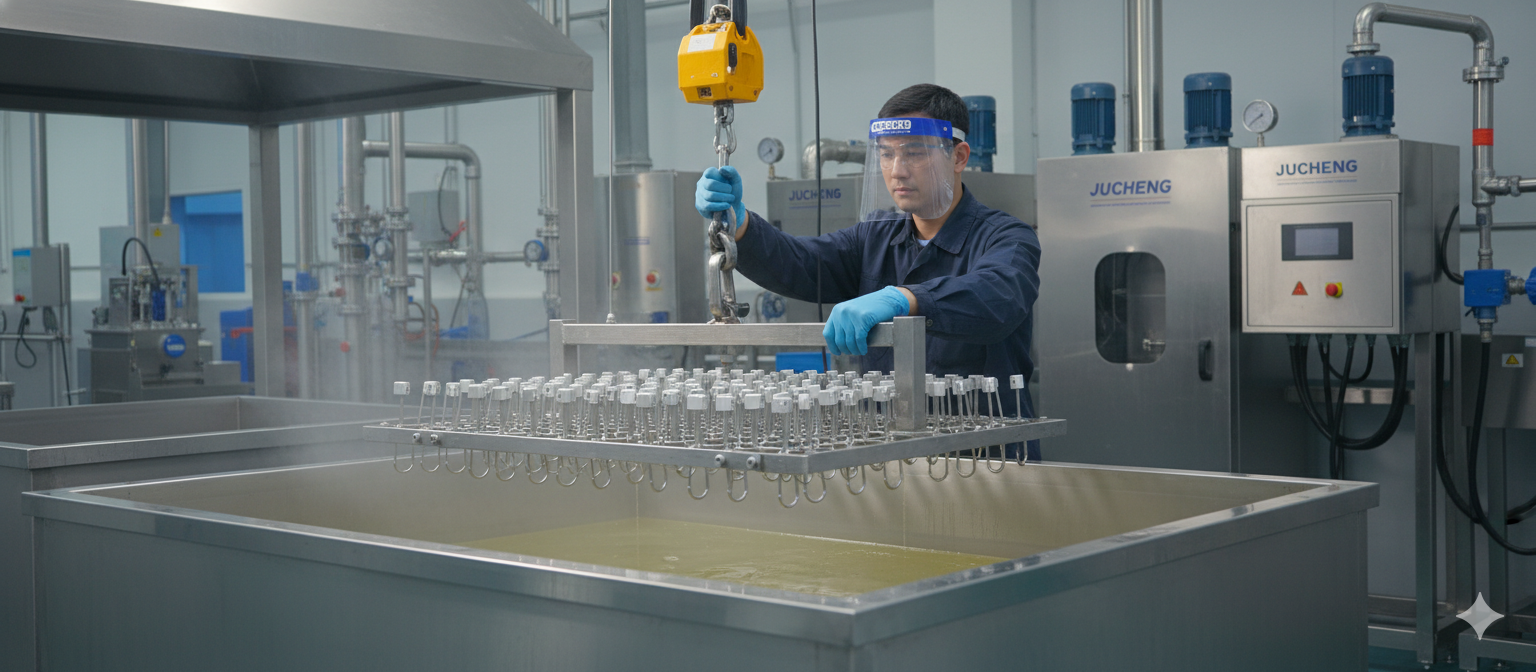
This is the job of a chemical conversion coating. It is a process that uses a controlled chemical reaction to grow a new, stable layer on the aluminum's surface.
The process starts with a series of cleaning and etching baths. These remove all oils, dirt, and the original unstable oxide layer. The aluminum part is now perfectly clean.
Then, the part is dipped into a chemical solution. The most common types are based on chromate or trivalent chromium. The chemicals in this bath react with the aluminum surface.
This reaction does not add a layer on top of the metal. Instead, it transforms the very top layer of the aluminum itself. It converts it into a new, thin, stable, and non-reactive film. This film is now a permanent part of the metal. This is the essence of Aluminum Oxidation.
Benefit 1: A Superior Primer for Paint
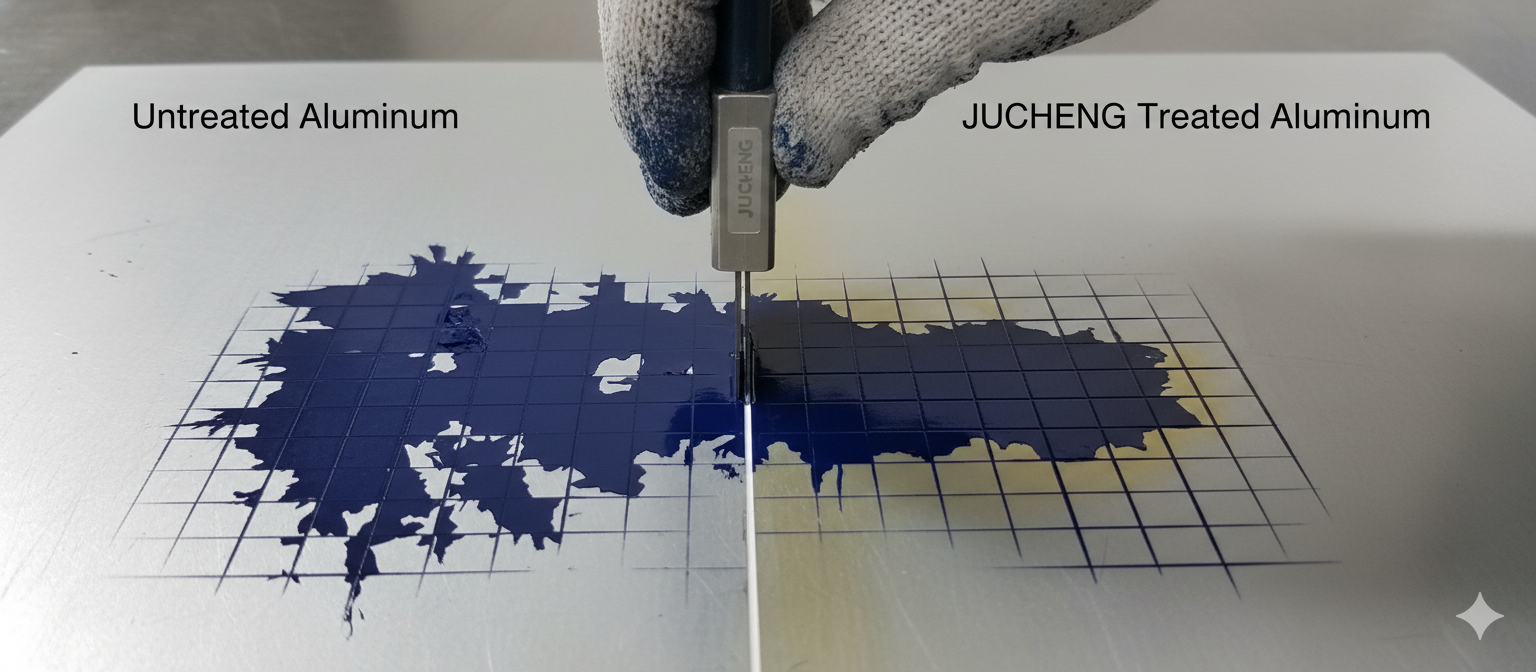
The first major benefit of this new surface is its ability to act as a perfect primer.
The conversion coating has a microscopic, porous structure. This gives the paint a huge amount of surface area to "bite" into. It creates a very strong mechanical bond between the paint and the aluminum.
The result is dramatically improved paint adhesion. A painted part with a conversion coating can pass rigorous adhesion tests, like the cross-hatch test. The paint will not flake or peel, even if it is scratched. This is absolutely critical for any product that needs a durable and long-lasting painted finish.
Benefit 2: Stand-Alone Corrosion Resistance
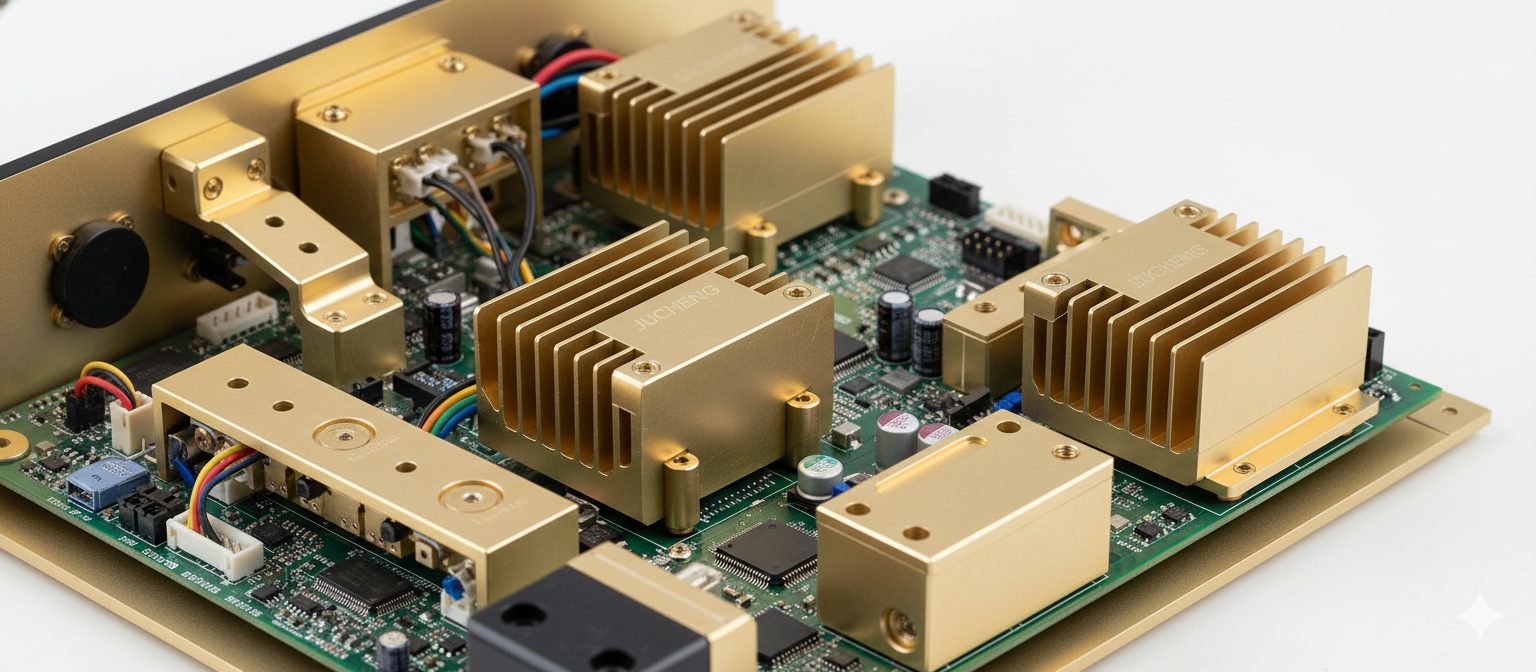
The second major benefit is that the conversion coating itself provides excellent corrosion protection. The film is non-reactive. It seals the aluminum surface from the environment.
This means that for many applications, you do not need to paint the part at all. This is very common for internal components in electronic devices or industrial machines.
These internal parts do not need to look beautiful. But they must not corrode. A chemical conversion coating is a perfect, low-cost solution. It provides the needed protection without adding thickness or changing the part's dimensions. It also maintains electrical conductivity, which is often a requirement for grounding internal chassis components.
When to Choose Aluminum Oxidation
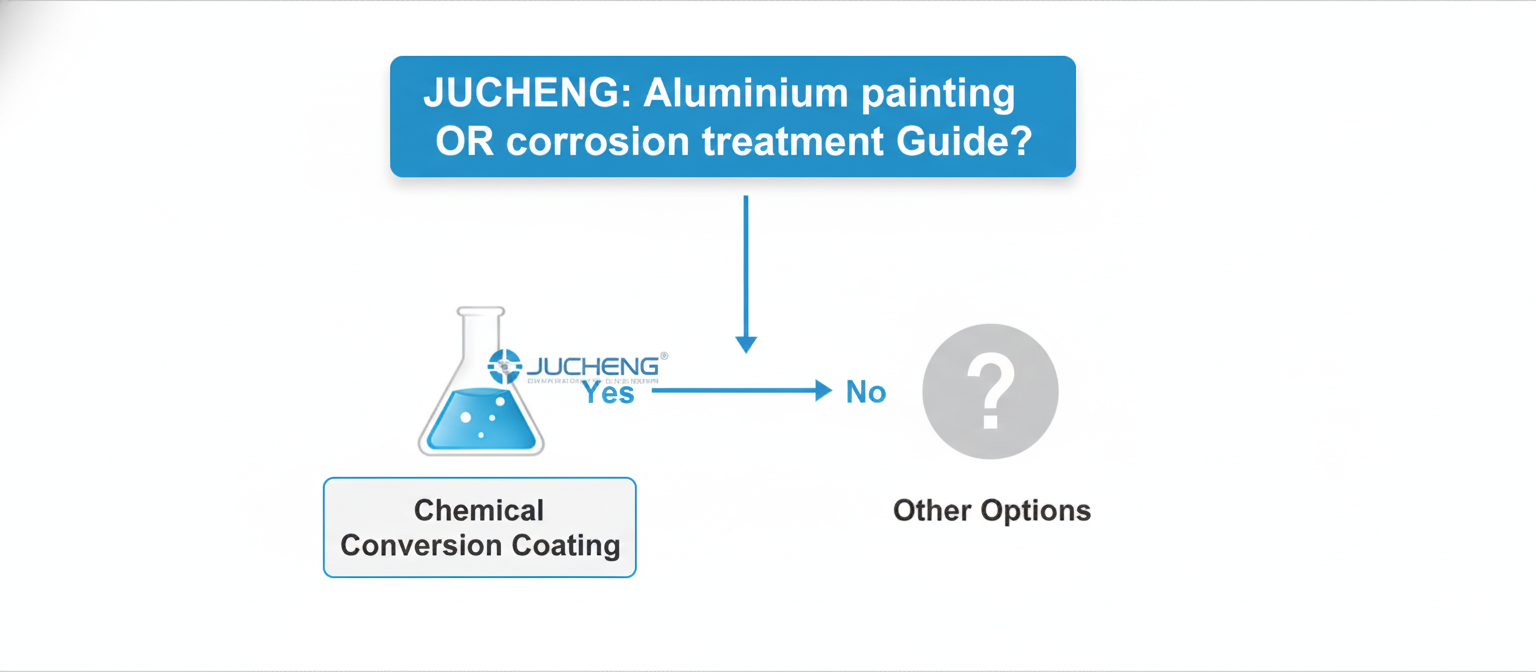
So, when should you specify this process?
You should always use it as a pre-treatment before any liquid paint or powder coating. It is the professional standard. Skipping this step to save a small amount of money is a very bad trade-off.
You should also use it as a final finish for any internal parts that need corrosion protection but do not need a decorative look. This is common in aerospace and defense applications.
Understanding this critical but often invisible step of the Aluminum surface treatment process is a sign of a knowledgeable engineer. It shows that you are thinking not just about how a part looks, but about how it will perform in the long run.

