


Most people think sanding aluminum is a simple, low-skill job. They think its only purpose is to make a rough surface feel smooth. This is a fundamental misunderstanding.
In professional manufacturing, sanding is a critical engineering step. It is the foundation upon which every other beautiful finish is built. A bad sanding job will ruin the most expensive paint or anodizing. A good sanding job is the secret to a flawless product.
This guide will take you behind the scenes of this overlooked process. It will show you why sanding is a science and an art.
content:
Why Sanding is More Than Making it Smooth
The Process: A Journey Through Grits
The Result: A Perfect Canvas
Why This Matters When Choosing a Partner
Why Sanding is More Than Making it Smooth
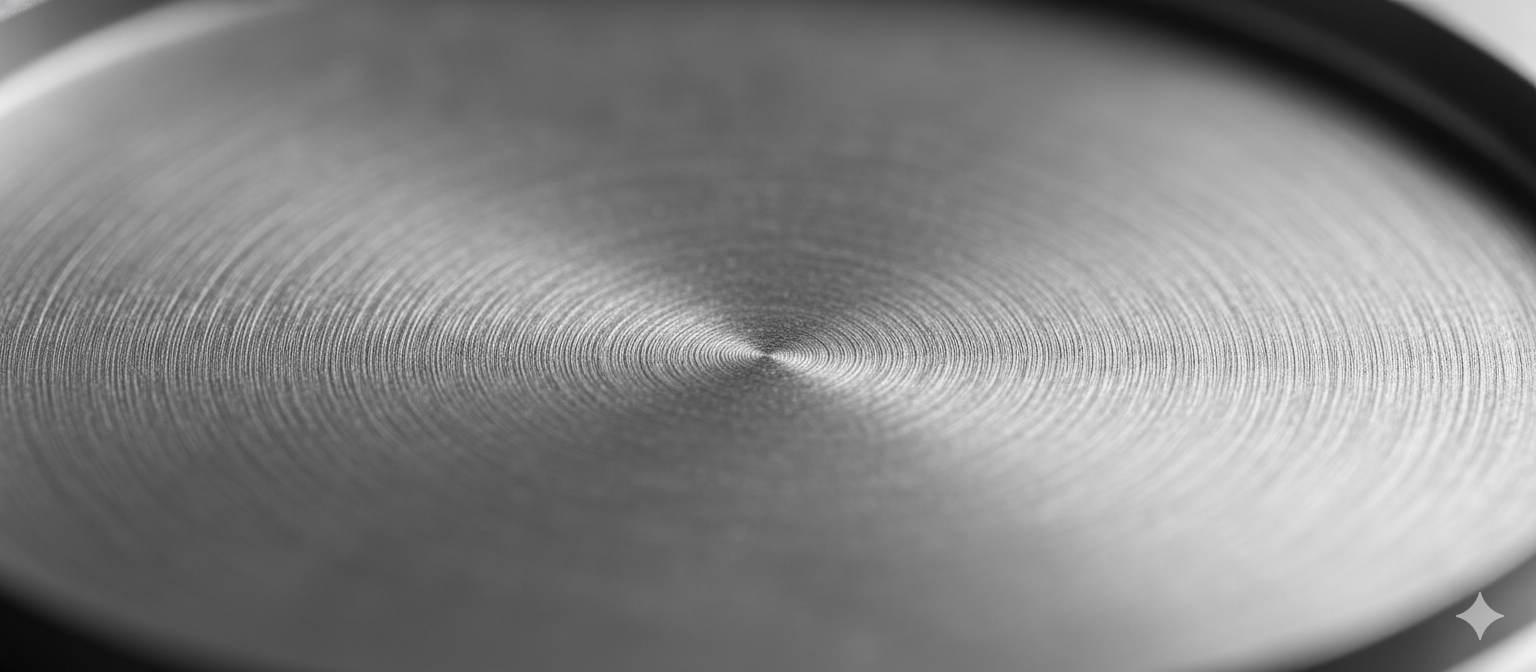
A raw aluminum part that comes off a CNC machine is not ready for finishing. If you look very closely, its surface is covered in tiny ridges and valleys. These are called tool marks.
If you try to paint or anodize a surface with tool marks, the final finish will look terrible. The light will catch these tiny imperfections and create an uneven, low-quality appearance.
The first job of sanding is to remove these tool marks completely. It planes the surface down to a perfectly flat and uniform state.
The second job of sanding is to create a "profile." This means creating a microscopic texture on the surface. This texture is essential for adhesion. It gives the paint or powder coat something to grip onto. A surface that is too smooth, like glass, is actually bad for painting. A properly sanded surface ensures the final coating will stick permanently and not peel or chip off.
The Process: A Journey Through Grits
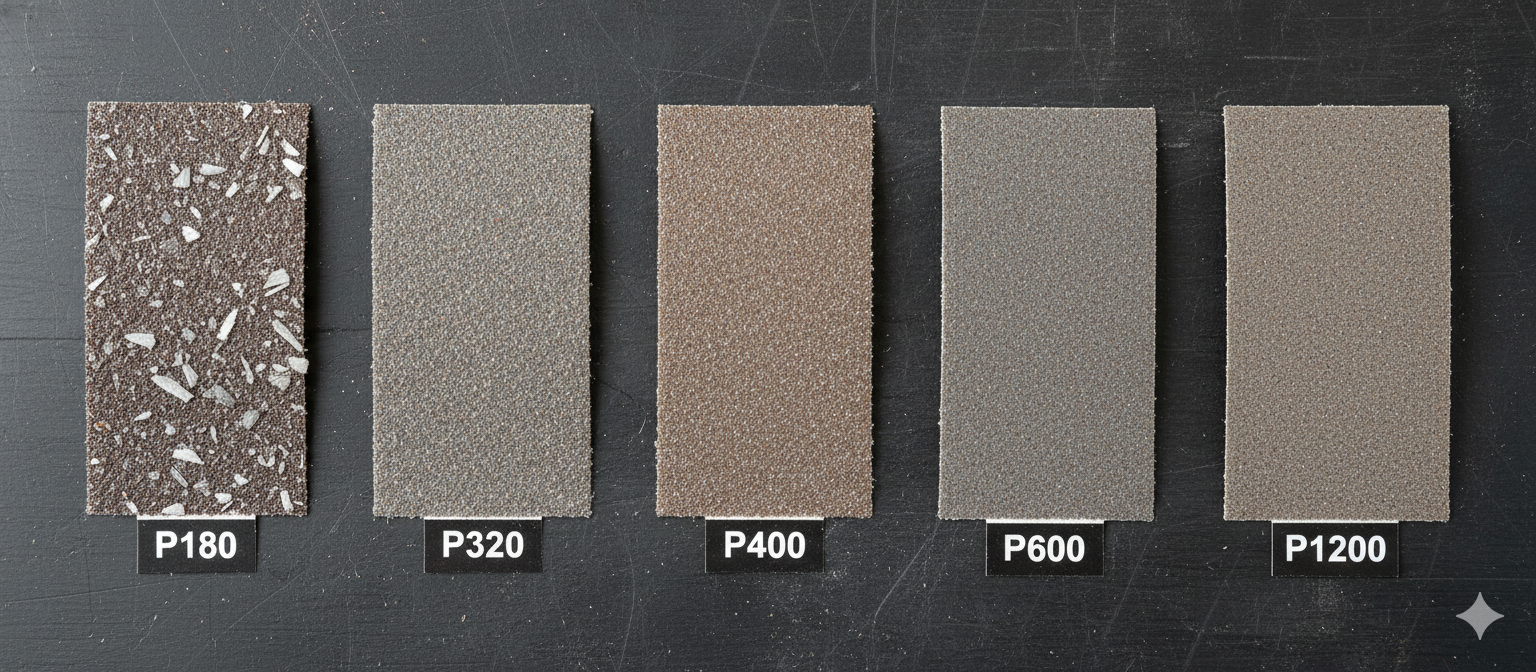
Professional sanding is not a one-step process. It is a careful, multi-stage journey. It involves using sandpaper of different "grits." The grit number refers to how coarse or fine the abrasive particles are. A low number is very coarse. A high number is very fine.
A skilled technician will start with a relatively coarse grit, perhaps 180 or 240. This is aggressive enough to quickly remove the initial machine tool marks. They will sand the entire surface in a consistent direction until all the original marks are gone.
But now, the surface is covered in the scratches from the 240 grit paper. So, the technician will switch to a finer grit, like 320. They will then sand the entire surface again. This time, their goal is to remove the scratches left by the 240 grit paper.
They will repeat this process. They might move to 400 grit, and then to 600 grit. Each step removes the scratches from the previous step, creating a progressively smoother and more uniform surface.
This requires a huge amount of skill and patience. A good technician knows exactly how much pressure to apply. They know how to sand complex curves without changing the shape of the part.
The Result: A Perfect Canvas
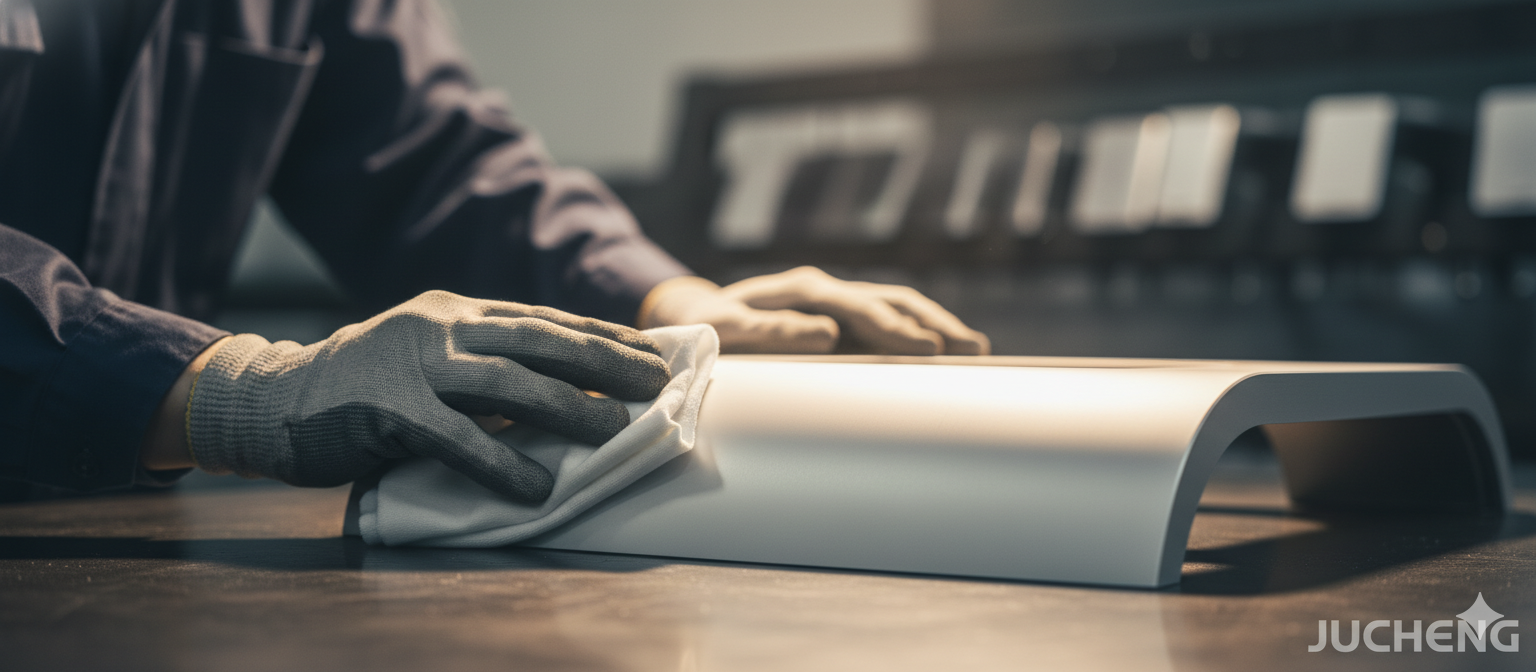
The final goal of sanding depends on the next step in the Aluminum surface treatment process. The technician is not just sanding until it is "smooth." They are creating a specific, engineered surface.
If the part is going to be powder coated, a slightly rougher surface, perhaps from 320 grit, is ideal. This provides an excellent profile for the thick powder to adhere to.
If the part is going to be anodized, a much smoother surface, perhaps from 400 or 600 grit, is needed. Anodizing is a very thin, transparent layer. Any scratch underneath will show through.
If the part is going to be polished to a mirror finish, the sanding process must go to an extremely fine grit, sometimes 1000 or even higher, before the buffing process can even begin.
The result of a proper sanding job is a perfect canvas. It is a surface that is clean, uniform, and perfectly prepared for the final finish.
Why This Matters When Choosing a Partner
Sanding is a labor-intensive step. It is often the first place a cheap supplier will cut corners. They might rush the job. They might skip a grit level. They might not remove all the tool marks.
You might not see this on the raw sanded part. But you will see it in the final product. Your beautiful anodized finish will look blotchy. Your paint will chip easily.
When you choose a manufacturing partner, ask about their finishing process. Ask about their sanding standards. A high-quality partner like JUCHENG has a dedicated department of skilled technicians. They understand that there are no shortcuts to a perfect finish.
They know that the time and effort spent on proper sanding is a critical investment. It is the unseen work that makes a good product truly great.

