


The way a product interacts with light is the first thing a person notices. It is a silent conversation. A matte surface absorbs light and feels calm. A brushed surface directs light and feels modern.
But a mirror-polished surface does something magical. It reflects the world. It makes a solid object feel liquid and alive. This is the power of Aluminum Polishing.
It is far more than just a shiny finish. It is a deliberate design choice. It is a statement of ultimate quality and perfection. This guide explores the art and science behind this demanding Aluminum surface treatment.
content:
The Philosophy: Why We Chase the Perfect Reflection
The Process: A Multi-Stage Pursuit of Smoothness
The Science: When Reflection is a Function
Is Polishing Right for Your Project?
The Philosophy: Why We Chase the Perfect Reflection

In the world of luxury goods, perceived value is everything. A mirror finish communicates a level of quality and craftsmanship that no other surface can.
Think of the interior trim in a high-end car. Or the control knob on a luxury audio system. These small, polished metal details elevate the entire product. They provide a point of visual and tactile delight.
A polished surface feels incredibly smooth and substantial. It is cool to the touch. When a customer interacts with a perfectly polished part, they can feel the quality. It creates an emotional connection.
This is why companies invest in this difficult and expensive process. It is a non-verbal way of telling their customers that they care about every last detail. It is a symbol of perfection.
The Process: A Multi-Stage Pursuit of Smoothness
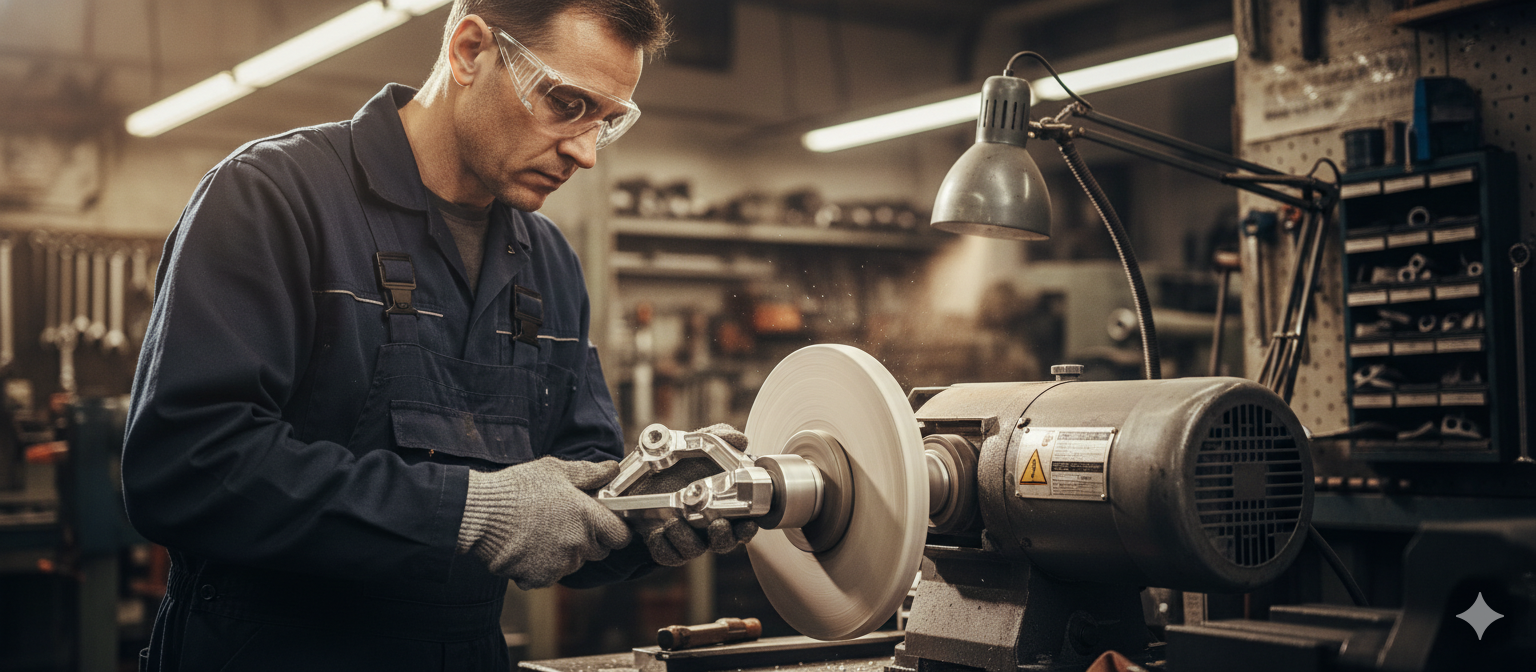
Achieving a true mirror finish is not a single step. It is a long and highly skilled process of refinement.
It begins where a normal sanding process ends. The aluminum part must first be sanded to an extremely fine level. This might mean going all the way to 1000 or even 2000 grit sandpaper. At this stage, the surface is already very smooth, but it has a dull, satin look.
Then the actual polishing begins. This is called buffing. A skilled technician uses a series of rotating wheels made of soft cloth or felt. These wheels are coated with abrasive compounds.
They start with a cutting compound. This is a coarse abrasive that removes the fine scratches left by the sandpaper. The technician must use the perfect amount of pressure and move the part constantly to get a uniform result.
Next, they switch to a finishing compound on a new, softer wheel. This compound is much finer. It removes the even finer scratches left by the cutting compound. This is the step that begins to bring out the deep, reflective shine.
This process is pure craftsmanship. It cannot be fully automated. It relies on the technician's experience and feel. It is what makes a perfect mirror polish so special.
The Science: When Reflection is a Function
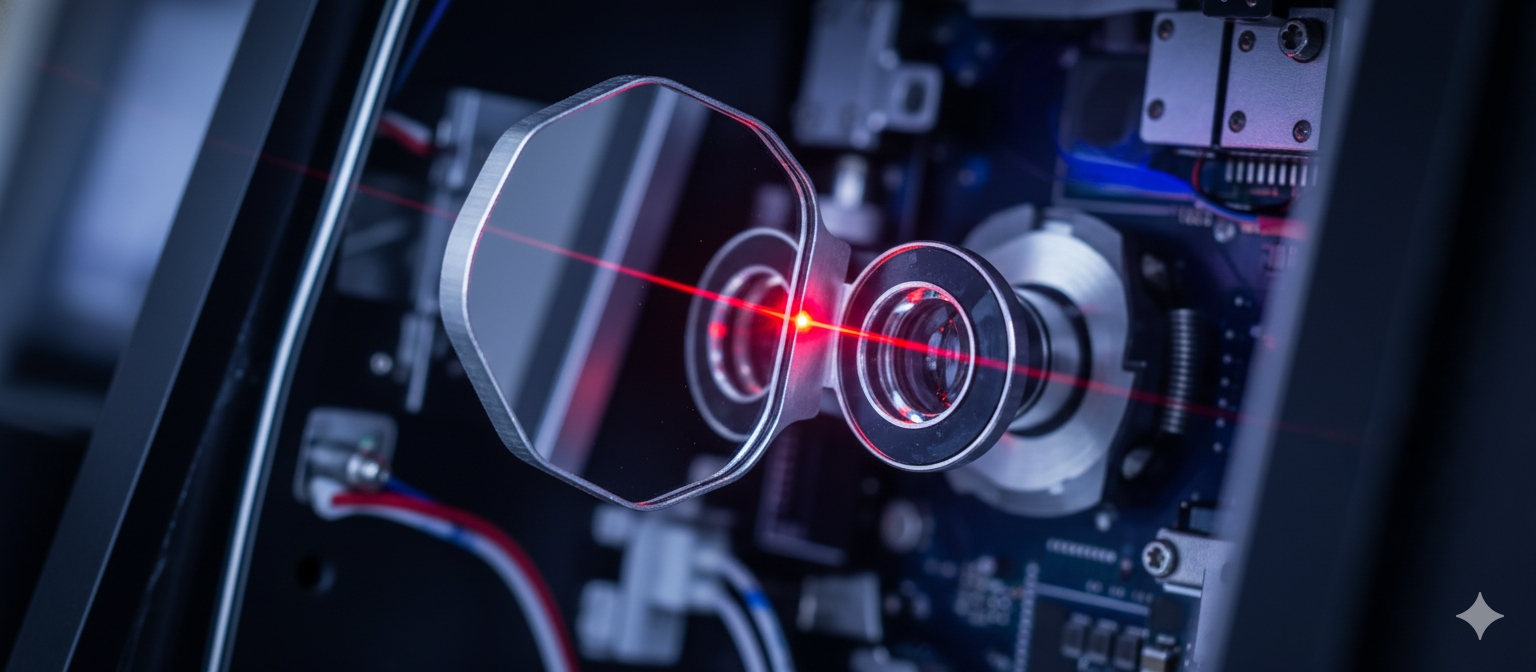
Sometimes, a perfect reflection is not just for beauty. It is a critical engineering requirement.
In the world of scientific and optical instruments, mirrors are essential. And many of these mirrors are not made of glass. They are made from polished aluminum.
Aluminum is lightweight. It is easy to machine into complex shapes. And when it is polished to a very high degree, its surface can be extremely reflective.
These polished aluminum parts are used as mirrors and reflectors in telescopes, laser systems, and other advanced optical equipment. For these applications, the flatness and smoothness of the surface are measured in nanometers.
This is where Aluminum Polishing becomes a high-tech science. It requires extremely precise machines and a deep understanding of optics and materials. It is a great example of how a surface finish can be a key functional component of a product.
Is Polishing Right for Your Project?

A mirror polish is a beautiful and sometimes functional finish. But it is not the right choice for every project.
You must consider two major factors. The first is cost. Polishing is one of the most labor-intensive and therefore expensive surface treatments. It can add a significant amount to the cost of your part.
The second is durability. A polished aluminum surface is relatively soft. It can be easily scratched or dulled by fingerprints. It often requires a clear protective coating, which can slightly reduce its reflectivity. It is not a good choice for parts that will be handled roughly.
Is your product a luxury item where a premium feel is essential? Is it a scientific instrument where reflectivity is a key function? If so, polishing is a powerful option.
But if your product needs to be durable and cost-effective, other finishes like anodizing or brushing are often a smarter choice. A good manufacturing partner can help you weigh these pros and cons.

