


The final finish of a metal part is not a final step. It is a critical engineering decision that must be made at the beginning of the design process. The choice of Aluminum surface treatment will define your product's final look, its feel, its durability, and even its performance.
Many designers see finishing as a simple aesthetic choice. This is a mistake. Is your part for an airplane, where corrosion resistance is a matter of life and death? Is it for a high-end phone, where the feel in the hand is everything? Is it for an industrial machine that must survive a harsh environment for years?
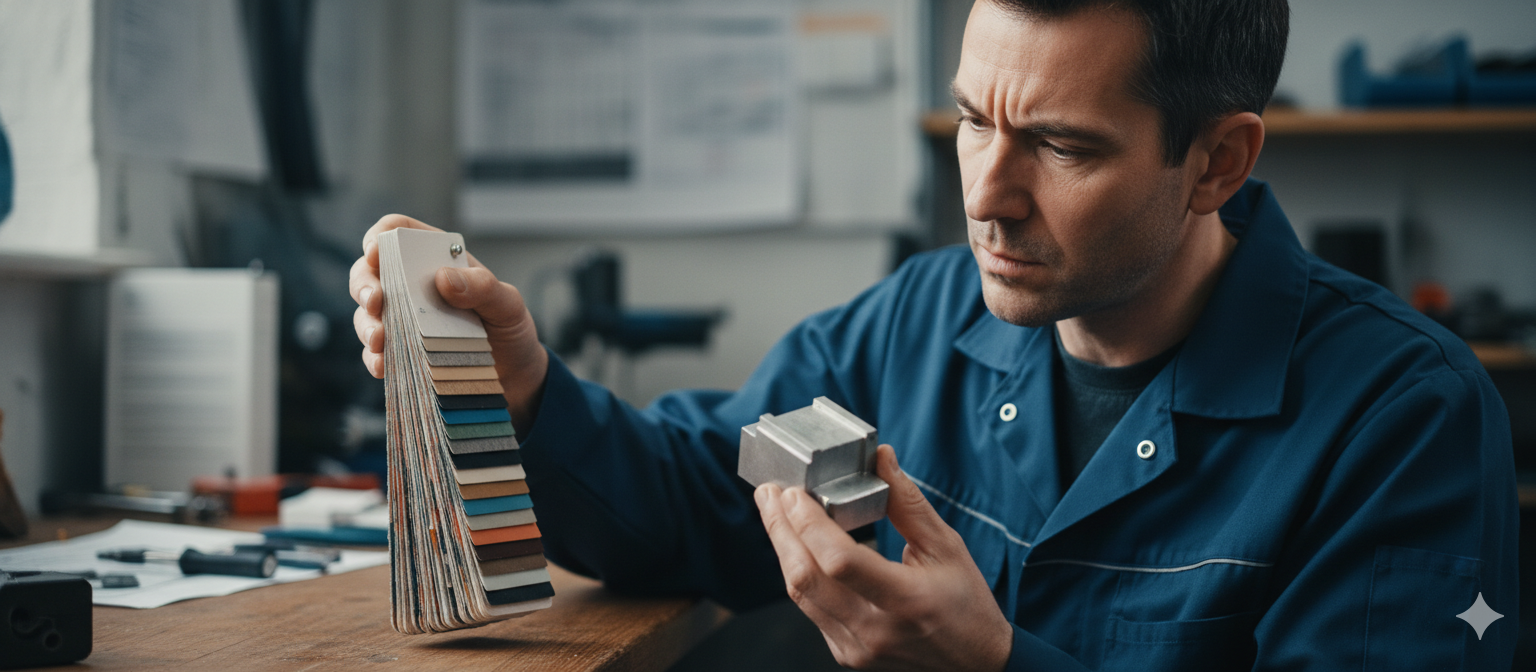
Each of these applications requires a different answer. This guide will explore the most common and critical surface treatments for aluminum. It will help you understand the options and make a smarter choice for your next project.
content:
The Foundation: Sanding Aluminum
For a Mirror Finish: Aluminum Polishing
For a Modern Look: Brushed Aluminum
The Premium Choice: Anodized Aluminum
The Protective Primer: Aluminum Oxidation
For Maximum Stability: Passivation of Aluminum
The Workhorse Finish: Powder Coated Aluminum
Adding a New Metal: Aluminum Plating
For Hardness and Wear: Nickel Plating Aluminum
The Foundation: Sanding Aluminum
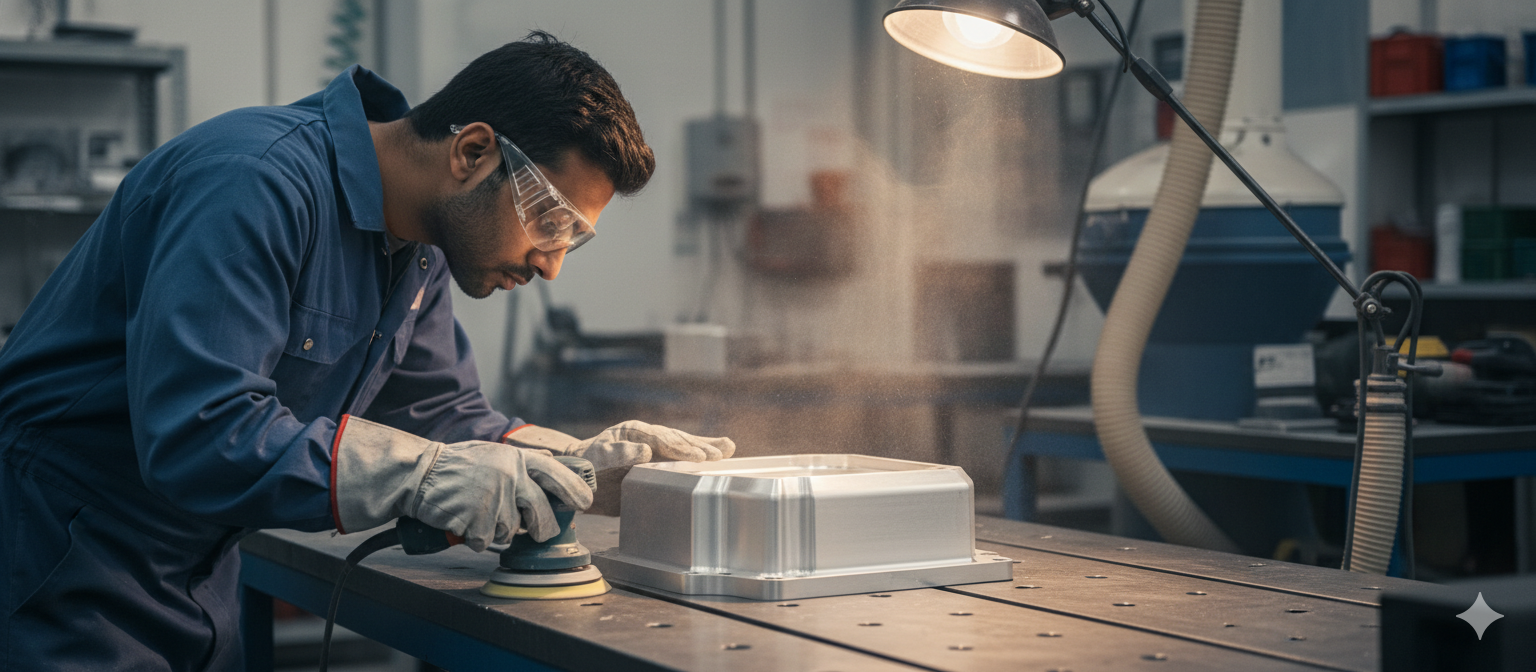
Before you can apply a beautiful finish, you must create a perfect canvas. This is the job of sanding aluminum. Sanding is a fundamental preparation step.
A raw aluminum part from a CNC machine will have tiny, almost invisible tool marks. Sanding removes these imperfections. It creates a uniform, smooth surface. The process uses progressively finer grits of sandpaper to achieve the desired smoothness.
A good sanding job is critical for the final quality. If the surface is not perfectly prepared, any flaws will show through the final paint or anodizing. It is a highly skilled, labor-intensive process that separates good parts from great ones.
For a Mirror Finish: Aluminum Polishing
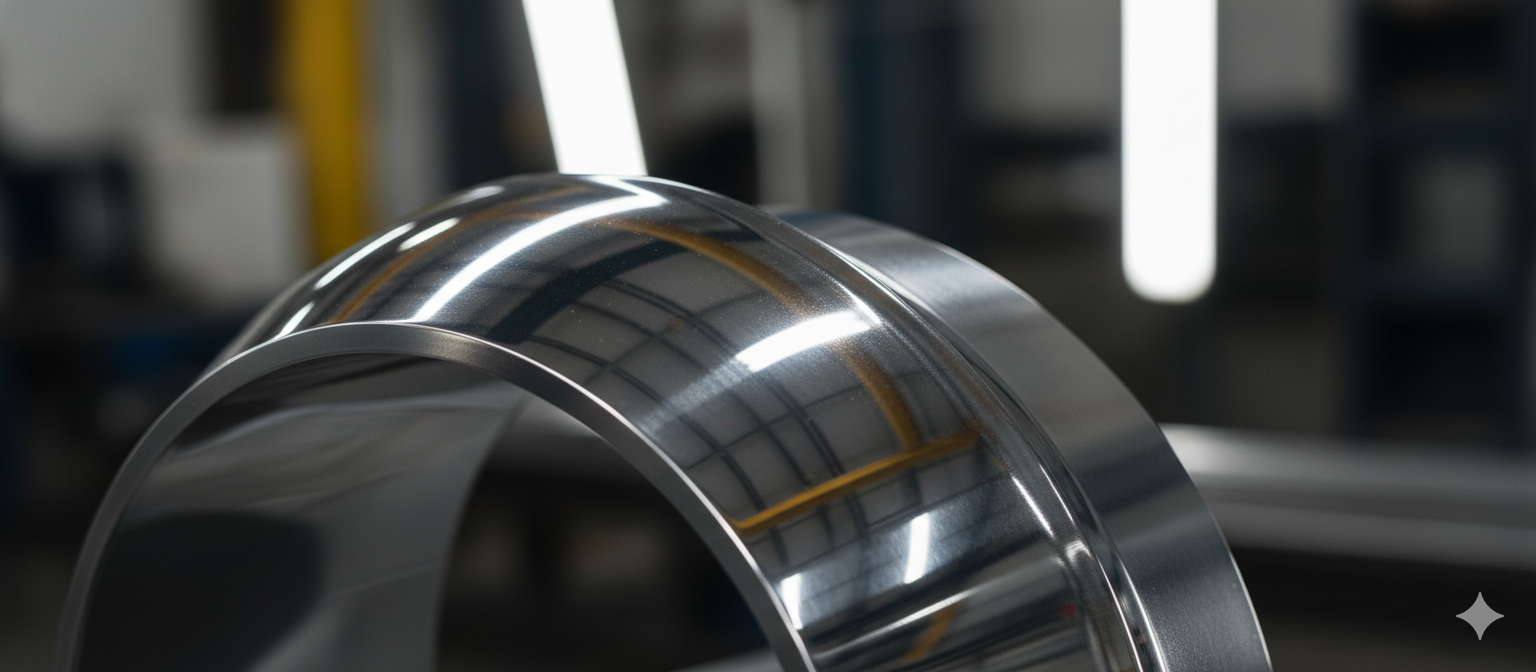
When your goal is a purely aesthetic, mirror-like surface, you need Aluminum Polishing. This process goes beyond sanding.
It uses a series of buffing wheels and special polishing compounds. A skilled technician works the surface of the part until all scratches are removed. The result is a flawless, highly reflective surface that looks like chrome.
This is a very time-consuming process. It is reserved for high-end decorative parts, luxury goods, or show pieces where appearance is the most important factor.
For a Modern Look: Brushed Aluminum
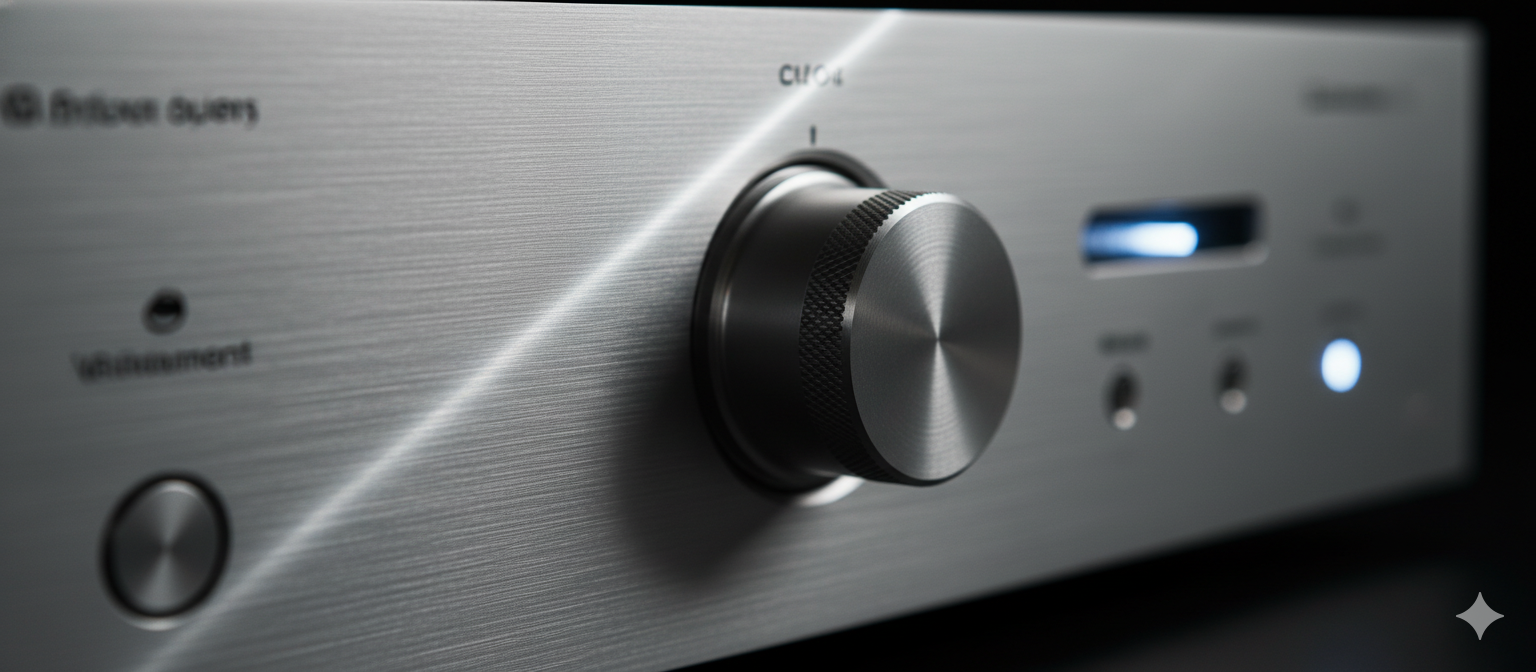
Another popular aesthetic choice is brushed aluminum. Unlike polishing, this process creates a texture. It gives the surface a beautiful satin sheen with fine, parallel lines.
This is achieved by using an abrasive belt or wheel that moves in a single, consistent direction across the part. The resulting "grain" catches the light in a very appealing way.
This finish is very common in high-end consumer electronics and kitchen appliances. It gives products a modern, technical, and clean look. It is also good at hiding fingerprints.
The Premium Choice: Anodized Aluminum
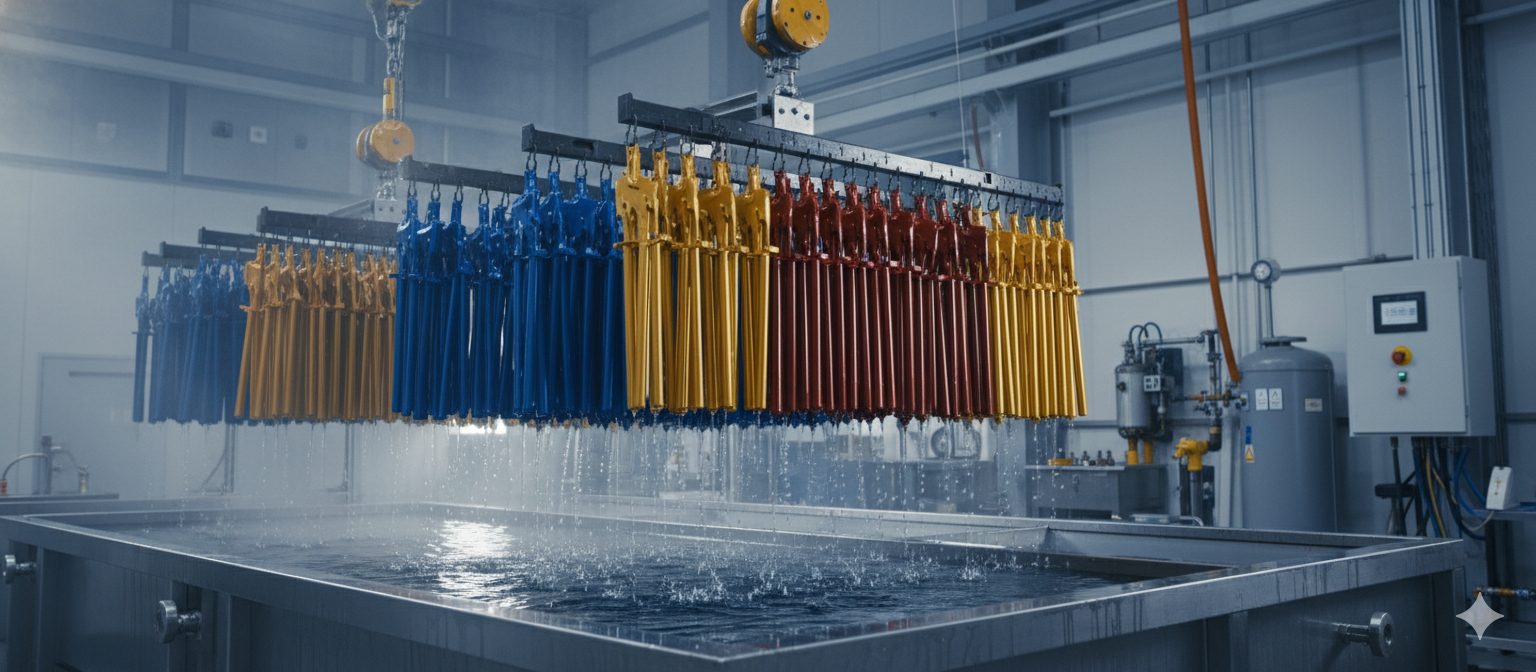
When you need both beauty and durability, the answer is often anodized aluminum. This is one of the most popular finishes for high-quality aluminum products.
Anodizing is an electrochemical process. The aluminum part is submerged in an acid bath and an electric current is passed through it. This grows a very hard, durable layer of aluminum oxide on the surface. This layer is an integral part of the metal. It is not a coating that can chip or peel.
This oxide layer is naturally porous. This means it can be dyed in a wide variety of brilliant colors. This is how you get the colored cases of laptops and phones. The finish is very hard and scratch-resistant. It also provides excellent corrosion protection.
The Protective Primer: Aluminum Oxidation
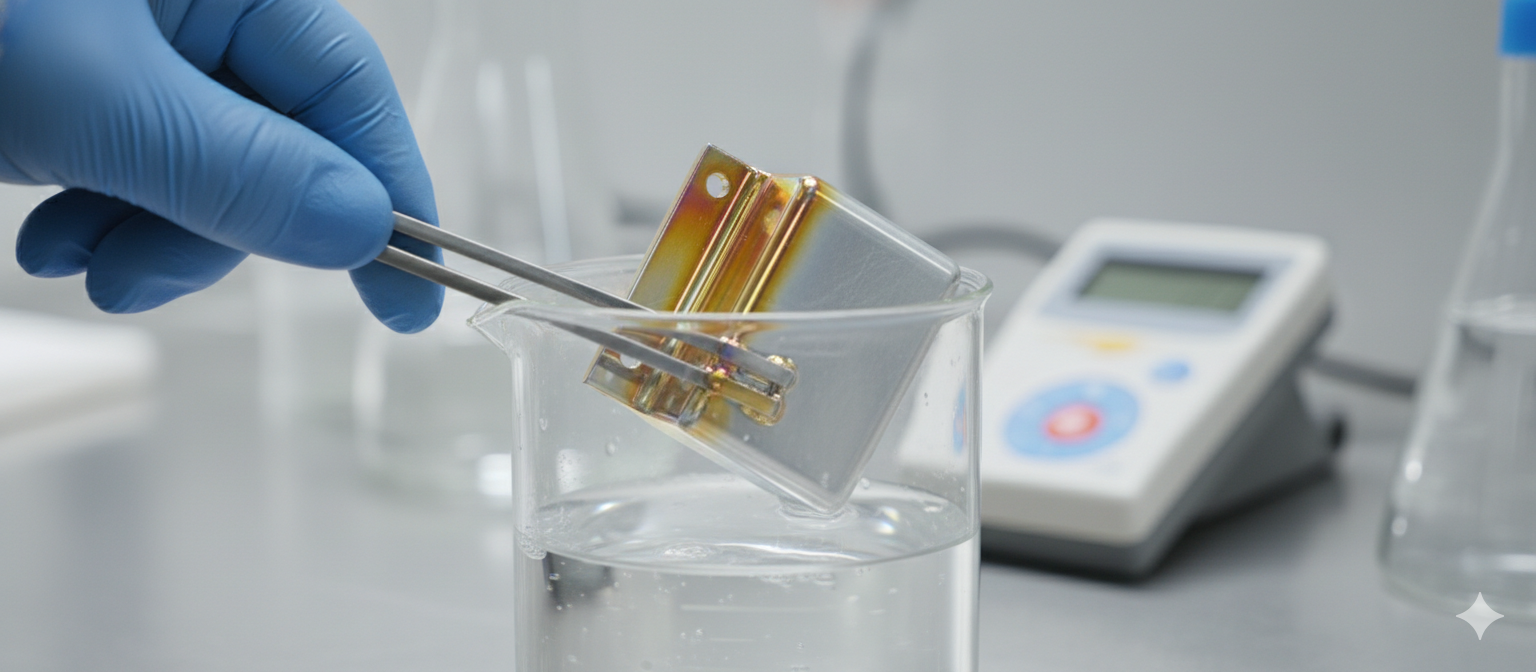
A different, simpler form of protection is Aluminum Oxidation, often called chemical conversion coating. It is not as durable as anodizing, but it is a fast and effective way to add corrosion resistance.
The process involves dipping or spraying the part with a chemical solution. This creates a thin, protective film on the surface. This film has a few key jobs. It is an excellent primer that helps paint or powder coat stick to the aluminum. It also provides good corrosion resistance on its own. And it maintains electrical conductivity, which is important for some electronics applications.
The finish often has a distinct, light yellow or greenish iridescent color. Its main purpose is function, not beauty.
For Maximum Stability: Passivation of Aluminum
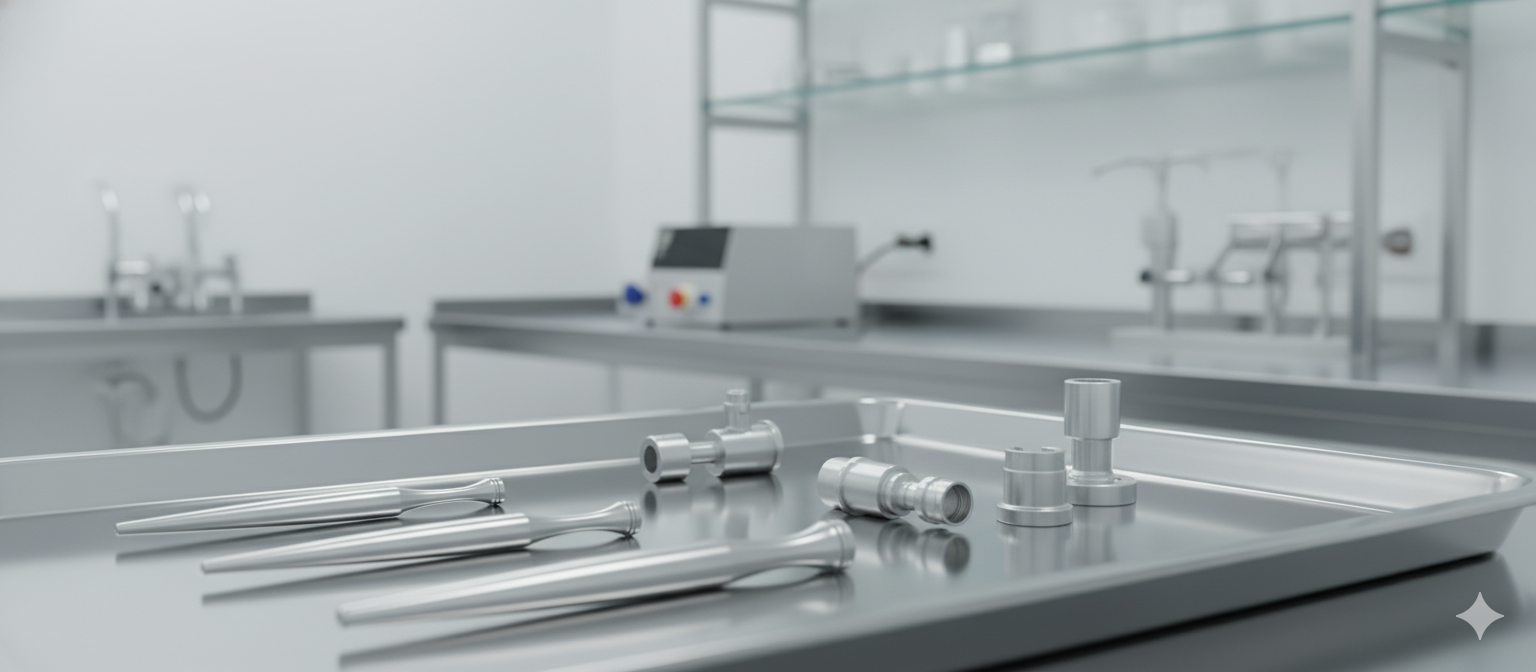
The process of passivation of aluminum is a specific chemical treatment designed to maximize the natural corrosion resistance of the metal.
Aluminum naturally forms a thin, protective oxide layer when exposed to air. Passivation uses a mild acid bath to remove any free iron or other contaminants from the surface. This allows a much more uniform, stable, and protective oxide layer to form.
This process does not significantly change the appearance or dimensions of the part. It is essential in the aerospace and medical industries. For these applications, you need parts that are extremely clean and resistant to any form of corrosion, without adding a separate coating.
The Workhorse Finish: Powder Coated Aluminum
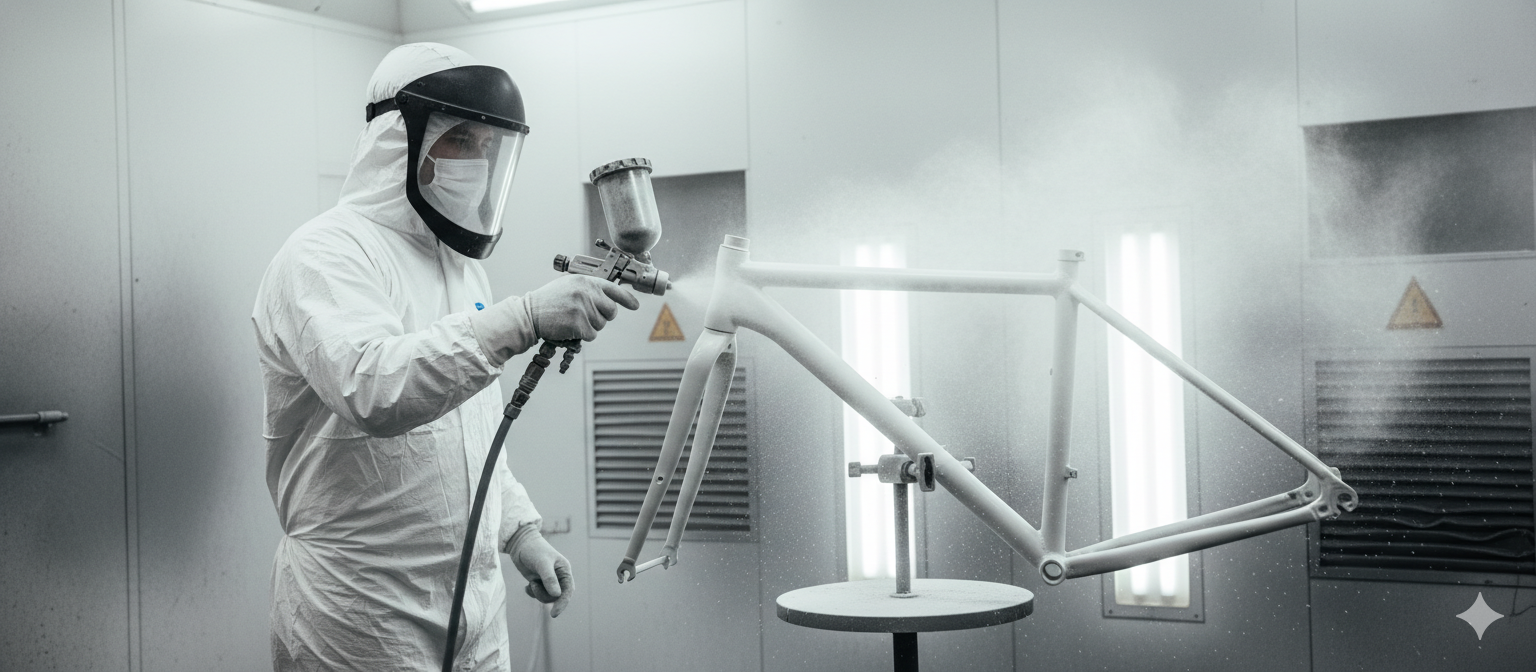
When you need a very tough, durable, and colorful finish, the answer is powder coated aluminum. This is a very common choice for industrial products, outdoor equipment, and automotive parts.
The process uses a dry powder made of polymer resins. This powder is applied to the aluminum part using an electrostatic gun, which makes the powder stick to the metal. The part is then baked in an oven. The heat melts the powder, causing it to flow together and cure into a hard, continuous coating.
This finish is much thicker and more durable than conventional liquid paint. It is highly resistant to scratches, chemicals, and UV light. It is available in thousands of colors and textures.
Adding a New Metal: Aluminum Plating
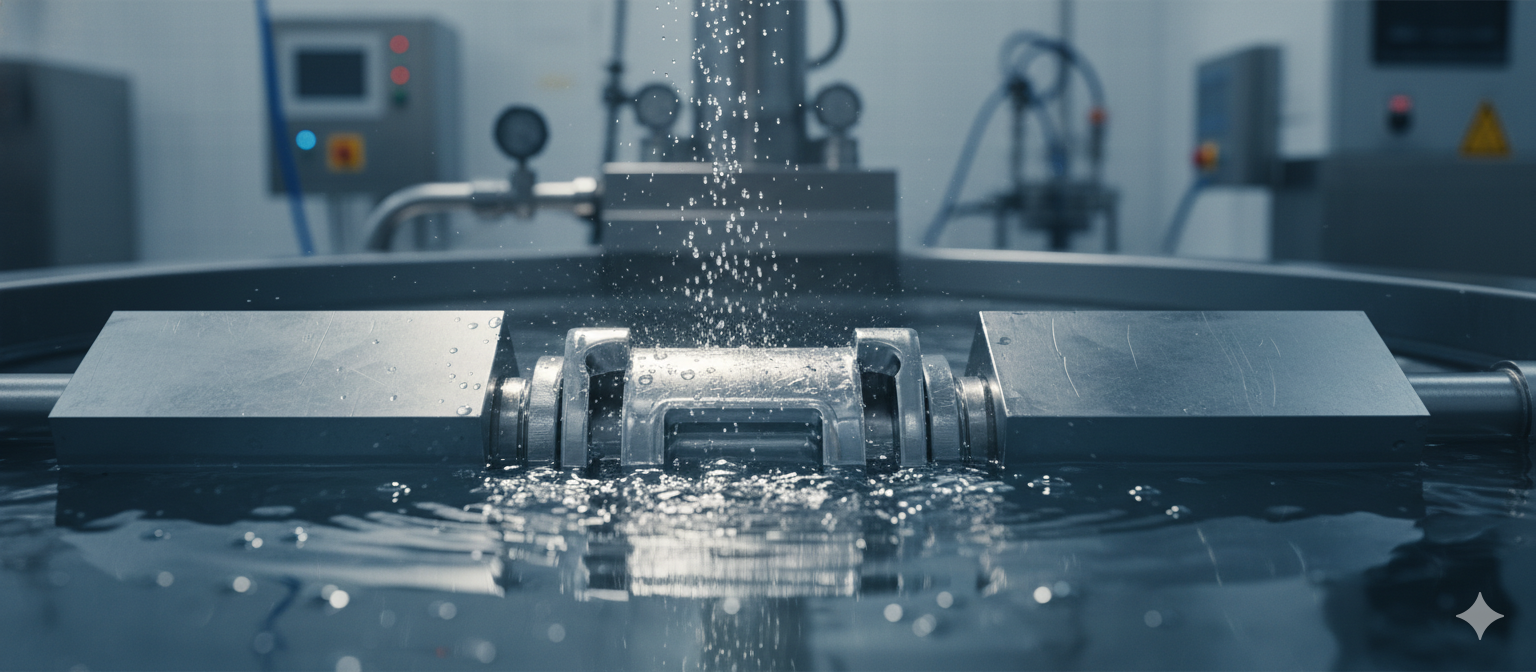
Sometimes, you need properties that aluminum itself does not have. This is where aluminum plating comes in. Plating is the process of depositing a thin layer of a different metal onto the aluminum surface.
This is done for many reasons. To increase wear resistance. To improve solderability. Or to change the appearance. The process is complex. It usually involves a series of chemical cleaning steps followed by an electroplating process.
A key challenge with plating aluminum is adhesion. Aluminum naturally forms an oxide layer very quickly. This layer prevents other metals from sticking to it. A professional plating service must first apply a special series of undercoats to ensure a strong bond.
For Hardness and Wear: Nickel Plating Aluminum
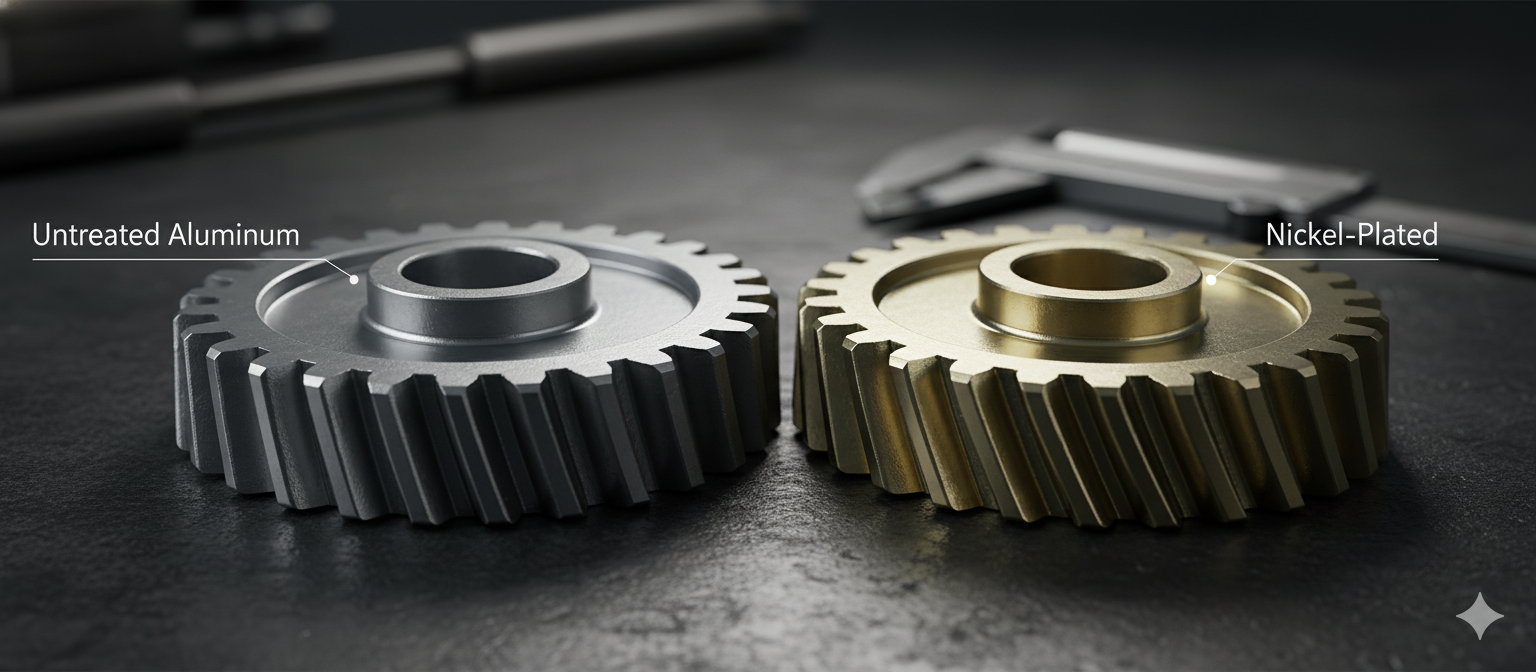
A very common and useful type of plating is nickel plating aluminum. Nickel is a very hard and durable metal.
Adding a layer of nickel to an aluminum part dramatically increases its surface hardness and resistance to wear and abrasion. This is very useful for parts that have moving or sliding contact with other components.
Nickel plating also provides excellent corrosion resistance. And it can serve as a base layer for other decorative platings, like chrome. There are different types of nickel plating, such as electroless nickel, which provides a very uniform coating even on complex internal surfaces. The choice of the right process depends on your specific performance needs. This is a decision that a good manufacturing partner can help you with.

