


Procuring massive plastic shells for low-volume medical equipment constantly destroys engineering budgets. Paying hundreds of thousands of dollars for heavy steel injection molds makes zero financial sense when selling only fifty ultrasound carts annually. Upgrading your factory strategy to hybrid manufacturing bridges this massive financial gap perfectly. Deploying a custom Diagnostic instrument housing built via reaction injection molding and sheet metal saves immense capital while delivering absolutely flawless clinical aesthetics.

Clinical environments subject these massive machines to brutal chemical washdowns and severe electromagnetic interference. Flimsy desktop plastics fail instantly when bombarded by harsh hospital sterilization bleach and MRI radiation. Validating a robust Medical device enclosure prototype ensures your expensive internal sensors survive these chaotic medical wards without suffering catastrophic electrical shorts.
Navigating complex clinical fabrication demands ruthless pragmatism. Let's dissect why reaction injection dominates large geometries, how folded metal provides unyielding internal support, and why shielding your diagnostic hardware guarantees strict regulatory compliance.
content:
Clinical Requirements: Shielding, Cooling, and Radiation
Reaction Injection Molding: Conquering Massive Shapes
Sheet Metal Fabrication: Forging Internal Structural Integrity
Electromagnetic Defense and Medical-Grade Painting
Laboratory Analyzer Casing: Perfecting Precision Assemblies
FAQ: Honest Answers About Painting and Shielding
Clinical Requirements: Shielding, Cooling, and Radiation

Why must large hospital machines utilize advanced internal cooling systems?
Powerful processors generating complex ultrasound imaging create extreme thermal loads that actively threaten to melt surrounding plastic walls if not properly exhausted through customized ventilation arrays.
Protecting sensitive imaging motherboards requires blocking chaotic hospital radio waves completely. Magnetic resonance imaging machines constantly emit massive electromagnetic spikes that instantly corrupt unshielded diagnostic data streams, causing fatal false-positive readings.
Nurses demand flawless, smooth exterior surfaces for rapid daily cleaning. Deep geometric crevices and sharp ninety-degree corners trap dangerous biological fluids, entirely evading standard hospital wipe-down protocols and spreading dangerous infections.
Reaction Injection Molding: Conquering Massive Shapes
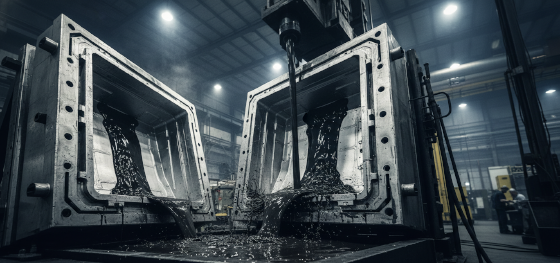
How do factories cast two-meter-tall panels without expensive high-pressure tooling?
Mixing two highly volatile liquid polymers inside a cheap aluminum cavity triggers a rapid chemical expansion, forcing the material into massive geometric voids effortlessly and without extreme hydraulic force.
Traditional high-tonnage presses cannot physically push melted plastic far enough to cover giant medical carts before the material freezes. Low-viscosity liquids used in Reaction Injection Molding (RIM) flow perfectly like water, capturing microscopic aesthetic details across huge surface areas.
Slashing your upfront NRE tooling invoice remains the ultimate commercial advantage. Operating our precision manufacturing hub allows us to deploy affordable aluminum molds for your Diagnostic instrument housing, destroying the financial barriers of low-volume production.
Sheet Metal Fabrication: Forging Internal Structural Integrity
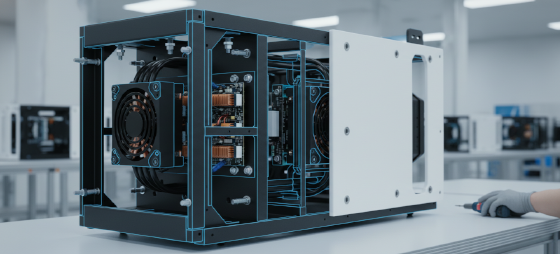
Why do massive plastic medical carts require hidden internal metallic skeletons?
Heavy robotic arms and massive power supplies easily crack pure polymer chassis panels under extreme kinetic torque; thick metal framing absorbs that brutal physical stress perfectly.
Bending heavy steel plates on hydraulic presses creates an indestructible foundational core. Technicians bolt the beautiful, organically curved RIM plastic panels directly onto this unyielding Sheet Metal frame, securing both premium aesthetics and military-grade strength.
Customizing complex internal layouts becomes incredibly cost-effective using sheet metal. Laser-cutting precise ventilation slots and mounting brackets takes seconds, ensuring perfect component fitment without requiring any modifications to the expensive exterior plastic mold.
Electromagnetic Defense and Medical-Grade Painting
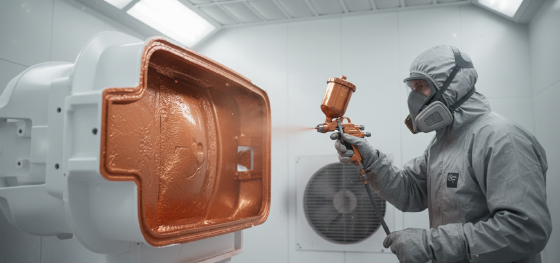
How do engineers block radio interference from escaping thick plastic shells?
Spraying specialized conductive copper or nickel coatings directly onto the internal plastic walls creates an impenetrable Faraday cage, safely trapping chaotic electromagnetic noise.
Bare polyurethane panels require aggressive cosmetic defense against harsh sterilization bleach. We route your casings directly into our dust-free cleanrooms, applying heavy-duty automotive-grade paints that lock out corrosive clinical chemicals permanently.
Consolidating your structural skeleton and your exterior painted shells inside JC Rapid eliminates toxic supply chain friction. Sending raw parts to a separate paint shop across town guarantees severe transit scratching and massive logistical delays.
Laboratory Analyzer Casing: Perfecting Precision Assemblies
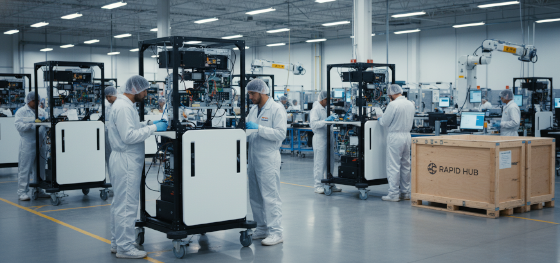
Does this hybrid manufacturing approach work for smaller benchtop testing equipment?
Absolutely; blending precise sheet metal bases with vacuum-cast polyurethane tops delivers flawless, injection-molded quality for highly compact blood testing machines.
Securing a robust Laboratory analyzer casing follows the exact same clinical rules. Chemical immunity and zero-gap tolerances remain absolutely mandatory when handling dangerous bio-hazardous fluids inside crowded, fast-paced hospital laboratories.
Stop bleeding venture capital on overpriced tooling and mismatched assemblies. Send your complex CAD files to our engineering team today for a rigorous DFM audit, securing flawless clinical hardware built to scale affordably.
FAQ: Honest Answers About Painting and Shielding

Can thick copper shielding paint cause internal short circuits?
Careless application certainly can. Masking off critical motherboard standoffs and exposed wiring channels before spraying the conductive coating remains absolutely mandatory for electrical safety.
Do reaction injection molded panels warp under direct sunlight?
Untreated polyurethane slowly degrades and yellows under intense UV radiation. Applying premium UV-resistant clinical paints locks the pristine white aesthetic in place permanently.
Why do some painted medical enclosures chip easily on the corners?
Failing to apply chemical adhesion promoters before painting leaves the coating highly vulnerable. We specifically etch the polyurethane surface to ensure indestructible wet paint adhesion.
Will heavy sheet metal frames rust inside humid hospital environments?
Not when properly protected. We deploy heavy-duty powder coating or utilize marine-grade stainless steel to guarantee your internal skeletons never rust or weaken over time.

