


Developing clinical hardware requires absolute biological defense. Hospitals constantly bombard operating room equipment with highly corrosive bleach and heavy industrial alcohol to prevent cross-contamination. Specifying cheap commercial plastics guarantees those harsh chemicals will melt the outer chassis, creating microscopic cracks where deadly bacteria multiply silently. Fabricating a rigorous Medical device enclosure prototype permanently neutralizes this severe liability. Evaluating dense, non-porous materials before committing to massive factory volumes ensures your diagnostic tools survive brutal daily wipe-downs without endangering patients.
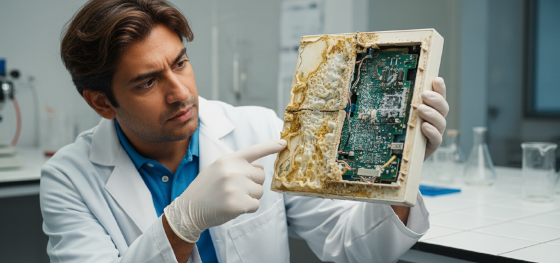
Procurement teams attempting to rush medical product launches often skip critical geometric validation. Sending untested CAD files directly into permanent steel molds triggers devastating financial losses when the circuit boards ultimately fail to fit inside the warped plastic. Testing physical hardware uncovers fatal internal clearance issues immediately.
Securing federal regulatory approval mandates strict material traceability and flawless assembly tolerances. Let's dissect the brutal chemical realities of clinical environments, compare advanced fabrication methods for massive cart panels, and understand why ergonomic design saves surgical procedures.
content:
Clinical Survival: The Rigorous Demands of Medical Prototyping
Fabrication Logic: Choosing the Right Manufacturing Process
Chemical Defense: Biocompatible Materials for Medical Enclosures
Tactile Safety: Ergonomics and User-Centric Designs
Turnkey Hub: Partnering with JC Rapid for Your Medical Devices
FAQ: Honest Answers About Sterilization and Compliance
Clinical Survival: The Rigorous Demands of Medical Prototyping

Why do standard consumer electronics fail instantly inside surgical wards?
Standard hardware housings absorb moisture and degrade rapidly under UV sterilization lights, while medical-grade enclosures must possess absolute chemical immunity to survive continuous autoclave heating and toxic bleach baths.
Protecting fragile internal motherboards requires impenetrable exterior armor. Intravenous fluids and conductive blood splatter will violently short-circuit any diagnostic sensor if the outer chassis contains microscopic geometric gaps.
Validating an ISO 13485 compliant prototype during the beta phase guarantees your assembly processes align perfectly with strict federal health regulations. Regulators demand exhaustive documentation proving your hardware physically repels biological contamination before authorizing market access.
Fabrication Logic: Choosing the Right Manufacturing Process
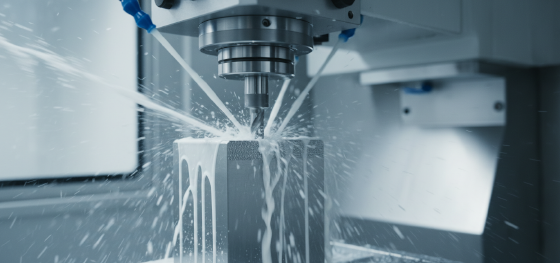
Matching your clinical blueprint to the correct factory equipment saves massive capital. Designing complex internal geometries demands entirely different machinery than pouring large structural panels.
CNC Machining for Functional Testing
Carving solid billets provides ultimate structural truth. Manufacturing a Disposable surgical tool handle CNC requires subtractive CNC machining to hit microscopic zero-gap tolerances that ensure scalpel blades never wobble during critical operations.
Vacuum Casting & RIM for Large Medical Housings
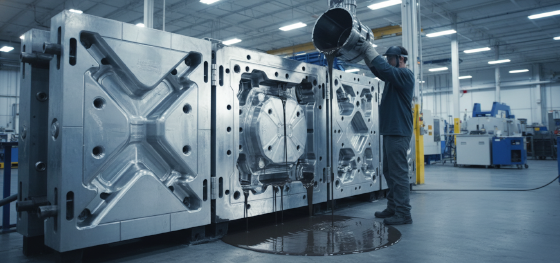
Pouring liquid polyurethane bypasses heavy steel tooling completely. Constructing a massive Diagnostic instrument housing utilizes Reaction Injection Molding (RIM) to fill giant molds without extreme hydraulic pressure, creating flawless exterior panels for heavy hospital carts. Vacuum casting handles smaller, highly detailed benchtop batches perfectly.
Rapid Injection Molding for On-Demand Production
Scaling into clinical trials demands bridging the gap between testing and mass volume. Deploying Rapid injection molding uses affordable aluminum cavities to push thousands of identical plastic components efficiently, verifying material shrinkage before cutting permanent steel.
Chemical Defense: Biocompatible Materials for Medical Enclosures
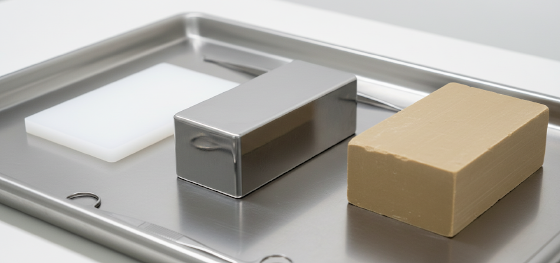
Specifying clinical polymers prevents catastrophic patient reactions. The engineering matrix below benchmarks the specific materials required to survive heavy clinical abuse.
| Clinical Material | Primary Engineering Advantage | Best Healthcare Application |
|---|---|---|
| PEEK (Polyether Ether Ketone) | Absolute thermal stability, survives repeated high-pressure steam autoclave cycles effortlessly. | Surgical handles and internal load-bearing components. |
| Polycarbonate (PC) / ABS | Excellent impact resistance, easily achieves a flawless glossy white aesthetic finish. | Exterior monitor shells and portable diagnostic devices. |
| Stainless Steel (316L) | Unyielding structural rigidity and total immunity to harsh biological corrosion. | Heavy fluid pumps and critical orthopedic instruments. |
Building a massive Laboratory analyzer casing usually dictates blending robust PC/ABS polymers for the exterior while utilizing rigid metal brackets internally to support heavy chemical testing vials safely.
Tactile Safety: Ergonomics and User-Centric Designs
How do industrial designers prevent surgeons from dropping expensive tools?
Integrating advanced two-color injection molding allows factories to permanently bond soft, grippy elastomeric rubber directly over a rigid plastic skeleton, providing absolute tactile control even when covered in fluids.
Surgeons require absolute tactile security during grueling twelve-hour operations. A slippery Handheld medical device shell introduces terrifying malpractice liability if the instrument falls onto the floor.
Milling deep ergonomic finger grooves into the solid structure removes user fatigue completely. We actively analyze the precise center of gravity during the prototyping phase to guarantee the final hardware feels perfectly balanced in the physician's hand.
Turnkey Hub: Partnering with JC Rapid for Your Medical Devices
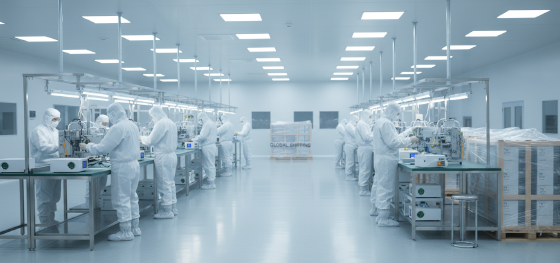
Time-to-market defines commercial survival for clinical startups. Bouncing between a machine shop and a separate cleanroom painter creates massive logistical delays and invites severe cosmetic scratching during transit.
Consolidating your entire hardware journey eliminates this friction completely. JC Rapid provides flawless subtractive milling, advanced polymer casting, and sterile surface finishing entirely under one highly controlled roof.
Stop risking your medical launch on fragmented supply chains. Send your complex CAD models to our engineering department today for a rigorous DFM audit. We will validate your structural chemistry and deliver flawless, compliance-ready healthcare hardware instantly.
FAQ: Honest Answers About Sterilization and Compliance

Will the medical grade white paint yellow when exposed to UV sterilization lights?
Standard commercial paints degrade rapidly. We strictly utilize specialized UV-resistant polyurethane coatings formulated explicitly to maintain a brilliant white clinical aesthetic indefinitely.
Do vacuum-cast polyurethane prototypes physically survive steam autoclave cycles?
No, standard casting resins will soften and melt under extreme pressurized steam. Autoclave survival demands either high-end PEEK polymer machining or specialized high-temp injection molding.
Can you silk-screen corporate logos using highly chemical-resistant inks?
Absolutely. We deploy heavy-duty two-part epoxy inks that chemically fuse to the casing, ensuring your corporate branding refuses to wipe off during aggressive bleach cleaning.
Why do medical device engineers completely avoid sharp internal ninety-degree corners?
Sharp geometric corners create microscopic traps where dangerous biological fluids and bacteria pool, completely evading standard hospital wipe-down procedures. Smooth, sweeping radii remain mandatory for cleanliness.

