


Designing heavy laptops or massive electric vehicle batteries forces engineering teams into a brutal corner. Consumers demand ultra-portable devices, while automotive regulators demand massive mileage ranges, making every single gram of extra weight a massive liability. Shrinking the overall footprint by switching to plastic ruins the premium feel of the product and introduces severe heat dissipation failures. Evaluating your baseline die casting materials usually reveals that traditional metals are simply too heavy for these cutting-edge applications. Deploying magnesium die casting fundamentally shatters this barrier, providing the cold, rigid feel of solid metal at a fraction of the mass.
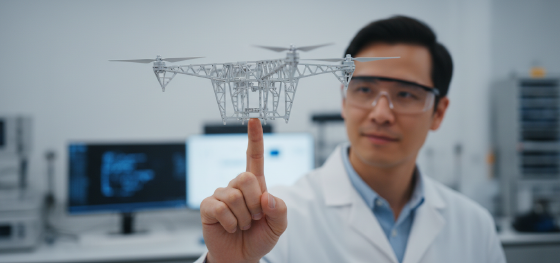
Procurement teams often hesitate to source this specific lightweight alloy because handling it in a molten state requires intense factory safety protocols. Cheap brokers actively avoid it because they lack the expensive shielding gas equipment required to prevent the liquid metal from igniting on the factory floor. Operating from our Shenzhen precision manufacturing hub, Jucheng Precision entirely neutralizes these manufacturing hazards.
Mastering this featherweight metal unlocks incredible geometric freedom for industrial designers. Let's explore exactly why top-tier consumer brands rely on this alloy for their flagship products, how it naturally blocks electronic noise, and why relying on a single turnkey manufacturer is absolutely critical for anti-corrosion survival.
content:
The High-End Standard: Dominating Auto and Electronics
Material Properties: Thin Walls and EMI Shielding
Technical Data: Benchmarking the Lightweight Rivals
JUCHENG Hub: Shenzhen's Advanced Finishing Arsenal
FAQ: Honest Answers About Rust, Machining, and Safety
The High-End Standard: Dominating Auto and Electronics

What drives luxury camera brands and EV manufacturers to specify this metal?
It is recognized as the lightest structural metal on the planet, weighing significantly less than aluminum while retaining enough impact resistance to protect expensive internal electronics during a severe drop.
Electric vehicle steering wheels and dashboard frames must pass rigorous crash-test standards without adding massive weight to the chassis. Relying on steel or heavy alloys drastically limits the range of the vehicle. This featherweight metal absorbs crash energy beautifully, making it the premier choice for automotive interior structures.
Consumer electronics demand an entirely different visual and tactile experience. When a photographer picks up a $3,000 mirrorless camera, a plastic body feels incredibly cheap and hollow. Providing a cold, solid metallic housing that does not strain the user's wrist during an all-day photoshoot instantly justifies the premium retail price tag.
Material Properties: Thin Walls and EMI Shielding

How thin can engineers actually design a structural laptop chassis?
Because the liquid alloy flows with incredibly low viscosity under extreme pressure, factories routinely cast massive chassis shells with walls as paper-thin as 0.6 millimeters.
Pouring this aggressive liquid into a steel mold unlocks massive design consolidation. Unlike plastic, which requires thick walls to achieve any decent rigidity, this metal allows hardware teams to shrink the overall footprint of portable medical devices and smart tablets without sacrificing structural strength.
Vibration dampening and electromagnetic interference (EMI) shielding represent massive secondary bonuses. Plastic enclosures require expensive internal copper foil tape to stop electronic noise from ruining motherboards. This metal naturally blocks those frequencies, allowing the chassis itself to act as a built-in Faraday cage while absorbing harsh mechanical vibrations from cooling fans.
Technical Data: Benchmarking the Lightweight Rivals
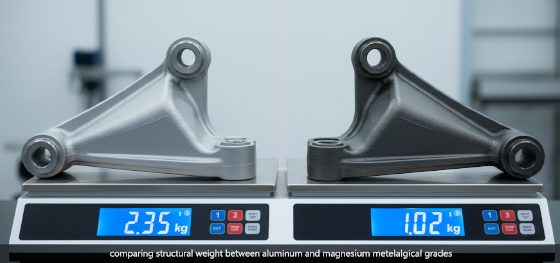
Evaluating die cast magnesium vs aluminum is a mandatory engineering step for any portable hardware project. The matrix below clearly defines when the extra raw material cost is mathematically justified by the physical performance gains.
| Engineering Metric | JUCHENG Magnesium Alloy (AZ91D) | Standard Aluminum (A380) |
|---|---|---|
| Relative Weight | Extremely Light (33% lighter) | Moderate (Industry baseline) |
| Tooling Lifespan | 500,000+ Shots (Low thermal shock) | 100,000 Shots (High heat wear) |
| CNC Machinability | Excellent (Cuts extremely fast) | Good (Can be gummy on drill bits) |
| Corrosion Resistance | Poor (Mandatory surface coating needed) | Excellent (Natural oxide layer) |
Upgrading to this featherweight alloy massively extends your tooling lifespan. Because it requires less thermal energy to melt, the steel molds suffer significantly less heat-checking and thermal fatigue, offsetting the slightly higher ingot price during massive production runs.
JUCHENG Hub: Shenzhen's Advanced Finishing Arsenal
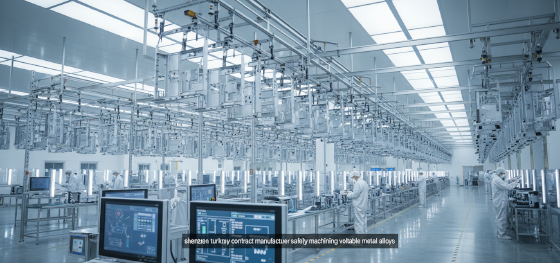
How does Jucheng Precision prevent these lightweight parts from rusting before delivery?
By keeping the entire production loop in-house; we cast the metal, immediately execute any CNC threading, and apply protective chemical conversion coatings within hours to seal the surface permanently.
Handling volatile metals requires massive industrial flexibility. Depending on the size of your part, we dynamically deploy either our hot chamber die casting process for ultra-fast micro components or our heavy-duty cold chamber die casting process for massive automotive steering wheels, guaranteeing optimal cycle speeds.
Stop settling for heavy, unrefined metal brackets. Send your premium electronic or automotive CAD files to our engineering team today for a free DFM review. We will verify your thin-wall requirements and deliver featherweight structural armor that elevates your entire brand aesthetic.
FAQ: Honest Answers About Rust, Machining, and Safety

Why is it dangerous for machine shops to CNC mill this specific metal?
The fine metal dust and shavings created during CNC machining are highly flammable. We utilize specialized wet-machining environments and strict dust extraction protocols to eliminate fire hazards entirely.
Can I leave the final part bare without any paint or powder coating?
Absolutely not. This metal is highly susceptible to galvanic corrosion and environmental degradation. It must receive a chemical conversion coating (like Alodine) or a durable powder coat to survive.
Does this lightweight metal vibrate and rattle like thin aluminum sheets?
No. It possesses an incredibly high damping capacity, meaning it actively absorbs mechanical shock and acoustic vibrations, making it perfect for drone gimbals and motorized housings.
Is this material significantly more expensive to source than plastics?
Yes, the initial piece price is higher than injected plastic. However, the elimination of internal EMI shielding tape and the massive upgrade in consumer perceived value easily justify the B2B cost.

