


Staring at a textbook schematic of a metal press rarely prepares hardware engineers for the brutal reality of the factory floor. Academic sketches completely fail to show how a tiny misalignment in a steel cylinder can cost a startup tens of thousands of dollars in scrapped parts. When procurement teams evaluate a new factory, they need to look past the theoretical die casting process diagram and understand the actual mechanical violence happening inside the machine. Knowing exactly how these massive steel components interact gives you the power to spot bad suppliers before they ruin your product launch.
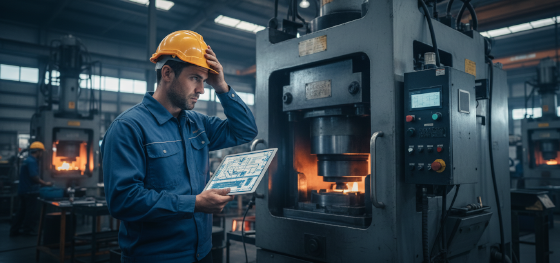
Textbooks draw the injection plunger as a simple geometric rectangle pushing liquid metal perfectly into a box. Operating our machines in the Shenzhen precision manufacturing hub tells a completely different story. That plunger is battling friction, extreme thermal shock, and the corrosive nature of boiling aluminum every single second. If your supplier uses cheap steel for their internal machine parts, those parts degrade rapidly, causing massive pressure drops that leave your metal housings full of hidden structural voids.
Translating the die casting process from a piece of paper into a million-dollar commercial reality requires understanding the limits of the anatomy. Current [2026] B2B supply chains cannot tolerate delays caused by broken machine parts. Let's dissect the core mechanical blueprints, explore the massive differences between hot and cold systems, and learn how to read these factory schematics like a true manufacturing veteran.
content:
Machine Anatomy: Dissecting the Clamping and Injection Units
Cold Chamber Diagram: Why Moving Liquid Aluminum is Hard?
Hot Chamber Diagram: The Speed of the Gooseneck Mechanism
Technical Data: Comparing Machine Types and Alloys
JUCHENG Hub: Shenzhen's Advanced Equipment Arsenal
FAQ: Honest Answers About Plungers, Wear, and Cycles
Machine Anatomy: Dissecting the Clamping and Injection Units
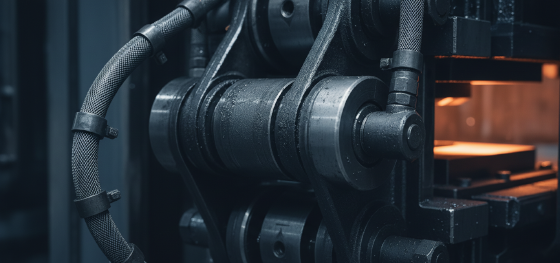
What are the two massive halves of the machine shown in every schematic?
Every industrial press is divided into the Clamping Unit, which holds the steel mold shut against explosive force, and the Injection Unit, which acts as the high-speed hydraulic cannon firing the liquid metal.
Looking at a standard layout, the clamping side always features a massive hydraulic toggle system. This network of steel arms locks the moving half of the die against the stationary half. If you look at a blueprint and ignore the tonnage rating of this clamping unit, you are asking for trouble. If the injection force overcomes the clamping force, molten metal violently spits out of the parting line, threatening operator safety and destroying the part's tolerances.
Moving over to the injection side of the drawing, you see the plunger, the shot sleeve, and the accumulator. The accumulator is a high-pressure nitrogen tank that gives the plunger the explosive speed needed to fill paper-thin walls. Jucheng Precision tightly monitors the health of these accumulators; if the nitrogen pressure drops, the machine physically cannot fill the mold fast enough, resulting in scrapped parts.
Cold Chamber Diagram: Why Moving Liquid Aluminum is Hard?
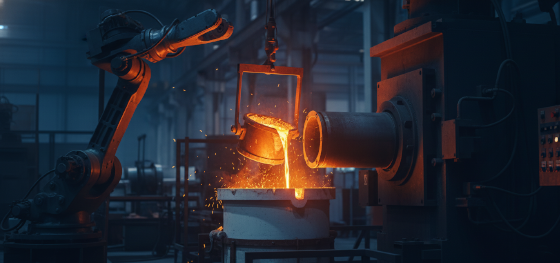
Why does the schematic show a separate furnace sitting away from the machine?
Aluminum melts at incredibly high temperatures and corrodes steel on contact; keeping the melting furnace separate prevents the liquid alloy from dissolving the machine's internal hydraulic pumping mechanisms.
Reviewing the cold chamber die casting process visually reveals a distinct gap between the melting pot and the injection chamber. A robotic ladle must physically scoop the glowing metal, travel through the air, and dump it through a pour hole into the cold shot sleeve. This creates a critical vulnerability.
During that short transfer, the metal starts to cool and mix with oxygen. If the plunger tip is worn down from heavy use, molten aluminum will slide backwards past the seal during injection, killing the injection pressure instantly. We obsessively replace our plunger tips and shot sleeves to ensure the hydraulic power matches the blueprint exactly on every single shot.
Hot Chamber Diagram: The Speed of the Gooseneck Mechanism

What is the strange curved pipe submerged in the liquid metal on the diagram?
That is the gooseneck, a specialized heated channel that allows the hydraulic plunger to suck up liquid zinc directly from the boiling crucible and shoot it into the mold without ever exposing the metal to outside air.
Following the flow path of the hot chamber die casting process is completely different. Because zinc and magnesium melt at much lower temperatures, they do not dissolve the steel machine parts. The entire injection pump lives permanently underwater in a bath of boiling metal.
This anatomy is built for pure speed. There is no robotic ladle and no air transfer. The plunger retracts, the gooseneck fills with metal instantly, and it fires. This closed-loop design eliminates oxygen contamination and allows our facility to churn out thousands of complex, highly precise electronic covers in a fraction of the time.
Technical Data: Comparing Machine Types and Alloys
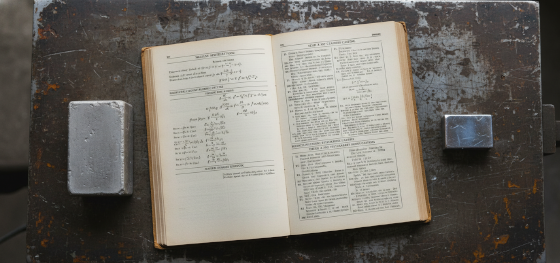
Knowing which side of the factory to deploy your project depends entirely on the metal you choose. The following technical matrix highlights why structural aluminum and high-precision zinc require completely different machine architectures.
| Machine Architecture | Compatible Metal Alloys | Production Cycle Speed | Primary Failure Risk |
|---|---|---|---|
| Cold Chamber System | Aluminum, Brass, Magnesium | Slower (Requires robotic ladling) | Shot sleeve wear causing pressure loss. |
| Hot Chamber System | Zinc, Lead, Certain Magnesiums | Extremely Fast (Submerged pump) | Gooseneck thermal degradation over time. |
| Vacuum Assisted System | All High-Performance Alloys | Moderate (Requires vacuum pull) | Vacuum valve clogging with liquid metal. |
Matching your CAD file to the wrong machine destroys your unit economics. If a supplier tries to push your aluminum design into an improper setup because they lack the right tonnage, your parts will suffer from massive internal defects. Always verify the physical equipment matches the specific demands of your alloy.
JUCHENG Hub: Shenzhen's Advanced Equipment Arsenal
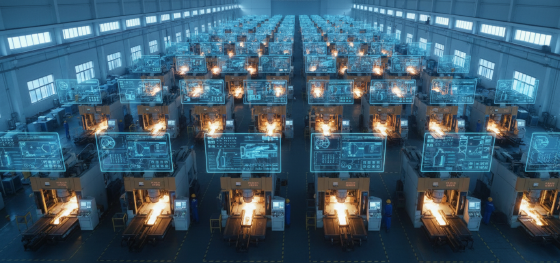
Why do global OEMs trust Jucheng Precision's machine configurations?
Because we maintain a massive, highly diversified fleet of both hot and cold chamber machines, ensuring your product is manufactured on the exact system it requires, rather than forcing a compromise.
Owning 150+ CNC machines and a complete lineup of high-tonnage hydraulic presses means we control the entire variable spectrum. When you look at an engineering drawing, you see theory. When we look at it, we see exactly how our Shenzhen factory floor needs to be calibrated to prevent tool wear and eliminate porosity.
Stop trusting suppliers who hide their aging, poorly maintained machinery behind slick websites. Send your hardware designs to our team today. We will run a complete DFM analysis, explain exactly which machine anatomy fits your product, and deliver flawless metal components that actually match the blueprint.
FAQ: Honest Answers About Plungers, Wear, and Cycles

What happens if the plunger tip is not lubricated properly?
The extreme friction between the moving plunger and the steel cylinder will cause the parts to gall and seize, violently tearing chunks of metal off the machine's internal walls.
Why do diagrams show complex venting blocks at the edge of the mold?
Because the massive volume of air inside the empty mold must be pushed out faster than the speed of sound. Precision vent blocks let air escape while instantly freezing the metal to prevent leaks.
Can a cold chamber machine be converted into a hot chamber machine?
No. The fundamental anatomy, hydraulic configurations, and furnace integrations are entirely different, requiring factories to invest heavily in separate specialized machine fleets.
How do you fix a machine if molten metal solidifies inside the injection sleeve?
This is a major factory error called a "biscuit freeze." The machine must be stopped, and operators must manually torch or drill the solid block out of the sleeve, causing severe production delays.

