


Opening a massive shipping crate only to find your premium luxury hardware covered in ugly, bubbling chrome destroys consumer trust instantly. Procurement directors often violently blame the chemical plating supplier for these cosmetic failures, completely unaware that the catastrophic defect actually started during the molten metal injection phase. Executing flawless electroplating zinc die cast procedures requires absolute metallurgical density from the very first second of manufacturing. Trapped internal air creates microscopic surface craters that act like tiny sponges for highly corrosive dipping acids.
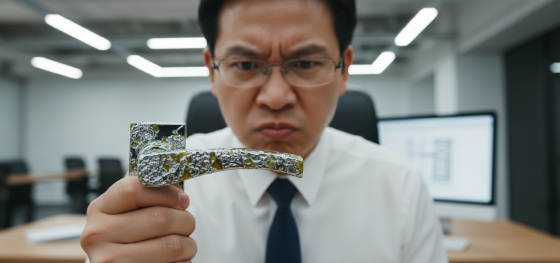
Months after the product leaves the factory, those hidden acidic chemicals violently bleed out, pushing the shiny metallic layer upward and ruining your commercial aesthetic. Securing a brilliant, mirror-like die casting surface finish demands relentless discipline across multiple distinct factory departments. Operating our heavy-duty Shenzhen precision hub, JUCHENG neutralizes this toxic liability by locking the foundry and the chemical baths under one strict quality control umbrella.
Relying on magic chemistry to hide terrible raw metal never works. Let's dissect the terrifying acid bleed-out defect, explore why mechanical buffing remains non-negotiable before dipping, and uncover the specific multi-layer metallic sandwich required for luxury commercial hardware.
content:
The Acid Trap: Why Do Chrome Finishes Bubble?
Mechanical Prep: Sanding Away the Dullness
The Chemical Sandwich: Copper, Nickel, and Chrome
JUCHENG Hub: Shenzhen's Flawless Plating Arsenal
FAQ: Honest Answers About Peeling and Rust
The Acid Trap: Why Do Chrome Finishes Bubble?
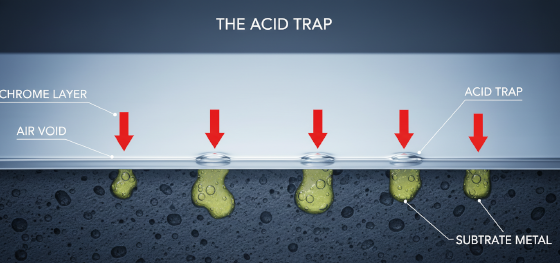
What causes expensive metallic finishes to violently blister weeks after production?
Microscopic gas porosity hidden just beneath the raw metal skin absorbs the highly corrosive cleaning acids during the pre-plating wash; this trapped liquid eventually vaporizes and outgasses, physically popping the chrome layer right off the substrate.
Submerging raw hardware into toxic plating baths exposes every single hidden manufacturing shortcut. If the foundry injected the metal too aggressively, atmospheric air gets permanently trapped inside the structure. When operators aggressively sand the part, they rip open those hidden voids, creating perfect little traps for the plating fluids.
Defeating this nightmare requires pouring dense, high-purity Zamak alloys at perfectly calibrated injection speeds. Our senior tooling engineers obsess over the thermodynamic gating design, ensuring your cosmetic enclosures emerge from the mold incredibly solid and entirely free of microscopic sponge defects.
Mechanical Prep: Sanding Away the Dullness
Can a thick layer of shiny chrome hide deep scratches on the raw metal?
Absolutely not; electroplating chemical layers are microscopically thin and will actually magnify any underlying surface scratches, making aggressive mechanical polishing completely mandatory for high-end aesthetics.
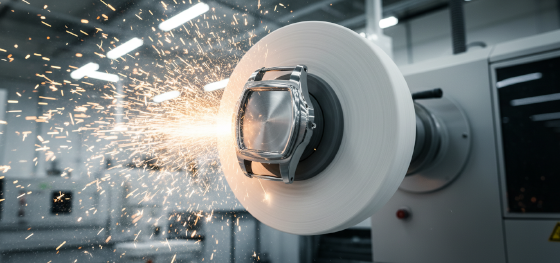
Liquid chrome cannot magically fill deep gouges or hide jagged manufacturing burrs. Achieving a flawless retail reflection requires heavy mechanical intervention long before the parts hit the chemical line. Deploying automated vibratory finishing die casting techniques removes the heavy flash and softens sharp corners uniformly across massive batches.
Chasing that ultimate mirror-like perfection demands even more friction. We transition the critical aesthetic faces into our aluminum die casting polishing bays, utilizing high-speed cotton buffing wheels loaded with rouge compounds to physically burnish the metal into a spectacularly smooth, glass-like canvas.
The Chemical Sandwich: Copper, Nickel, and Chrome
Why must factories apply three distinct layers of metal just to achieve one chrome finish?
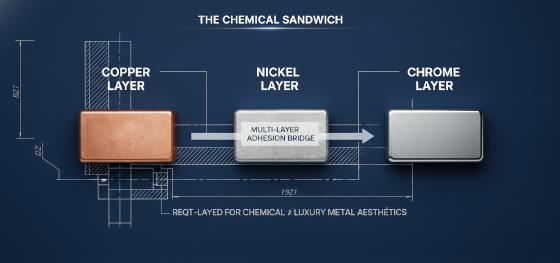
Raw zinc aggressively rejects direct chrome bonding; factories must apply a highly adhesive copper strike layer first, followed by a protective nickel barrier, and finally crown the part with the ultra-thin decorative chrome shell.
Dropping a raw hardware bracket directly into a chromium tank guarantees instant chemical failure. Metallurgical engineers must build a highly specific, three-part metallic bridge to secure the final aesthetic. The initial alkaline copper bath acts like aggressive double-sided tape, sealing the raw substrate completely.
Layering bright nickel over the copper provides the actual heavy-duty corrosion defense and levels out any remaining microscopic dullness. The final dip into the hexavalent or trivalent chromium bath simply provides that unmistakable bluish-white luxury hue and prevents the underlying nickel from tarnishing over time.
JUCHENG Hub: Shenzhen's Flawless Plating Arsenal
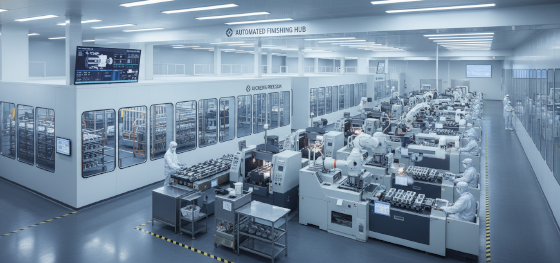
Why does using a separate foundry and plating shop drastically increase your defect rate?
Shipping polished bare metal across a humid city to a separate chemical facility invites rapid galvanic oxidation and physical scratching, permanently destroying the pristine surface before the protective copper layer can be applied.
Fragmenting your supply chain guarantees massive liability disputes. When the blisters inevitably appear, the plating shop will scream that the castings were dirty, while the foundry will claim the acid wash was too long. Operating our massive turnkey facility eliminates this toxic finger-pointing entirely.
Stop paying for ruined batches of bubbling hardware. Send your luxury cosmetic CAD files to our engineering team today. We meticulously design the tool to prevent gas porosity, execute the heavy mechanical buffing, and deliver breathtaking, mirror-plated commercial assemblies.
FAQ: Honest Answers About Peeling and Rust

Does this multi-layer chemical process change the dimensions of my screw holes?
Yes. The copper, nickel, and chrome layers add measurable thickness to the part. We precisely mask critical CNC-machined threads before dipping to ensure your final assembly tolerances remain perfectly unaffected.
Can I achieve a dark, tactical black aesthetic using this exact same method?
Absolutely. By substituting the final bright chromium dip with a specialized black chrome or black nickel chemical bath, we produce a deeply sinister, highly reflective dark aesthetic favored by premium automotive brands.
Will the shiny chrome layer eventually peel off if the part sits outdoors?
If the underlying copper and nickel layers were applied correctly to a non-porous casting, the finish is incredibly durable. However, severe impacts that pierce through all three layers will allow moisture to enter and trigger eventual flaking.
Why do some cheaper plated parts look cloudy instead of mirror-like?
Cloudy aesthetics usually indicate the supplier skipped the critical manual cotton buffing stage to save labor costs, relying entirely on the plating chemicals to hide the dull raw metal texture, which always fails visually.

