


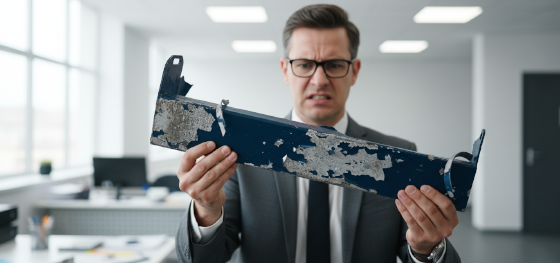
Shipping bare metal hardware across town to a separate paint shop guarantees massive logistical friction. When expensive cosmetic layers peel off the product, the paint shop instantly blames the foundry for using terrible release agents. The foundry fires back, blaming the paint shop for skipping the acid wash. Procurement directors ultimately absorb this brutal financial damage while their assembly lines grind to a complete halt. Securing a flawless die casting surface finish requires locking both the raw injection phase and the final aesthetic coating under one single roof.
Raw metal straight out of the press looks incredibly dull and remains highly vulnerable to aggressive galvanic oxidation. Leaving structural components unprotected in a salty outdoor environment invites rapid molecular decay. Applying protective barrier layers actively extends the lifespan of expensive commercial hardware by decades while delivering the premium tactile feel that luxury consumers demand.
Navigating these chemical options successfully prevents costly redesigns. Evaluating a comprehensive die casting surface finish chart helps engineers balance their aesthetic requirements against severe environmental threats. Let's dissect the critical mechanical prep phases, compare high-end polymer coatings, and eliminate multi-vendor supply chain risks permanently.
content:
Defense and Aesthetics: Why Bother Coating Metal?
Mechanical Preparation: Sanding Away the Flaws
Protective Armor: Polymers, Baths, and Electricity
Value-Added Details: Permanent Brand Traceability
Material Rules: Matching the Metal to the Paint
JUCHENG Hub: Shenzhen's Ultimate Turnkey Solution
FAQ: Honest Answers About Blisters and Tolerances
Defense and Aesthetics: Why Bother Coating Metal?
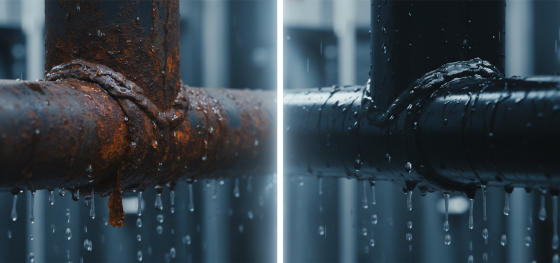
Hardware startups often view external coatings strictly as a cosmetic marketing tool. Leaving raw alloys exposed to morning dew and industrial exhaust fumes triggers microscopic pitting almost immediately. Creating an impenetrable chemical seal stops this decay and blocks electromagnetic interference from ruining your sensitive internal circuit boards.
Catching visual flaws early prevents massive financial waste. Executing rigorous die casting surface defects troubleshooting ensures our technicians spot tiny cold shuts before we waste expensive plating chemicals on a defective raw part. You cannot simply paint over a deep structural crack and expect it to disappear.
Medical and food-grade applications absolutely demand sterile, non-porous barriers. Raw metal harbors bacteria in microscopic surface valleys. Wrapping the chassis in a high-density polymer glaze allows hospital workers to scrub the equipment aggressively with bleach without melting the underlying structure.
Mechanical Preparation: Sanding Away the Flaws
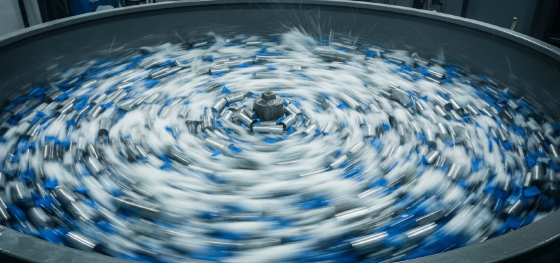
Liquid paint absolutely refuses to stick to microscopic manufacturing oils or sharp, jagged parting lines. You must physically alter the metallic canvas before applying any wet chemicals. Deploying automated vibratory finishing die casting techniques removes dangerous burrs from thousands of components simultaneously without racking up massive manual labor costs.
Smoothing out deep flow marks often requires aggressive human intervention. Utilizing dedicated aluminum die casting polishing stations allows technicians to physically erase minor surface irregularities, creating the ultra-smooth foundational layer required for luxury consumer electronics.
When designers demand a stealthy, non-reflective tactical aesthetic, we rely on high-pressure abrasion. Blasting the metal with micro-media creates a perfectly uniform, grippy texture. Specifying bead blasting die casting masks minor cosmetic inconsistencies beautifully while providing an exceptional mechanical grip for subsequent liquid primers.
Protective Armor: Polymers, Baths, and Electricity
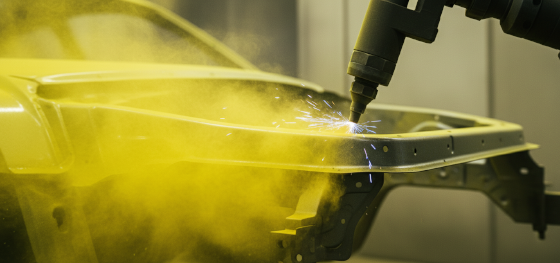
Slapping cheap aerosol color onto an industrial enclosure guarantees it will scratch off during the first field deployment. True commercial armor requires serious chemical bonding. Executing high-grade aluminum die casting powder coating fuses a thick, indestructible polymer shell directly to the substrate using electrostatic charges and heavy baking ovens.
Global automotive manufacturers require massive volume efficiency for their under-hood brackets. Submerging these parts in electrified vats delivers incredible rust defense. Using e-coating die cast parts covers the most intricate internal geometries with a perfectly even, micro-thin anti-corrosion layer that traditional spray guns simply cannot reach.
Understanding exactly how to paint die cast parts requires managing the underlying chemistry to prevent outgassing blisters. We routinely apply a protective chromate conversion coating die casting layer first, sealing the microscopic pores of the metal before the final cosmetic liquid topcoat is ever sprayed.
Luxury hardware demands entirely different aesthetic properties. Achieving a flawless, mirror-like reflection requires a dense, heavy base material. Relying on electroplating zinc die cast components delivers breathtaking chrome and gold finishes that absolutely refuse to peel. High-silicon alloys struggle immensely with acidic baths, making anodizing die cast aluminum notoriously difficult unless managed by top-tier metallurgical experts.
Value-Added Details: Permanent Brand Traceability
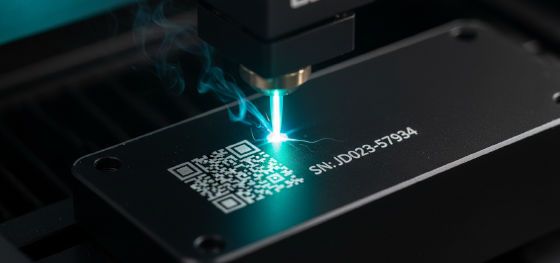
Delivering blank hardware to your assembly line creates a massive tracking liability. Medical device regulations mandate permanent, indestructible serial numbers directly on the chassis. Executing precision laser marking die cast components burns high-contrast QR codes and safety warnings permanently into the protective coating without piercing the metal seal.
Integrating multi-color brand logos requires a different approach entirely. Applying custom die casting screen printing directly over a cured powder coat delivers vibrant, chemically resistant corporate branding without forcing you to ship the fragile components to a third-party print shop.
Material Rules: Matching the Metal to the Paint
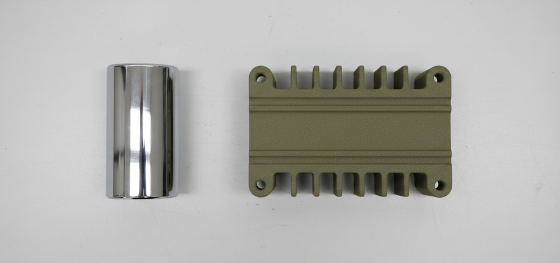
Selecting the wrong coating for your specific ingot grade causes violent chemical rejection. Finding the perfect die cast aluminum surface finish usually involves fighting high internal silicon levels, making heavy powder coats significantly safer and more reliable than attempting bright electroplating.
Heavy zinc alloys provide incredibly dense, non-porous outer skins right out of the mold. Perfecting a zinc die casting surface finish focuses heavily on high-end cosmetic chrome and nickel plating. The matrix below benchmarks how different alloys accept various industrial coatings.
| Coating Technology | Aluminum Compatibility | Zinc Compatibility |
|---|---|---|
| Powder Coating | Excellent (Requires pre-baking) | Excellent |
| Bright Electroplating | Poor (Silicon causes blistering) | Flawless (Industry Standard) |
| Type III Hard Anodizing | Good (Turns dark gray/black) | Not Applicable |
| E-Coating | Excellent | Excellent |
JUCHENG Hub: Shenzhen's Ultimate Turnkey Solution
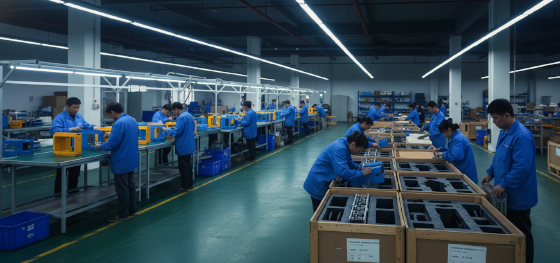
Fragmenting your supply chain between a foundry and a separate paint facility exposes your IP and ruins your production timeline. Operating our massive Shenzhen precision manufacturing hub gives JUCHENG absolute control over every single aesthetic millimeter, eliminating the finger-pointing that plagues hardware startups.
We melt the raw ingots, utilize heavy CNC machining to tap the microscopic threads, and apply military-grade protective coatings inside the exact same building. Consolidating these processes drastically reduces your total manufacturing lead time and lowers your final unit invoice.
Stop paying for logistical friction and ruined paint jobs. Send your detailed 3D CAD files to our engineering team today. We will conduct a comprehensive aesthetic and structural review, perfectly matching your required corrosion resistance to the optimal factory process.
FAQ: Honest Answers About Blisters and Tolerances

Will applying a heavy powder coat ruin the tight tolerances of my mounting holes?
Yes, thick coatings add measurable material to the surface. Our engineers proactively mask critical threaded holes with custom silicone plugs before baking to ensure your final assembly remains perfectly aligned.
What causes the paint to bubble and blister inside the curing oven?
Trapped internal gas porosity from the injection phase expands violently when exposed to high oven heat. We combat this by utilizing vacuum-assisted casting or carefully pre-baking the parts to release trapped gases safely.
Do I really need a chemical conversion coating if I am already painting the part?
Absolutely. Paint does not naturally bond well to bare metal. The chromate conversion layer acts like microscopic velcro, providing a ferocious chemical anchor that prevents the topcoat from peeling off.
Can vibratory tumbling completely remove deep mold seams and parting lines?
Tumbling softens sharp edges beautifully but cannot erase deep structural steps. Heavy parting lines require dedicated manual grinding or CNC face milling to achieve a perfectly flush exterior contour.

