


Electroplating is a vital electrochemical process used across various industries to enhance the surface properties of materials. By depositing a thin layer of metal onto a substrate, electroplating improves corrosion resistance, electrical conductivity, aesthetics, and durability. This technique involves immersing a substrate (the cathode) and a metal anode in an electrolyte solution, followed by the application of an electric current to facilitate metal ion deposition. As manufacturing and technology sectors evolve, the demand for specialized electroplating methods has grown, particularly for metals like gold, copper, silver, zinc, brass, nickel, steel, and aluminum. Each metal offers unique benefits and challenges, making it essential to understand their specific applications and processes. This article delves into the intricacies of electroplating various metals, highlighting key techniques, industry standards, and practical considerations to achieve optimal results. Whether for aerospace, electronics, or consumer goods, electroplating remains a cornerstone of modern material science, driving innovation and sustainability.
content:
Overview of Electroplating Metal
Copper Electroplating
Silver Electroplating
Zinc Electroplating
Brass Electroplating
Nickel Electroplating
Electroplating Steel
Aluminum Electroplating
Electroplating Gold
Applications and Best Practices in Modern Electroplating
Overview of Electroplating Metal
Electroplating metal is a foundational process in surface engineering, enabling the modification of substrate characteristics to meet specific functional or decorative requirements. The general procedure involves cleaning the substrate, selecting an appropriate electrolyte bath, and controlling parameters like current density, temperature, and plating time to ensure uniform deposition. Common applications include improving wear resistance in automotive parts, enhancing conductivity in electronic components, and providing a lustrous finish for jewelry. Factors such as bath composition, pH levels, and additive agents play critical roles in determining the quality of the plated layer. For instance, impurities in the electrolyte can lead to defects like pitting or poor adhesion, underscoring the need for rigorous quality control. As industries push for eco-friendly practices, advancements in electroplating metal focus on reducing hazardous waste and energy consumption, aligning with global sustainability goals.
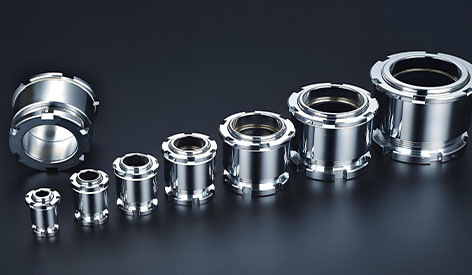
Copper Electroplating
Copper electroplating is widely employed for its excellent electrical conductivity and cost-effectiveness, making it a staple in electronics and electrical engineering. This process typically uses acid sulfate or cyanide-based baths to deposit a uniform copper layer on substrates such as printed circuit boards (PCBs) and connectors. Copper's ability to act as an undercoat for other metals, like nickel or gold, enhances adhesion and prevents diffusion. Key parameters include current density adjustments to avoid "burning" the deposit and maintaining bath purity to prevent contamination. In practice, copper electroplating improves signal integrity in high-frequency applications and provides a smooth base for subsequent plating steps. However, challenges like dendrite formation or uneven thickness require precise control, often aided by pulse plating techniques. As the Internet of Things (IoT) expands, copper electroplating continues to evolve, with research focusing on nano-scale coatings for microelectronics.
Silver Electroplating
Silver electroplating is prized for its high electrical and thermal conductivity, as well as its antimicrobial properties, making it ideal for applications in jewelry, cutlery, and medical devices. The process commonly involves cyanide or non-cyanide baths, with the latter gaining popularity due to environmental concerns. Silver deposits offer a bright, reflective finish but are prone to tarnishing, which can be mitigated through post-plating treatments like passivation or lacquering. In electronics, silver electroplating is used for connectors and switches to ensure low-contact resistance. However, silver's tendency to migrate under humidity necessitates careful layer thickness control. Industry best practices include using brighteners to achieve a mirror-like appearance and monitoring bath temperature to prevent brittleness. With the rise of sustainable fashion, silver electroplating on recycled materials has become a trend, reducing waste while maintaining luxury appeal.

Zinc Electroplating
Zinc electroplating serves as a cost-effective method for corrosion protection, especially for steel components in automotive and construction industries. The process often employs acid chloride or alkaline non-cyanide baths, producing a sacrificial layer that oxidizes before the substrate, thereby extending product lifespan. Zinc coatings can be further treated with chromate conversion coatings to enhance corrosion resistance and add colors like yellow or blue. Key considerations include controlling bath acidity to prevent hydrogen embrittlement in high-strength steels and ensuring even coverage on complex geometries. In recent years, zinc-nickel alloy electroplating has emerged as a superior alternative for harsh environments, offering better performance without significant cost increases. As regulations tighten on hexavalent chromium, zinc electroplating is adapting with trivalent chromate options, promoting safer workplace practices.
Brass Electroplating
Brass electroplating, which involves depositing a copper-zinc alloy, is valued for its decorative gold-like appearance and corrosion resistance in hardware and plumbing fixtures. The process requires precise control of the copper-to-zinc ratio in the electrolyte bath to achieve desired color and properties. Cyanide-based baths are traditional, but environmental regulations have spurred the development of cyanide-free alternatives. Brass electroplating often serves as an undercoat for nickel or lacquer to improve durability and prevent tarnishing. Challenges include maintaining consistent alloy composition across batches and avoiding peeling due to poor adhesion. In the architectural sector, brass electroplating on steel or plastic components adds an antique finish while providing functional benefits. Innovations in bath additives now allow for tailored shades, from reddish to pale yellow, meeting diverse consumer preferences.
Nickel Electroplating
Nickel electroplating is renowned for its hardness, wear resistance, and barrier properties, commonly used in automotive, aerospace, and consumer goods. Processes like Watts nickel plating or sulfamate nickel plating offer different deposition rates and stress levels, catering to specific applications. Nickel layers act as effective undercoats for chromium or gold plating, preventing substrate corrosion and improving solderability. Key parameters include pH management to avoid pitting and the use of leveling agents for a smooth finish. In electronics, nickel electroplating on connectors ensures reliable performance under high-temperature conditions. However, nickel's potential for allergic reactions has led to restrictions in some markets, driving research into cobalt or zinc-nickel alternatives. Recent trends focus on electroless nickel plating for uniform coverage on complex parts, enhancing efficiency in mass production.
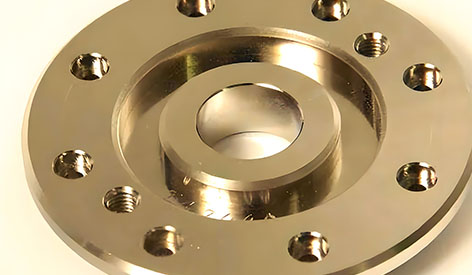
Electroplating Steel
Electroplating steel involves depositing metals like zinc, nickel, or chromium to enhance corrosion resistance, aesthetics, and functionality. Steel's reactivity requires thorough pre-treatment, including cleaning, pickling, and activation, to ensure adhesion. For example, zinc electroplating on steel (galvanizing) is standard in outdoor structures, while chromium plating provides a shiny, durable finish for automotive trim. Challenges include managing hydrogen embrittlement in high-strength steels and achieving uniform thickness on welded areas. Industry standards, such as ASTM B633, outline specifications for coating quality and testing methods. As lightweight materials gain traction, electroplating steel with composite coatings incorporating ceramics or polymers is being explored for improved performance in extreme environments.
Aluminum Electroplating
Aluminum electroplating is particularly challenging due to the metal's natural oxide layer, which impedes adhesion. Specialized pre-treatments, such as zincating or stannating, are essential to create a receptive surface for plating. Common applications include aerospace components, where aluminum electroplating with copper or nickel improves electrical conductivity and wear resistance. The process often uses non-cyanide baths to align with environmental guidelines and reduce health risks. Key considerations include controlling bath temperature to prevent excessive oxide formation and using intermediate layers to enhance bond strength. In consumer electronics, aluminum electroplating with gold or silver is used for lightweight, conductive housings. Advances in pulsed-current techniques have made aluminum electroplating more reliable, supporting innovations in electric vehicles and renewable energy systems.
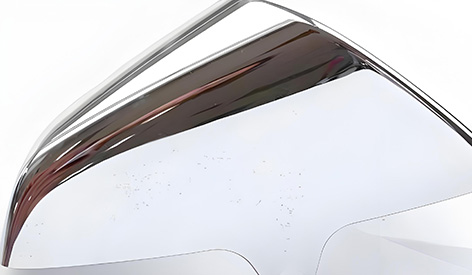
Electroplating Gold
Electroplating gold is synonymous with high-value applications in electronics, jewelry, and aerospace, thanks to its excellent conductivity, corrosion resistance, and aesthetic appeal. The process typically employs alkaline cyanide or acid gold baths, with the latter preferred for precision components due to better throwing power. Gold plating thickness is critical; thin layers suffice for decorative purposes, while thicker deposits are necessary for wire bonding in semiconductors. Parameters like current density and bath agitation must be tightly controlled to avoid porosity and ensure uniformity. In the medical field, gold electroplating on implants reduces bacterial growth and improves biocompatibility. However, the high cost of gold has spurred the use of gold alloys or selective plating to minimize waste. Ongoing research focuses on developing eco-friendly gold electrolytes that reduce cyanide usage without compromising quality.
Applications and Best Practices in Modern Electroplating
The integration of electroplating across sectors underscores its versatility, from enhancing smartphone circuits to protecting industrial machinery. Best practices include regular bath analysis to maintain chemical balance, adopting automation for consistent results, and implementing waste treatment systems to comply with environmental regulations. For instance, in automotive manufacturing, multi-layer plating combining zinc, nickel, and chromium ensures long-term durability. Training operators on safety protocols, such as handling hazardous chemicals and using personal protective equipment, is crucial. Additionally, digital monitoring tools now enable real-time adjustments, reducing defects and improving efficiency. As industries embrace circular economy principles, electroplating is evolving with closed-loop systems that recycle metals and water, minimizing ecological impact.
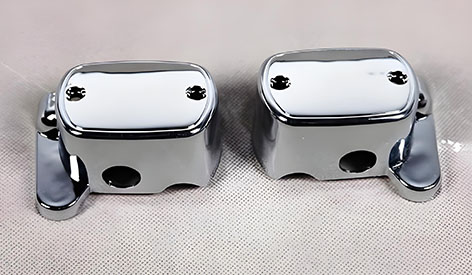
Electroplating remains an indispensable technology, driving progress in numerous fields by tailoring surface properties to meet exacting standards. From copper electroplating in electronics to gold plating in luxury items, each method offers distinct advantages that cater to specific needs. As the industry advances, emphasis on sustainability, precision, and innovation will shape future developments, such as nano-plating for next-generation devices. By understanding the nuances of processes like silver, zinc, brass, nickel, steel, and aluminum electroplating, manufacturers can optimize performance while adhering to safety and environmental norms. Ultimately, electroplating's ability to combine functionality with aesthetics ensures its continued relevance in a rapidly changing world, fostering solutions that are both efficient and eco-conscious.

