


High-density polyethylene (HDPE) is a versatile thermoplastic renowned for its durability, chemical resistance, and adaptability across numerous industries. As a type of HDPE plastic, it offers an exceptional balance of strength and flexibility, making it a preferred material for everything from everyday consumer goods to specialized industrial components. The growing demand for sustainable and cost-effective solutions has propelled HDPE products into the spotlight, enabling innovations in sectors like automotive, healthcare, and infrastructure. This article delves into the unique properties of HDPE, explores its diverse applications, and highlights how it continues to shape modern manufacturing and storage solutions. By understanding its capabilities, industries can leverage HDPE to enhance efficiency, reduce environmental impact, and meet evolving regulatory standards.
content:
What is HDPE Plastic?
Why is HDPE So Great? The Cool Properties
All Kinds of HDPE Products
HDPE Storage Containers: The Best Boxes and Bins
Sticking HDPE Pipes Together with HDPE Pipe Glue
The Many Uses of HDPE Tubes
HDPE in Car Making (Automobile Manufacturing)
HDPE for Medical Device Casing
What is HDPE Plastic?
Imagine a plastic that is both really strong and very light. That's HDPE! The full name is High-Density Polyethylene, but we can just call it HDPE. It's made from oil, and scientists have figured out how to make its molecules line up in a special way. This makes the plastic very difficult to break. It's also great because we can melt it down and turn old HDPE products into new ones, which is better for our planet.
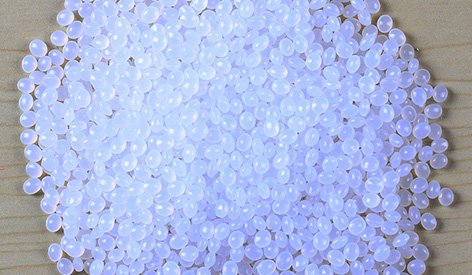
Why is HDPE So Great? The Cool Properties
HDPE has some awesome "properties," which are just special skills that make it perfect for many jobs.
Super Strong: It doesn't crack or break easily, even if you drop it.
Waterproof: Water can't get through it, which is why it’s used for bottles and pipes.
Chemical Resistant: It doesn't get damaged by strong chemicals like cleaning supplies or gasoline.
Can Be Recycled: Old HDPE can be melted to create new products. This means we can use less new plastic.
All Kinds of HDPE Products
When we talk about HDPE products, we mean all the stuff made from this material. You probably see them every day! Think of water and milk bottles, buckets, and even those big plastic playground slides. In factories, HDPE is used to make big sheets for construction and special parts for machines. It's a very popular material because it's tough and doesn't cost too much.

HDPE Storage Containers: The Best Boxes and Bins
HDPE storage containers are the tough boxes and bins we use to keep our things safe. Your family might have some in the garage or kitchen. They are great because:
They keep food dry and safe from bugs.
You can stack them on top of each other to save space.
They don't smell or rust.
They are easy to clean with soap and water.
Sticking HDPE Pipes Together with HDPE Pipe Glue
How do you connect two HDPE pipes so they don't leak? You can use a special HDPE pipe glue. This isn't like regular school glue. It's a super-strong cement that actually melts the ends of the pipes a little bit, welding them together into one single piece. For even bigger pipes, workers sometimes use a tool that heats the ends to fuse them. This makes the connection super strong for carrying water or gas under our streets.
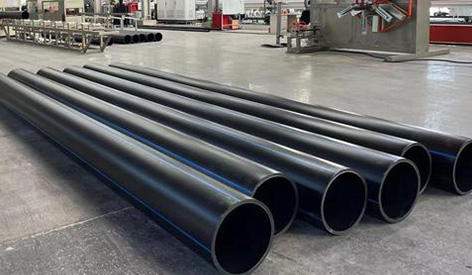
The Many Uses of HDPE Tubes
HDPE tubes are like long, hollow straws made from this strong plastic. They are bendy and tough. Where do we use them?
In the ground: To carry water to our homes or to help water farms and gardens.
In hospitals: For things like IV tubes because the plastic is safe and clean.
Protecting wires: They are often used as a sleeve to keep electrical cables safe.
HDPE in Car Making (Automobile Manufacturing)
The car industry, or automobile manufacturing, uses a lot of HDPE! Why? Because it's strong but light. Making parts of a car lighter helps the car use less gas or battery power. You can find HDPE in:
Fuel tanks: To hold gasoline safely.
Bumpers: To help absorb the shock in a small crash.
Inside the car: For parts of the dashboard and door panels.

HDPE for Medical Device Casing
A "casing" is like the protective body or shell of a device. HDPE plastic is often used for medical device casing. This means it's used to make the outside of machines and tools that doctors and nurses use. It's perfect for this job because:
It is very easy to clean and keep germ-free.
It is strong and protects the delicate electronics inside.
It is safe and doesn't have any chemicals that could make people sick.
HDPE's multifaceted properties and applications underscore its importance in modern industry. From HDPE storage containers that secure vital supplies to specialized uses in automobile manufacturing and medical device casings, this material demonstrates unparalleled versatility. Advances in recycling technologies and bio-based alternatives promise to further enhance its sustainability, aligning with global environmental goals. As research continues, HDPE is poised to enable new innovations in sectors like renewable energy and smart infrastructure. By embracing HDPE's potential, businesses can drive efficiency, reduce costs, and contribute to a more resilient economy.

