


High-Density Polyethylene (HDPE) is a versatile thermoplastic renowned for its exceptional durability, chemical resistance, and cost-effectiveness. As one of the most widely used plastics globally, HDPE plays a critical role in numerous industries, from packaging and construction to automotive and healthcare. Its molecular structure, characterized by minimal branching, results in a dense, strong material that offers a superior balance of properties compared to other polymers. Understanding the fundamental aspects of HDPE—including its mechanical characteristics, environmental resilience, and production methods—is crucial for engineers, designers, and manufacturers seeking to leverage its full potential. This article provides a comprehensive technical overview, delving into the key attributes that make HDPE a material of choice for demanding applications.
content:
What Are the Special Properties of HDPE?
How Much Heat Can HDPE Handle?
How Does HDPE Deal with Chemicals?
How Strong is HDPE Really?
Can HDPE Stay in the Sun?
How is HDPE Made?
What Happens When HDPE Melts?
What is HDPE Plastic?
Imagine tiny, tiny beads all in straight, neat lines instead of a tangled mess. That's kind of what HDPE looks like under a super powerful microscope. This neat and tidy structure is what makes it "high-density." It's made from oil and is known for being both lightweight and surprisingly strong. You can find it everywhere! It has a little recycling symbol with the number "2" on it. That milk jug in your fridge, your shampoo bottle, and even some pipes under the ground are probably made from HDPE.
What Are the Special Properties of HDPE?
So, what are the special HDPE properties that make it so great? Let's break it down:
Really Strong: It can be stretched or pulled without easily breaking.
Super Tough: If you drop an HDPE bottle, it will probably bounce, not shatter. It can handle bumps and shocks.
Stiff but a Little Bendy: It's rigid enough to hold its shape for something like a bucket, but it has just enough flex to not be brittle.
Waterproof: It absolutely hates absorbing water, so it doesn't get soggy or change shape in the rain.
All these properties combined make HDPE a reliable choice for many products.
How Much Heat Can HDPE Handle?
What about its HDPE temperature rating? This just means how hot or cold it can get before it starts to have problems. Think of it like this: HDPE is happy hanging out in temperatures from a very chilly -50°F to a pretty hot 140°F. If it gets much hotter than that, it can start to get soft and bend out of shape if it's holding any weight. This is very different from its plastic melting point. The plastic melting point is when it turns from a solid into a liquid. For HDPE, this happens at a much higher temperature, around 265° to 279°F. That's when it becomes gooey and can be molded into new shapes!

How Does HDPE Deal with Chemicals?
One of HDPE's best superpowers is its high density polyethylene chemical resistance. This is a fancy way of saying it's really good at not getting damaged by many chemicals. It doesn't mind being around things like cleaning supplies, acids from a science lab, or soapy water. This is why it's perfect for storing laundry detergent, making pipes for carrying chemicals, and being used in science labs. However, no superhero is perfect against every villain. Very strong chemicals, like some powerful acids, can still damage it, especially if the plastic is under stress.
How Strong is HDPE Really?
Let's talk about HDPE yield strength. "Yield strength" sounds complicated, but it's just the point where a material stops springing back to its original shape and starts staying bent. Imagine bending a plastic ruler a little—it springs back. But if you bend it too far, it stays bent. That's the "yield" point. HDPE has a high HDPE yield strength, which means you have to push or pull it really hard to permanently bend it. This makes it great for things that need to hold weight, like a plastic park bench or a heavy-duty pipe.
Can HDPE Stay in the Sun?
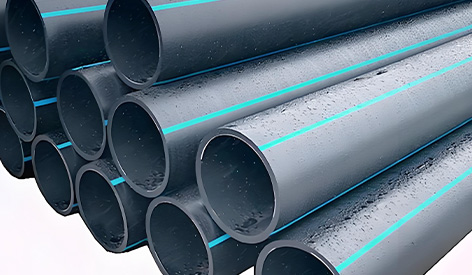
If you leave a cheap plastic toy outside all summer, it can become faded and brittle. But HDPE can be made to be one of the best uv resistant plastics. "UV" stands for ultraviolet light, which is the part of sunlight that can damage plastics. By adding special ingredients like carbon black (which makes it black) or other UV protectants (like a sunscreen for plastic), HDPE can sit in the sun for years without getting weak or breaking easily. This is why you see it used for outdoor furniture, playground equipment, and bins that stay outside.
How is HDPE Made?
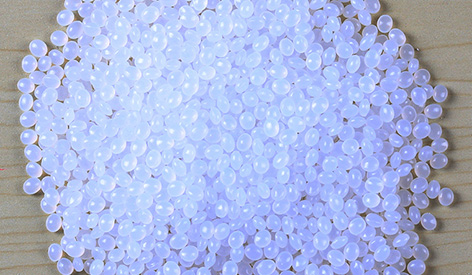
The process of HDPE manufacturing is like a cool science experiment. It starts with a gas called ethylene. This gas is mixed with a special helper called a catalyst, which makes the tiny gas molecules link together into long chains, like pop beads. This creates the raw HDPE plastic, which usually comes as small pellets. These pellets are then melted down and turned into all the products we know. They can be blown up like a balloon to make bottles (blow molding), squeezed into a mold to make toys (injection molding), or pushed through a shaped hole to make pipes (extrusion).
What Happens When HDPE Melts?
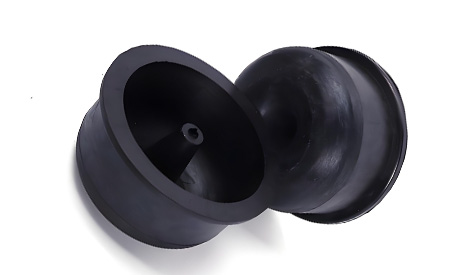
We mentioned the plastic melting point earlier. This is a very important idea. The plastic melting point is the specific temperature when a solid plastic becomes a liquid. For HDPE, this happens between 265° and 279°F. This is super important for two reasons:
For Making Stuff: Manufacturers need to heat it past this point to melt it and pour or squeeze it into molds to make new products.
For Using Stuff: You should never use an HDPE product, like a bucket, near a temperature close to its melting point, or it will melt and lose its shape completely!
HDPE is an amazing plastic because of all its properties. It's strong, tough, and has a great HDPE temperature rating for everyday use. Its high density polyethylene chemical resistance makes it safe for holding many liquids, and its high HDPE yield strength means it can carry heavy loads. By making it one of the top uv resistant plastics, we can use it outdoors for a long time. The HDPE manufacturing process turns simple ingredients into all kinds of useful stuff, and knowing its plastic melting point helps us use it correctly.

