


Have you ever seen a shiny bike, a sparkling piece of jewelry, or a smooth metal spoon and wondered how they get that way? It's all thanks to something called metal polishing and surface treatment. These are special ways to make metal objects look better, last longer, and work well. In this easy guide, we'll explore how people use different methods to clean, smooth, and protect metal. You'll learn about cool processes like buff polishing metal and acid etching, as well as the tools and materials that help do the job. Whether it's for fun projects or big factories, this guide will show you the basics in a way that's simple to understand. Let's get started!
content:
What is Surface Treatment?
How Buffing and Polishing Work
Using Acid to Etch Metal
Tools for Polishing Metal
Types of Abrasives for Polishing
What is Compound Buffing?
Why We Polish Metal Products
What is Surface Treatment?
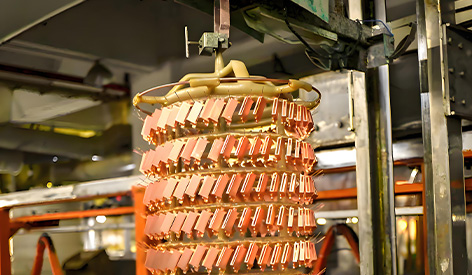
Surface treatment is like giving metal a makeover. It means changing the outside part of metal to make it stronger, prevent rust, or just look nicer. Imagine painting a toy to protect it from scratches—that's a kind of surface treatment! People use different methods, such as adding special coatings or using chemicals, to do this. For example, in cars, surface treatment helps parts avoid rust so the vehicle can run safely for a long time. It's also used in things like phones and watches to keep them looking new. By using surface treatment, we can make metal products more durable and ready for everyday use. This step is important because it prepares the metal for other processes, like polishing, to get the best results.
How Buffing and Polishing Work
Buff polishing metal is a way to make metal super shiny and smooth. It involves rubbing the metal with a soft wheel or cloth that spins fast. This helps remove tiny scratches and dirt, kind of like how you might use a soft cloth to clean a mirror. Metal buffing is similar, but it often starts with rougher tools to fix bigger imperfections first. Think of it as smoothing out a rough piece of wood with sandpaper before painting it. People do this in steps: they begin with coarse materials and then use finer ones to get that glossy finish. For instance, when making jewelry, artists use buffing to make rings and necklaces sparkle. It's a careful process because if you press too hard, you could damage the metal. But when done right, buffing and polishing can turn a dull piece of metal into something beautiful and bright.
Using Acid to Etch Metal
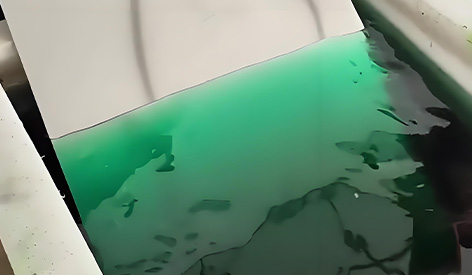
Acid etching metal is a fun method to create designs or clean metal surfaces. It uses safe acids (with adult supervision!) to gently eat away at parts of the metal, leaving patterns or words behind. It's like using a stencil and paint, but instead of paint, you use acid to "draw" on the metal. This is often seen in decorative items, like personalized keychains or signs. Acid etching also helps prepare metal for other treatments by removing rust or dirt, so things like paint stick better. Safety is super important here because acids can be dangerous if not handled properly. People wear gloves and goggles to protect themselves. By combining acid etching with polishing, you can make metal objects both pretty and practical, perfect for gifts or home decorations.
Tools for Polishing Metal
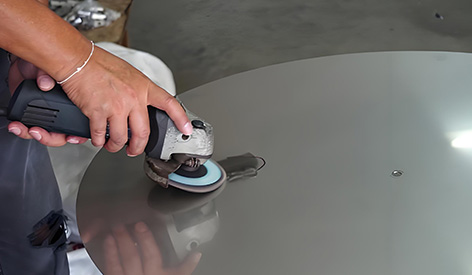
Polishing accessories are the helpers that make polishing easier. These include things like soft wheels, brushes, and holders that attach to machines. Small metal polishing tools are especially handy for detailed work—think of a tiny brush you might use to clean a model car or a small electric tool for fixing jewelry. These tools let people reach tight spots and make sure every part of the metal gets shiny. For example, in hobby projects, kids might use small tools to polish metal charms for bracelets. It's important to pick the right tool for the job; soft accessories are good for delicate metals, while stiffer ones work on tougher surfaces. By keeping these tools clean and in good shape, they last longer and do a better job. With the right polishing accessories, anyone can turn a boring metal piece into a masterpiece.
Types of Abrasives for Polishing
Metal polishing abrasives are materials that scrub the metal to make it smooth. They come in different forms, like pastes, powders, or liquids, and act like sandpaper for metal. Some abrasives are rough and used for big scratches, while others are fine and give a final shine. For instance, aluminum oxide is a common abrasive that works well on steel, while diamond dust is great for hard metals like titanium. It's like using different grades of sandpaper: you start with coarse grit to remove problems and move to finer grit for a glossy look. In workshops, people often use a progression of abrasives to get the best results. By choosing the right metal polishing abrasives, you can make polishing faster and more effective, whether you're working on a small toy or a big tool.
What is Compound Buffing?
Compound buffing is a method that uses special creams or bars to polish metal. These compounds have tiny abrasive bits and oils that help cut through dirt and add shine when rubbed on with a wheel. It's similar to using wax on a car to make it gleam after washing. There are different types for different metals; for example, rouge compound is good for gold and silver, while other types work on steel. This process requires a steady hand to avoid overheating the metal, which can change its color. In places like auto repair shops, compound buffing is used to restore old car parts, making them look new again. By combining it with other steps, like initial buffing, people can achieve a professional finish that makes metal products stand out.
Why We Polish Metal Products
Polishing the metal products is the final touch to make them look amazing and work better. This step is done on all sorts of items, from kitchen utensils to machine parts. For example, when you see a shiny fork or a smooth gear, polishing has helped remove rough edges and prevent rust. It not only makes things attractive but also helps them last longer by reducing wear and tear. In factories, polished metal parts move more smoothly in machines, which saves energy and prevents breakdowns. Even in art projects, polishing can turn simple metal into eye-catching creations. By focusing on polishing the metal products, manufacturers ensure that everything from toys to tools is safe, durable, and ready for use. It's a simple way to add value and joy to everyday objects.
In summary, metal polishing and surface treatment are easy-to-understand processes that make metal shiny, strong, and fun to work with. We've learned about buff polishing metal, acid etching, and other methods that use simple tools and materials. By exploring polishing accessories, small metal polishing tools, and metal polishing abrasives, you can see how even big jobs start with basic steps. Remember, these techniques aren't just for experts—anyone can try them with care and practice.

