


In the world of manufacturing and engineering, the final appearance and performance of a product are often determined by the quality of its surface. Surface treatment encompasses a wide array of processes designed to alter the surface of a material to achieve desired properties, whether for corrosion resistance, enhanced durability, or simply a more appealing look. This field is critical across numerous sectors, from automotive to aerospace, and understanding the various techniques available is essential for engineers and designers alike. This article delves into the core aspects of surface treatment, exploring specific processes and their industrial applications, with a focus on metals and steel. We will examine methods such as metal blackening, acid etching, and buff polishing, highlighting how these techniques contribute to both functional and aesthetic improvements.
Understanding Surface Treatment
The Surface Treatment Process Explained
Industrial Surface Treatment Applications
Surface Treatment of Metals
Surface Treatment of Steel
Metal Blackening Techniques
Acid Etching Metal
Buff Polishing Metal
Surface Treatment for Aesthetic Improvement
Understanding Surface Treatment
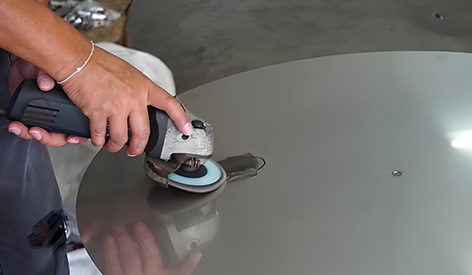
Surface treatment refers to the application of various techniques to modify the surface properties of a material without altering its bulk characteristics. This can involve cleaning, coating, or altering the surface layer to enhance attributes like hardness, wear resistance, or chemical stability. In industrial contexts, surface treatment is not just a finishing step but a crucial part of the manufacturing chain that can extend product lifespan and reduce maintenance costs. For instance, in the automotive industry, surface treatments help prevent rust and improve fuel efficiency by reducing friction. The choice of treatment depends on factors such as the base material, intended use, and environmental conditions. By implementing effective surface treatments, manufacturers can ensure that their products meet stringent quality standards and perform reliably in demanding environments.
The Surface Treatment Process Explained
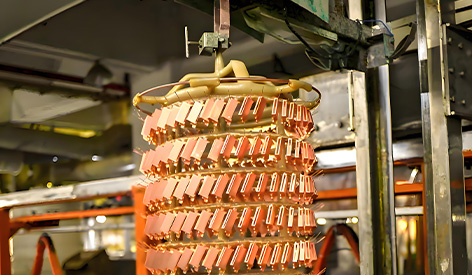
A typical surface treatment process involves multiple stages, each designed to prepare, treat, and finish the material surface. It usually begins with cleaning and degreasing to remove contaminants, followed by pre-treatment steps like etching or activation to ensure proper adhesion of coatings. Then, the main treatment—such as plating, painting, or thermal spraying—is applied, and finally, post-treatment steps like sealing or polishing may be used to enhance the results. This process is highly customizable; for example, in electronics, a precise surface treatment process might include micro-etching to create circuit patterns, while in construction, it could involve thick coatings for weatherproofing. Understanding this sequence is vital for optimizing efficiency and achieving consistent outcomes, as even minor deviations can lead to defects or failures in the final product.
Industrial Surface Treatment Applications
Industrial surface treatment is a broad domain that spans multiple sectors, from heavy machinery to consumer goods. In industries like oil and gas, surface treatments are used to protect equipment from harsh chemicals and extreme temperatures, thereby minimizing downtime and safety risks. Similarly, in the medical device field, industrial surface treatment ensures that instruments are biocompatible, sterile, and resistant to corrosion. These applications often require specialized methods, such as plasma spraying or anodizing, which can be scaled for mass production. The emphasis is on durability and compliance with regulatory standards, making industrial surface treatment a key enabler of innovation and sustainability. As technology advances, we see a growing trend toward eco-friendly treatments that reduce waste and energy consumption, aligning with global environmental goals.
Surface Treatment of Metals
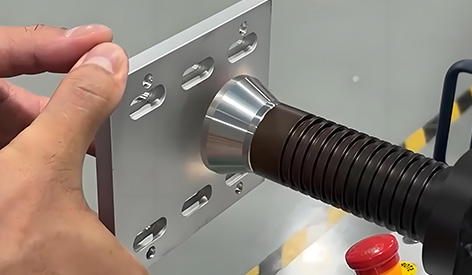
When it comes to surface treatment of metals, the focus is on enhancing properties like conductivity, strength, and resistance to environmental factors. Metals such as aluminum, copper, and titanium each respond differently to treatments, necessitating tailored approaches. For example, aluminum might undergo anodizing to form a protective oxide layer, while copper could be treated with electroplating to improve solderability. The surface treatment of metals is fundamental in applications ranging from electronics, where it ensures reliable electrical connections, to marine environments, where it prevents saltwater-induced degradation. By selecting the right treatment, manufacturers can overcome inherent weaknesses in metals, such as susceptibility to oxidation, and unlock new possibilities for lightweight, high-performance designs.
Surface Treatment of Steel
Steel is one of the most widely used materials in construction and manufacturing, and surface treatment of steel is essential to combat its tendency to corrode. Common methods include galvanizing, where a zinc coating is applied to create a barrier against moisture, and phosphating, which improves paint adhesion and corrosion resistance. In automotive and infrastructure projects, the surface treatment of steel ensures structural integrity and longevity, even under stress or exposure to the elements. Advanced techniques like laser cladding are also gaining traction, allowing for precise repairs and enhancements without compromising the steel's core properties. This makes the surface treatment of steel a cornerstone of modern engineering, enabling safer and more durable buildings, vehicles, and machinery.
Metal Blackening Techniques
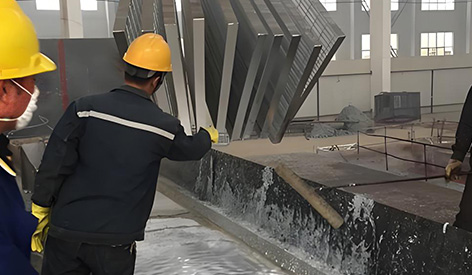
Metal blackening is a specialized surface treatment that creates a dark, often matte finish on metal surfaces, primarily for aesthetic and functional benefits. This process typically involves chemical reactions, such as oxide coating, where the metal is exposed to controlled conditions that form a black layer—commonly used on firearms, tools, and decorative items. For instance, in the case of steel, blackening can be achieved through hot oxide or cold coating methods, each offering varying levels of durability and color consistency. Besides enhancing visual appeal, metal blackening provides mild corrosion resistance and reduces light reflection, making it popular in military and optical applications. It's a cost-effective way to add a sleek, professional look while maintaining the metal's underlying strength.
Acid Etching Metal
Acid etching metal is a precise process that uses acidic solutions to selectively remove material from the surface, creating patterns, textures, or micro-features. This technique is widely employed in industries like electronics for producing circuit boards, as well as in jewelry and aerospace for intricate designs. The process begins with applying a resistant mask to protect certain areas, followed by immersion in an acid bath that etches the exposed metal. Acid etching metal allows for high levels of detail and repeatability, making it ideal for applications where tolerances are tight. However, it requires careful control to avoid over-etching or environmental hazards, and modern advancements are focusing on safer, more sustainable etchants to minimize ecological impact.
Buff Polishing Metal
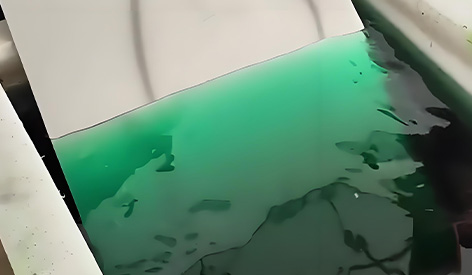
Buff polishing metal is a mechanical finishing method that uses rotating wheels or belts coated with abrasives to smooth and shine metal surfaces. This process is crucial for achieving a mirror-like finish on items like automotive parts, household fixtures, and surgical instruments. By gradually reducing surface roughness through successive polishing stages, buff polishing metal enhances both appearance and functionality—for example, it can reduce friction in moving parts or improve hygiene in medical devices. The technique demands skill to avoid imperfections like swirl marks, and it often complements other treatments, such as plating, by providing a flawless base. In mass production, automated buffing systems ensure consistency, while artisanal applications rely on hand-polishing for unique, high-end products.
Surface Treatment for Aesthetic Improvement
In many consumer-facing industries, surface treatment for aesthetic improvement plays a pivotal role in product differentiation and brand perception. This involves techniques like powder coating, brushing, or patination that enhance visual appeal without sacrificing performance. For example, in the home appliance sector, surface treatment for aesthetic improvement can transform plain steel into a stylish, scratch-resistant finish that attracts buyers. Similarly, in architecture, treatments like anodizing or decorative plating add color and texture to building facades. The goal is to merge form and function, using treatments that not only look good but also offer practical benefits like ease of cleaning or UV resistance. As consumer preferences evolve, we see a growing demand for customizable, eco-friendly aesthetic treatments that support sustainability.
Surface treatment is a dynamic and indispensable aspect of modern manufacturing, bridging the gap between raw materials and finished products. From industrial-scale processes to specialized techniques like metal blackening, acid etching, and buff polishing, these methods empower industries to achieve superior performance, durability, and aesthetics. The surface treatment of metals and steel, in particular, underscores the importance of tailored approaches to meet specific challenges, such as corrosion or wear. As technology progresses, innovations in eco-friendly and efficient treatments will continue to shape this field, offering new opportunities for innovation. By staying informed about these developments, professionals can leverage surface treatments to create safer, more sustainable, and visually compelling solutions for the future.

