


Aluminum is a fantastic material. It is lightweight, easy to machine, and naturally resistant to some corrosion. But it has limits. It is a relatively soft metal. And in harsh environments, like saltwater or chemical exposure, it will fail.
What do you do when your design needs the light weight of aluminum, but the hardness and resilience of steel? Anodizing helps, but even a hardcoat anodize can be scratched.
For the toughest jobs, you need a different solution. You need to give your aluminum part a suit of armor. This is the job of nickel plating aluminum. It is a powerful, functional Aluminum surface treatment for the most demanding applications.
content:
The Problem: Aluminum's Natural Limits
The Solution: A Layer of a Tougher Metal
The Process: More Complex Than it Looks
Electroless vs. Electroplating: Two Paths to Nickel
When to Choose Nickel Plating
The Problem: Aluminum's Natural Limits
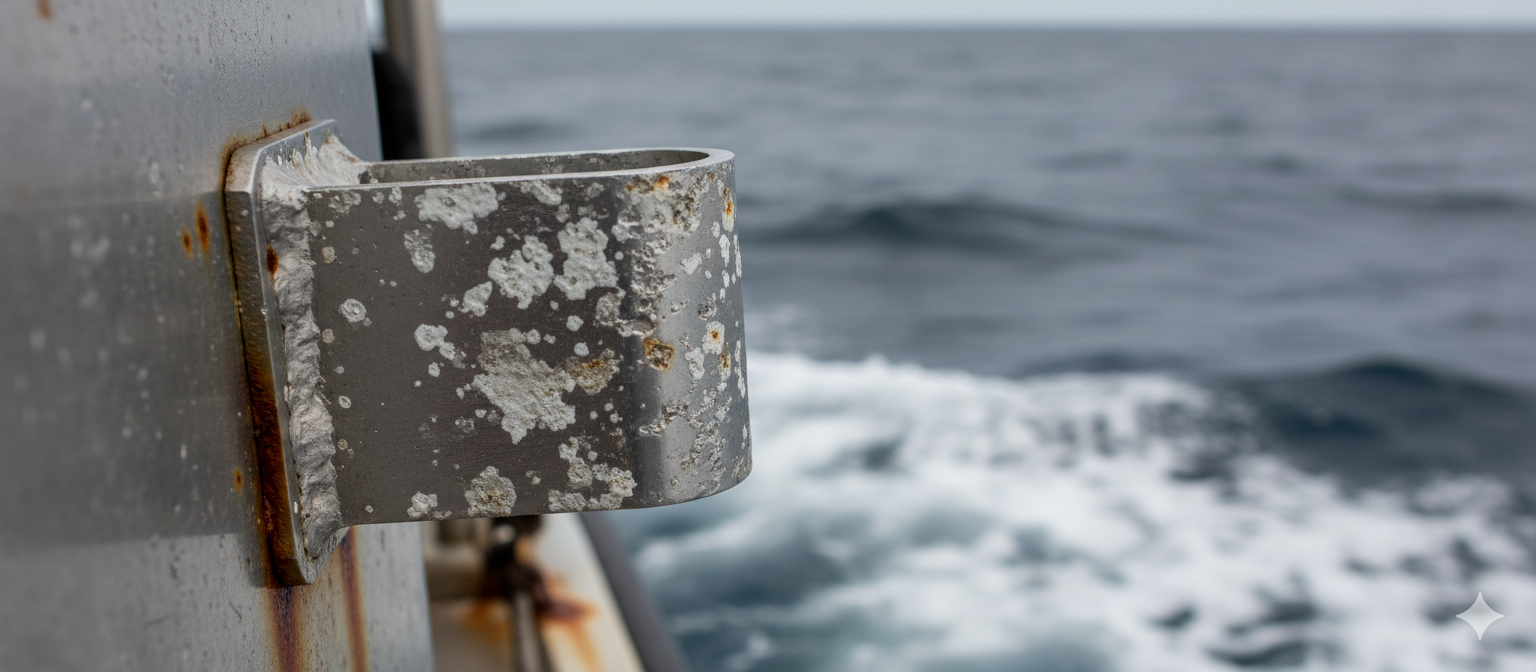
Let's consider two scenarios where aluminum by itself is not good enough.
First, a part for a marine device. It will be constantly exposed to salt spray. While aluminum does not rust like steel, it will corrode in saltwater. It develops a white, powdery corrosion called pitting. This weakens the part and eventually destroys it.
Second, a moving part in an industrial machine. Imagine an aluminum slide or gear. Aluminum is soft. As it rubs against another part, it will wear down quickly. The part will lose its dimensional accuracy. The machine will fail.
In both cases, the core problem is the aluminum surface. To solve the problem, you need to change the surface.
The Solution: A Layer of a Tougher Metal
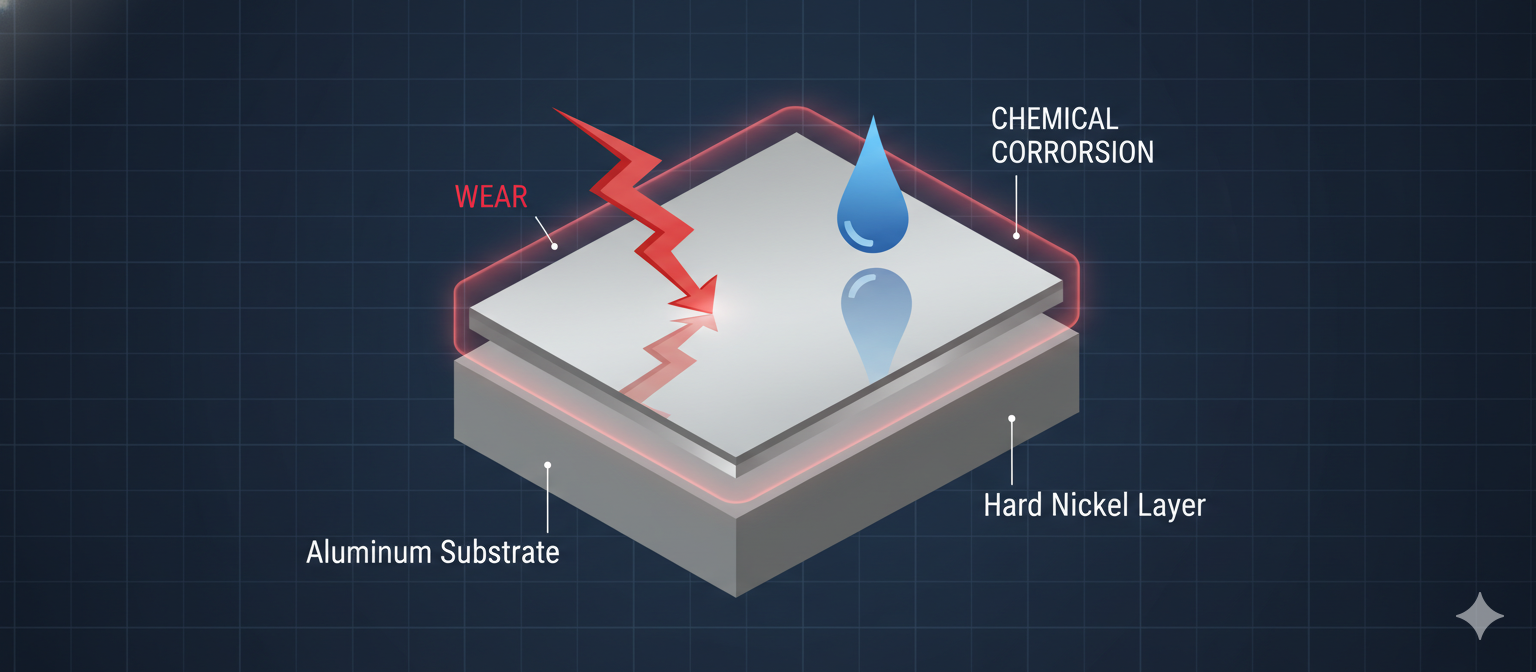
This is the purpose of nickel plating aluminum. It is a process that deposits a thin, hard layer of nickel metal onto the aluminum part.
Nickel is a very different metal from aluminum. It is much harder and more dense. It is also extremely resistant to corrosion and chemicals.
By adding this layer of nickel, you are effectively creating a hybrid part. You get the light weight of the aluminum core. But you get the surface properties of solid nickel.
This nickel "armor" completely seals the aluminum from the environment. It provides a tough, slick surface that can withstand wear and friction. It solves the natural limitations of aluminum.
The Process: More Complex Than it Looks
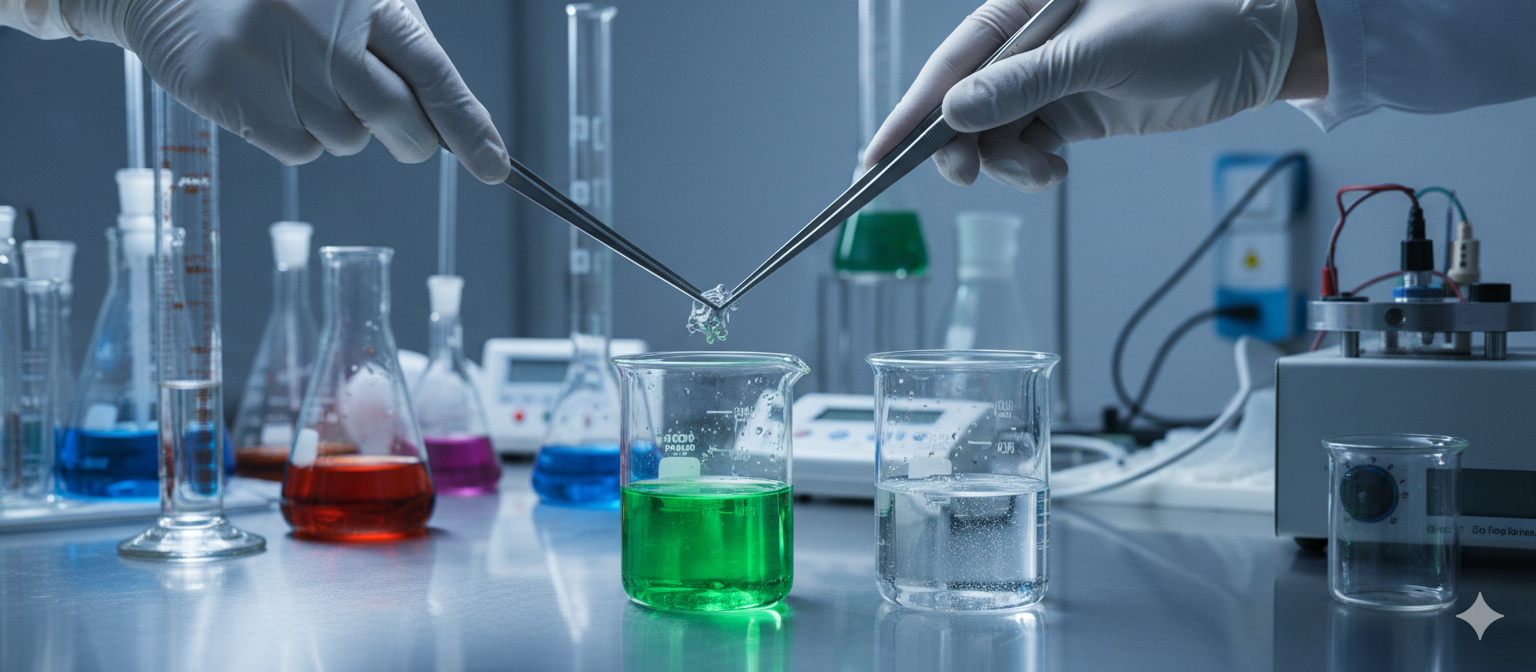
You cannot just dip an aluminum part in a nickel bath. It will not work. The natural oxide layer on the aluminum prevents the nickel from sticking.
The process for plating aluminum is a highly specialized, multi-stage chemical process. It requires extreme cleanliness and precise control.
The part must first go through a series of cleaning and etching tanks. This removes all oils and the unstable oxide layer.
Then, it goes through a critical step, often a "zincate" process. This deposits a very thin, adherent layer of zinc onto the aluminum. This zinc layer is the bridge. Nickel can stick to zinc, but it cannot stick to aluminum oxide.
After the zincate step, the part can finally be placed in the nickel plating bath to receive its final, durable coating. This complexity is why only specialist companies can perform this process reliably.
Electroless vs. Electroplating: Two Paths to Nickel
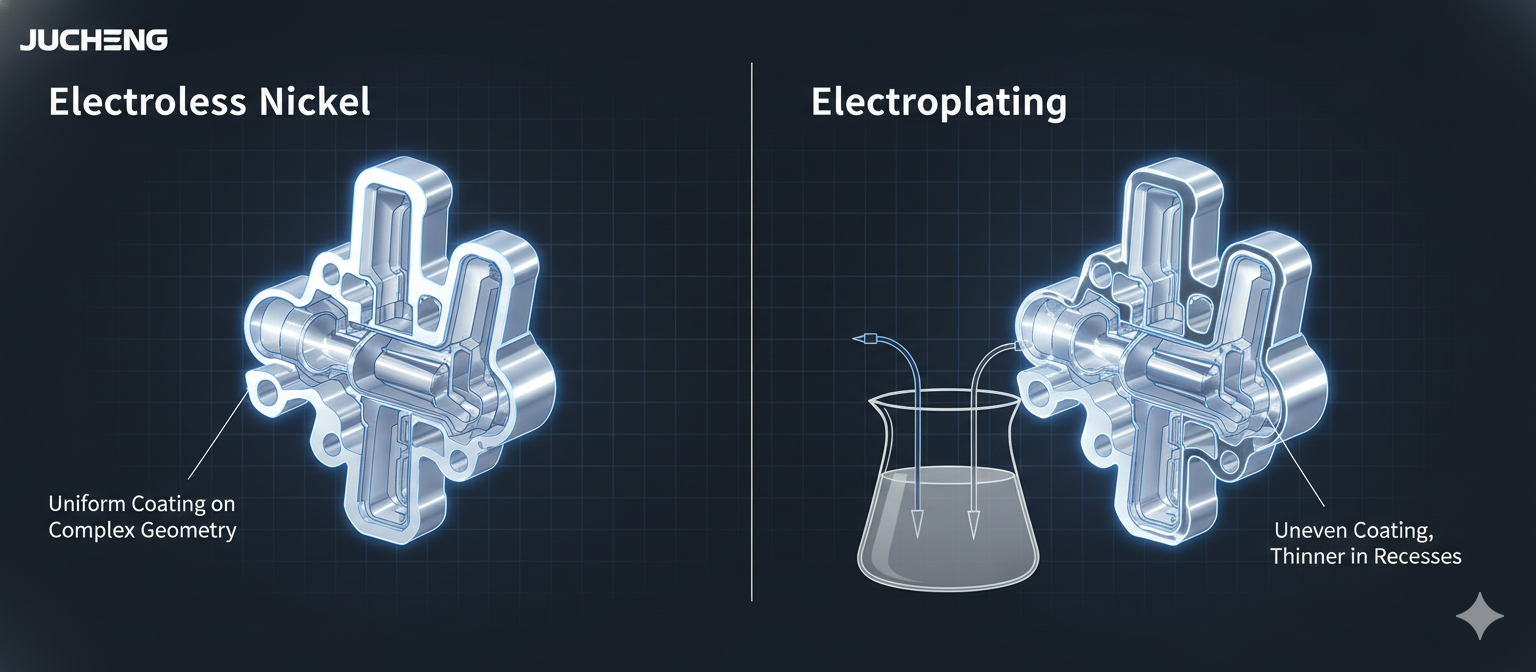
There are two main ways to apply the nickel layer.
The first is traditional Electroplating. This uses an electric current to deposit the nickel. It is a cost-effective process. It produces a bright, often decorative finish. However, the thickness can be uneven. It will be thicker on outside corners and thinner in deep holes.
The second method is Electroless Nickel Plating. This is a purely chemical process. It does not use an electric current. The part is submerged in a bath, and a chemical reaction causes the nickel to deposit onto the surface.
The huge advantage of electroless nickel is its perfect uniformity. The coating will have the exact same thickness everywhere. On flat surfaces, in sharp corners, and even deep inside complex channels. This makes it the superior choice for high-precision engineering parts.
When to Choose Nickel Plating
So, when should an engineer choose this advanced finish?
Choose nickel plating aluminum when your part will be exposed to a corrosive environment. Especially saltwater or harsh chemicals.
Choose it when your lightweight aluminum part needs a very hard, wear-resistant surface. This is for parts that slide, rub, or rotate against other components.
Choose it when you need a specific property that only nickel can provide. Anodizing is great for general protection. But when you face an extreme challenge of wear or corrosion, nickel plating is the professional engineering solution.

